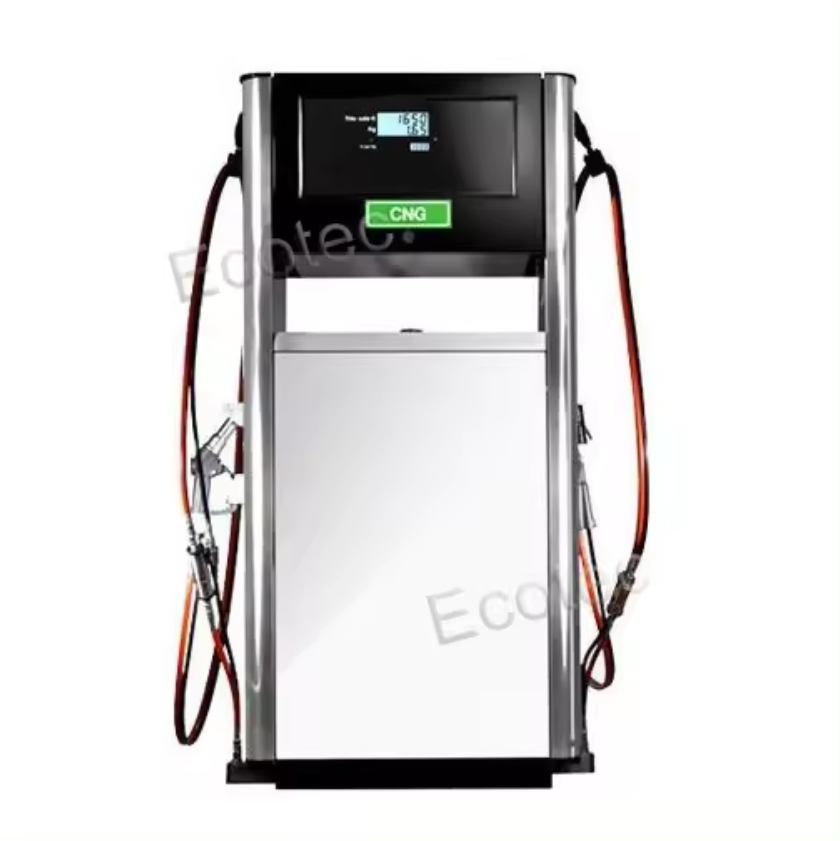
Transitioning a commercial fleet to compressed natural gas requires moving beyond the traditional gas pump mindset. You cannot simply install a tank and a hose. A CNG Station operates as a highly specialized, high-pressure gas processing and transfer facility. For fleet managers and facility directors, understanding the mechanics of a site is the first critical step. It helps you assess site viability, determine upfront capital requirements, and map out daily operational workflows. Many buyers heavily underestimate the physical footprint and the mechanical complexity of this infrastructure.
This guide breaks down the exact mechanics of these stations. We explore the critical hardware components involved in processing natural gas. You will also learn about primary configurations, specifically fast-fill versus time-fill setups. These choices directly dictate how you scale your fueling infrastructure effectively.
Key Takeaways
Processing, not just pumping: A CNG station system takes low-pressure utility gas, dries it, compresses it to high pressures (up to 3,600+ psi), and stages it for delivery.
Configuration dictates workflow: The choice between time-fill (overnight) and fast-fill (retail-style) directly impacts compressor sizing and storage requirements.
Hardware matters: The reliability of your fleet depends entirely on the correct sizing of your CNG compressor and the appropriate dispensing hardware.
Site realities: Building a CNG station requires evaluating utility gas line pressure, electrical capacity, and physical footprint for compliance and safety.
The Core Architecture of a Complete CNG Station System
Buyers often underestimate the physical footprint and mechanical complexity of compressed natural gas infrastructure. Success requires understanding the sequential flow of gas as it travels from the utility pipeline directly to the vehicle. You must treat the facility as a miniature processing plant.
The 4-Step Gas Processing Workflow
Every reliable facility follows a strict sequence to ensure gas remains safe, dry, and highly pressurized. Breaking down this workflow helps demystify the core components.
Inlet & Metering: Standard utility natural gas enters the facility at low pressure. This usually ranges from 5 to 300 psi, depending on your local utility provider. The station meters this incoming gas to measure volume for billing and internal tracking.
Gas Dryer (Moisture Removal): Removing water vapor remains a non-negotiable compliance step. Standard pipeline gas contains moisture. If left untreated, this water vapor causes severe pipeline corrosion. It also risks catastrophic vehicle engine damage when pressurized. The dryer utilizes desiccant beds to strip moisture before compression.
The CNG Compressor: This machine acts as the absolute heart of any CNG station system. It takes the dried, low-pressure gas and increases the pressure to standard storage levels. This typically means compressing the gas up to 4,500 psi. You must remember compressor sizing directly dictates overall station throughput. A robust CNG compressor guarantees your fleet fuels quickly without unexpected bottlenecks.
Cascade Storage System (For Fast-Fill): Facilities utilizing fast-fill models require a buffer. The cascade storage system relies on three banks of high-pressure storage vessels. These are categorized into low, medium, and high-pressure banks. They buffer the supply so vehicles can fill rapidly on demand without waiting for the compressor to generate pressure in real-time.
Fast-Fill vs. Time-Fill: Matching Mechanics to Fleet Operations
Different operational models require vastly different station mechanics. You cannot force a single design onto every fleet. Evaluating your operational schedule helps match the correct mechanics to your daily needs.
Time-Fill Systems (Overnight Sizing)
In a time-fill arrangement, the facility compresses gas and routes it directly to parked vehicles. This typically happens over a 6-to-8-hour period. Notably, this model skips the cascade storage system entirely.
This setup works best for return-to-base fleets. Common examples include refuse trucks, local delivery vans, and school buses parked overnight in a central yard. The main advantage involves a much lower capital expenditure on heavy storage equipment. Furthermore, you experience significantly reduced wear on the compressor due to its steady, prolonged operational cycles.
Fast-Fill Systems (Retail-Style Turnaround)
Fast-fill systems mimic traditional gasoline or diesel fueling experiences. Vehicles fuel up in just 3 to 5 minutes. They utilize pre-pressurized gas drawn directly from the cascade storage system.
Heavy-duty transit buses, public access stations, and commercial fleets operating in rolling shifts rely heavily on this model. The distinct advantage here remains minimal vehicle downtime. Drivers complete their fill-ups quickly and get back on the road immediately.
| System Configuration | Ideal Fleet Type | Typical Fill Time | Storage Requirements |
| Time-Fill System | School buses, refuse trucks | 6 to 8 hours | None (Direct to vehicle) |
| Fast-Fill System | Transit buses, shift fleets | 3 to 5 minutes | Cascade Storage (Low/Med/High) |
The Dispensing Process: A Step-by-Step Operation
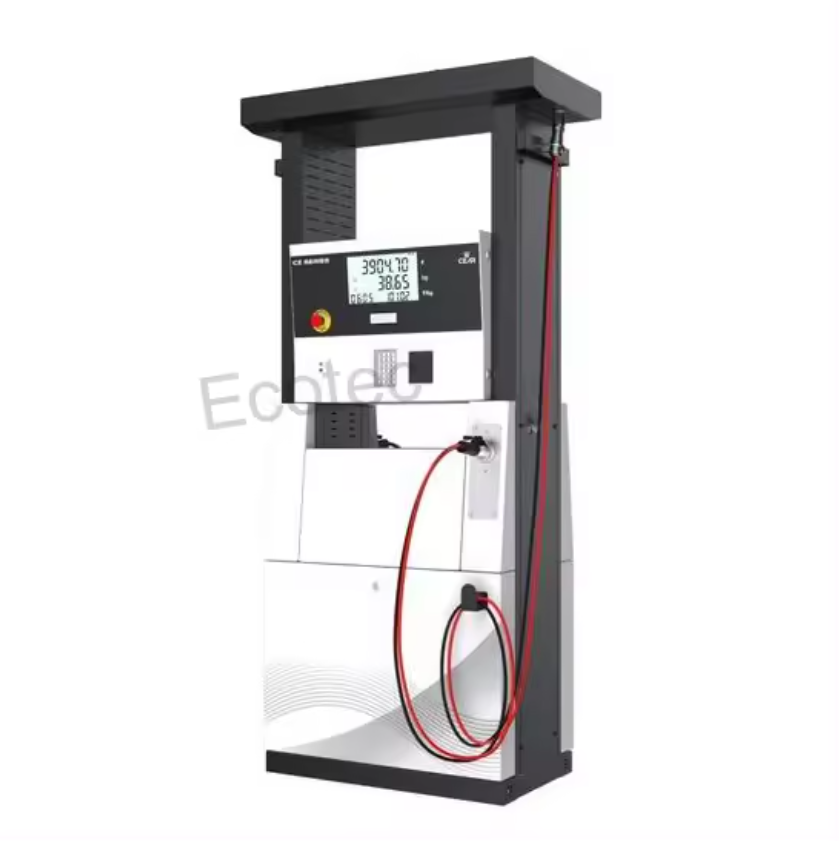
Dispenser selection highly impacts user experience, fueling speed, and overall site safety. You must understand how dispensing hardware operates to keep drivers secure and efficient.
Hardware Execution
The dispenser unit houses incredibly precise components. It relies on Coriolis mass flow meters to accurately measure the gas entering the vehicle tank. Sequencing valves manage the flow from different storage banks to maintain high pressure. Additionally, temperature compensation software regulates the flow rate because natural gas expands when heated.
Operators frequently utilize a standard single-nozzle CNG dispenser for controlled, reliable fueling. These specific models work perfectly on smaller fast-fill sites or within dedicated commercial fleet lanes. They deliver consistent pressure and robust safety features without unnecessary operational complexity.
The User-Level Steps
Drivers follow a rigid safety sequence when utilizing the dispenser. This step-by-step process prevents leaks and ensures maximum tank capacity.
Grounding and Connection: The driver attaches the hose using a secure, locked-on NGV1 or NGV2 receptacle connection. This creates a mechanical lock. The system will not dispense gas until it verifies a completely sealed connection.
Pressure Equalization: Once activated, the sequencing valves take over. They draw from the low-pressure storage bank first. As the vehicle tank fills and pressure equalizes, the valves automatically switch to the medium-pressure bank. Finally, they draw from the high-pressure bank. This sequential method maximizes storage extraction efficiency.
Disconnection & Purge: When the vehicle tank reaches exactly 3,600 psi (adjusted for ambient temperature), the system halts. The hardware then safely vents the residual high-pressure gas trapped inside the nozzle line. Only after this safe purge can the driver disconnect the receptacle.
Infrastructure Flexibility: Scaling with Mobile CNG Dispensers
Not all operations are ready for permanent, heavy-civil station construction. Some companies require interim fueling while undergoing massive facility upgrades. You need scalable, flexible options to bridge these physical gaps.
The Role of Mobile Solutions
A mobile CNG dispenser provides an immediate, deployable fueling asset. These units consist of trailer-mounted systems integrating both high-pressure storage tubes and standard dispensing hardware into one chassis. You can move them wherever they are needed.
They serve several unique use cases. Fleets facing temporary relocation rely on them heavily. They also allow facility directors to run pilot tests on a natural gas rollout before committing millions in fixed infrastructure capital. Furthermore, they act as brilliant emergency backup fueling resources if a primary pipeline goes down.
However, you must consider their limitations. Mobile solutions require "mother-daughter" station operations. A permanent "mother" station must compress the gas into tube trailers. Trucks then haul this gas to the "daughter" mobile dispenser. This hauling logistics chain inherently creates a higher per-GGE (Gasoline Gallon Equivalent) operational cost compared to direct pipeline-connected stations.
4 Critical Dimensions for Evaluating Your CNG Station Build
Transitioning from merely understanding the mechanics to actual project planning requires rigorous site evaluation. You must review four fundamental dimensions before breaking ground.
Utility Line Pressure
Assess exactly what the local gas company can realistically deliver to your property line. You need to verify their actual inlet pressures. Lower inlet pressures require you to purchase larger, more expensive compressors to achieve the final 3,600+ psi vehicle fill. A high-pressure utility line drastically reduces your upfront compressor investment.
Electrical Grid Capacity
Industrial-scale compressor motors demand massive amounts of three-phase power. You cannot run these on standard commercial electrical panels. Carefully evaluate the hidden costs of utility electrical upgrades. Sometimes, delivering enough electricity requires installing a dedicated substation. You must incorporate these potential grid upgrades into your earliest planning phases.
Footprint & Setback Compliance
Building a facility involves strict regulatory compliance. You must heavily reference NFPA 52 (Vehicular Natural Gas Fuel Systems Code). This code mandates that high-pressure storage banks and large compressors maintain specific physical distances from property lines, public sidewalks, and adjacent buildings. You might have a large lot, but restrictive setbacks could drastically shrink your usable construction footprint.
Peak Flow Sizing (Throughput)
Never size your facility based strictly on a daily average volume. You must evaluate total fleet GGE demand during your absolute tightest fueling window. For example, if fifty trucks return at 5:00 PM and need immediate turnarounds, your peak flow demand is massive. Under-sizing leads directly to severe fleet delays. Conversely, over-sizing wastes valuable capital on oversized equipment.
Conclusion
A well-designed natural gas fueling facility constantly balances inlet utility realities with specific fleet turnaround requirements.
The physical mechanics—from the initial dryer and compressor all the way to the dispenser nozzle—must operate as one unified, seamless system.
Your choice between fast-fill and time-fill setups dictates the entire hardware profile of your site.
Regulatory setbacks and electrical grid capacities represent the biggest hidden hurdles in site planning.
Next-Step Action: We strongly recommend initiating a comprehensive site feasibility audit and an official utility pressure check. Secure these details before engaging in heavy engineering design or equipment procurement.
FAQ
Q: How much pressure does a standard CNG station compressor generate?
A: A standard station compressor typically boosts pipeline gas up to 4,500 psi for on-site cascade storage. This high storage pressure ensures the dispenser can deliver a final, temperature-compensated fill of 3,600 psi directly into the vehicle's onboard tanks, overcoming flow resistance.
Q: Do I need a fast-fill station if my fleet parks overnight?
A: No. If your fleet parks overnight in a central yard, a time-fill system is financially and mechanically superior. It eliminates the need for expensive high-pressure cascade storage banks and allows the compressor to run steadily overnight, significantly reducing equipment wear.
Q: What are the routine maintenance requirements for a CNG station system?
A: Routine maintenance involves strict, objective realities. Operators must regularly perform compressor oil changes and replace the gas dryer desiccant to prevent moisture buildup. Furthermore, technicians must conduct routine leak-check testing on all high-pressure valves, fittings, and dispenser nozzles.


