Did you know that China is rapidly transforming its transportation sector? Buses are increasingly adopting Compressed Natural Gas (CNG), while heavy trucks are turning to Liquefied Natural Gas (LNG). In this article, we’ll explore the reasons behind these choices and their impact on sustainability in China’s transport landscape.
Understanding CNG: Compressed Natural Gas
Definition and Composition of CNG
Compressed Natural Gas, or CNG, is primarily composed of methane (CH₄), a clean-burning fossil fuel. It is derived from natural gas extracted from underground deposits. To make it usable as a vehicle fuel, natural gas is compressed to less than 1% of its original volume, which allows it to be stored in high-pressure cylinders. This compression process makes CNG a practical choice for various types of vehicles, especially in urban settings where space is limited.
How CNG is Stored and Used
CNG is stored in specially designed high-pressure tanks, typically at pressures ranging from 200 to 250 bar (about 2,900 to 3,600 psi). These tanks are robust and designed to withstand the high pressures involved. When a CNG vehicle needs fuel, the gas is released from these tanks, mixed with air, and then ignited in the engine's combustion chamber.
Refueling a CNG vehicle is relatively straightforward. At fueling stations, natural gas is compressed and dispensed into the vehicle's storage tanks. The entire process usually takes about 4 to 5 minutes, making it comparable to traditional gasoline or diesel refueling times.
Advantages of CNG for Buses
CNG offers several advantages, making it a popular choice for public transportation buses:
Cost-Effectiveness: CNG is generally cheaper than diesel fuel. This price difference translates to significant savings for transit agencies over time, especially given the rising costs of diesel.
Environmental Benefits: CNG buses emit lower levels of harmful pollutants compared to diesel buses. They produce fewer greenhouse gases, nitrogen oxides, and particulate matter, contributing to cleaner air in urban areas.
Noise Reduction: CNG engines operate more quietly than their diesel counterparts. This can lead to a more pleasant experience for passengers and residents in areas where buses operate.
Safety: CNG tanks are designed to be robust and secure. In the event of an accident, they are less likely to explode compared to traditional fuel tanks. Additionally, CNG is non-toxic and lighter than air, reducing the risk of harmful vapors accumulating.
Performance: CNG engines can provide comparable performance to diesel engines, making them suitable for the demands of public transit systems.
In summary, CNG is a viable alternative fuel for buses, offering economic, environmental, and operational benefits. Its adoption in public transportation is a step towards more sustainable urban mobility.
Tip: For fleet operators considering a switch to CNG, evaluating local refueling infrastructure can help ensure smooth transitions and operational efficiency.
Exploring LNG: Liquefied Natural Gas
Definition and Process of LNG
Liquefied Natural Gas (LNG) is natural gas that has been cooled to an extremely low temperature, approximately -162 degrees Celsius (-260 degrees Fahrenheit). This cooling process transforms the gas into a liquid state, reducing its volume by about 600 times compared to its gaseous form. This significant reduction in volume makes LNG an efficient choice for storage and transport, especially over long distances where pipelines are not feasible.
The transformation from gas to liquid involves a process called liquefaction, where natural gas is purified to remove impurities like water, carbon dioxide, and sulfur compounds. Once liquefied, LNG is stored in specially designed cryogenic tanks that maintain its low temperature, preventing it from reverting to gas. This process is crucial for ensuring the purity and safety of LNG, making it a more favorable option for heavy-duty applications like long-haul trucking.
Storage and Transportation of LNG
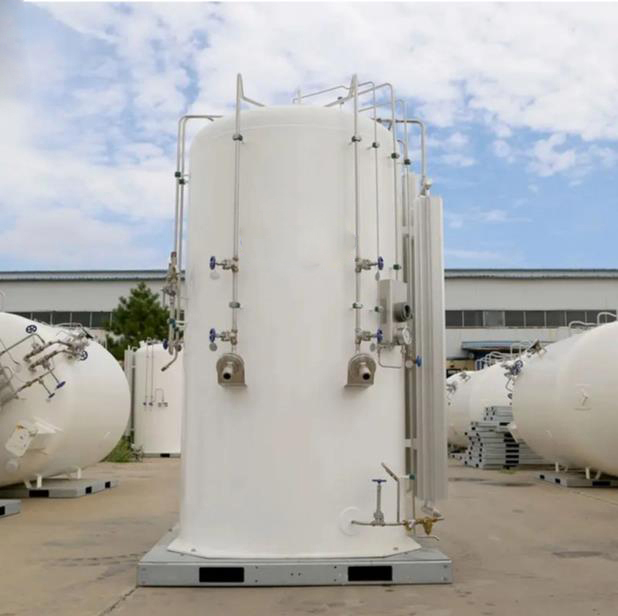
LNG is stored in double-walled, insulated tanks to maintain the low temperatures required. The outer wall protects against heat transfer, while the inner wall contains the liquefied gas. These tanks can be found at LNG refueling stations, which are increasingly being developed to support the growing demand for LNG in transportation.
Transportation of LNG typically occurs via specialized trucks or ships equipped with cryogenic tanks. This method allows for the safe and efficient movement of LNG from production facilities to distribution points. The infrastructure for LNG transportation is expanding, with more refueling stations being established globally, particularly in regions like China, where LNG is becoming a key player in reducing emissions from heavy-duty vehicles.
Advantages of LNG for Heavy Trucks
LNG offers several advantages, making it an attractive fuel option for heavy trucks:
Higher Energy Density: LNG has a higher energy density than CNG, allowing trucks to travel longer distances without needing to refuel. This is particularly beneficial for long-haul trucking, where minimizing stops is critical for efficiency.
Cost-Effectiveness: The cost of LNG is often lower than diesel, especially when considering the price fluctuations of traditional fuels. This can lead to significant savings for fleet operators over time.
Lower Emissions: LNG combustion produces fewer greenhouse gases and pollutants compared to diesel. This makes it a cleaner alternative, helping to meet environmental regulations and improve air quality.
Faster Refueling: Refueling LNG trucks can be quicker than CNG due to the nature of the liquid fuel. LNG can be dispensed rapidly, similar to diesel refueling, which minimizes downtime for drivers and fleets.
Technological Advancements: Ongoing improvements in LNG technology are making it safer and more efficient. Innovations in storage and transport are helping to address challenges related to methane leakage and emissions.
Key Differences Between CNG and LNG
State of Matter: Gas vs. Liquid
One of the most fundamental differences between Compressed Natural Gas (CNG) and Liquefied Natural Gas (LNG) lies in their physical states. CNG is stored as a gas, while LNG is a cryogenic liquid. This distinction affects how each is handled, stored, and transported.
CNG is compressed to less than 1% of its original volume, allowing it to be stored in high-pressure cylinders. These cylinders are robust, typically holding gas at pressures between 200 to 250 bar (2,900 to 3,600 psi). The gaseous state of CNG means it requires more space for storage, which can be a limiting factor for heavy-duty vehicles.
In contrast, LNG is natural gas cooled to around -162 degrees Celsius (-260 degrees Fahrenheit), turning it into a liquid. This process reduces its volume by about 600 times compared to its gaseous state. The liquid form allows for higher energy density, making LNG more suitable for long-haul transportation where space and weight are critical.
Energy Density and Storage Capacity
Energy density is a crucial consideration when comparing CNG and LNG. LNG’s energy density is significantly higher than that of CNG. This means LNG can store more energy in a smaller volume, allowing vehicles to travel longer distances without needing to refuel. For example, a heavy-duty truck fueled by LNG can easily cover over 1,000 kilometers on a single tank, making it ideal for long-haul routes.
On the other hand, CNG has a lower energy density, which limits the range of vehicles that use it. A typical CNG truck may have a range of around 500 kilometers. This makes CNG more suitable for urban or regional transport, where shorter distances are the norm.
Cost Implications for Transport
When it comes to costs, both CNG and LNG have their advantages and disadvantages. CNG is generally less expensive than LNG due to lower production and storage costs. However, the lower energy density of CNG means that vehicles may need to refuel more frequently, which can increase operational costs over time.
LNG, while often more expensive to produce and store, can be more economical for long-distance transport due to its higher energy density. This allows for fewer refueling stops, which can save time and reduce downtime for fleet operators.
Environmental Impact of CNG and LNG
Lower Emissions Compared to Diesel
Both Compressed Natural Gas (CNG) and Liquefied Natural Gas (LNG) are recognized for their lower emissions when compared to traditional diesel fuels. When CNG is burned in vehicles, it produces significantly fewer greenhouse gases, such as carbon dioxide (CO₂), and harmful pollutants, including nitrogen oxides (NOₓ) and particulate matter (PM). For instance, studies show that CNG vehicles can emit up to 30% less CO₂ than their diesel counterparts. This reduction is crucial in urban areas, where air quality is a growing concern.
LNG also offers environmental benefits. It burns cleaner than diesel, resulting in lower emissions of CO₂, NOₓ, and sulfur oxides (SOₓ). The use of LNG in heavy-duty trucks can lead to a reduction of up to 20% in greenhouse gas emissions compared to diesel. This is particularly important as countries strive to meet stringent air quality regulations and reduce their overall carbon footprints.
Potential for Bio-CNG and Bio-LNG
An exciting aspect of CNG and LNG is their potential to be produced from renewable sources. Bio-CNG and Bio-LNG are derived from organic materials, such as agricultural waste or food scraps, through a process called anaerobic digestion. This means that instead of relying solely on fossil fuels, we can harness waste products to create cleaner energy solutions.
Using biofuels helps close the carbon loop. The carbon dioxide emitted when these biofuels are burned is roughly equal to the amount absorbed by the plants during their growth. This results in a significantly lower net carbon footprint compared to fossil fuels. As technology advances, the production and use of bio-CNG and Bio-LNG are expected to grow, further enhancing the sustainability of natural gas as a transportation fuel.
Lifecycle Analysis of CNG and LNG
When evaluating the environmental impact of CNG and LNG, it’s essential to consider the entire lifecycle of these fuels—from extraction to combustion. A lifecycle analysis examines the emissions produced at each stage, including extraction, processing, transportation, and usage.
For CNG, the extraction process can result in methane leaks, a potent greenhouse gas. However, improvements in extraction techniques and tighter regulations on methane emissions can mitigate these impacts.
In the case of LNG, the liquefaction process requires significant energy, which can contribute to its overall carbon footprint. Nevertheless, as the energy mix for liquefaction shifts toward renewable sources, the environmental benefits of LNG will continue to improve.
Overall, both CNG and LNG present viable alternatives to diesel, offering lower emissions and the potential for renewable production. As infrastructure develops and technology improves, the environmental impact of these fuels will likely diminish further, making them increasingly attractive options for sustainable transportation.
Infrastructure Development for CNG and LNG in China
Current Infrastructure for CNG and LNG
China has made significant strides in developing infrastructure for both Compressed Natural Gas (CNG) and Liquefied Natural Gas (LNG). The rapid expansion of the natural gas network has been a cornerstone of this growth. Currently, there are thousands of CNG refueling stations across urban areas, making it relatively easy for buses and smaller vehicles to access fuel. CNG stations are often strategically located to serve public transportation routes effectively, ensuring minimal downtime for buses that rely on this fuel.
On the other hand, LNG infrastructure is still evolving. While LNG refueling stations are fewer in number, they are increasingly being established along major freight routes to support heavy-duty trucks. These stations are designed to accommodate the specific needs of LNG, including cryogenic storage and specialized dispensing equipment. Despite the current limitations in the number of LNG stations, the government is prioritizing their development to facilitate the transition from diesel to cleaner alternatives.
Government Incentives and Regulations
The Chinese government has implemented various incentives and regulations to promote the adoption of CNG and LNG. These measures aim to reduce air pollution and greenhouse gas emissions from the transportation sector. For instance, cities are introducing restrictions on diesel vehicles, particularly in urban areas, while offering subsidies for CNG and LNG vehicles. This creates a favorable environment for fleet operators to transition to cleaner fuels.
Additionally, regulations are being introduced to encourage the establishment of LNG refueling stations. The government is actively investing in infrastructure projects and providing financial support to companies willing to develop LNG facilities. This includes grants, tax breaks, and streamlined permitting processes, which collectively aim to accelerate the deployment of LNG infrastructure across the country.
Future Prospects for Expansion
The future of CNG and LNG infrastructure in China looks promising. As the demand for cleaner transportation fuels continues to rise, the government is expected to increase investments in both CNG and LNG refueling stations. Plans are underway to expand the network of LNG stations along key transport corridors, facilitating long-haul trucking operations.
Moreover, advancements in technology are likely to enhance the efficiency and safety of both CNG and LNG fueling processes. Innovations such as automated refueling systems and improved storage solutions will make it easier for fleet operators to adopt these fuels.
As public awareness of environmental issues grows, the shift toward CNG and LNG will likely gain momentum. This transition will not only help reduce emissions but also support China's broader energy strategy, which aims to diversify the energy mix and reduce reliance on coal.
Conclusion
Buses in China primarily use Compressed Natural Gas (CNG) due to its cost-effectiveness and environmental benefits. CNG reduces emissions and noise, making it ideal for urban transport. In contrast, heavy trucks utilize Liquefied Natural Gas (LNG) for its higher energy density and longer range, perfect for long-haul journeys. As infrastructure develops, both fuels will play a crucial role in sustainable transportation. Companies like Ecotecoffer innovative solutions to enhance the adoption of CNG and LNG, providing significant value to fleet operators.
FAQ
Q: What is the difference between CNG and LNG?
A: CNG, or Compressed Natural Gas, is stored as a gas, while LNG, or Liquefied Natural Gas, is stored as a cryogenic liquid, allowing for higher energy density and longer travel distances for heavy trucks.
Q: Why do buses in China use CNG?
A: Buses in China use CNG due to its cost-effectiveness, lower emissions, and noise reduction benefits, making it ideal for urban public transportation.
Q: How do CNG and LNG compare in terms of emissions?
A: Both CNG and LNG produce fewer greenhouse gases compared to diesel, but LNG typically has a lower emission profile for heavy-duty applications.
Q: What are the cost implications of using CNG versus LNG?
A: CNG is generally cheaper than LNG, but LNG's higher energy density can lead to cost savings for long-haul trucking due to fewer refueling stops.
Q: What are the safety considerations for CNG and LNG?
A: Both CNG and LNG have robust safety measures, but CNG is less hazardous due to its gaseous state, while LNG requires careful handling due to its cryogenic nature.
Zhejiang Ecotec Energy Equipment Co., Ltd. is a professional manufacturer of gas station equipment, can offer customer complete solution from design to after-sales service with good price and quality.