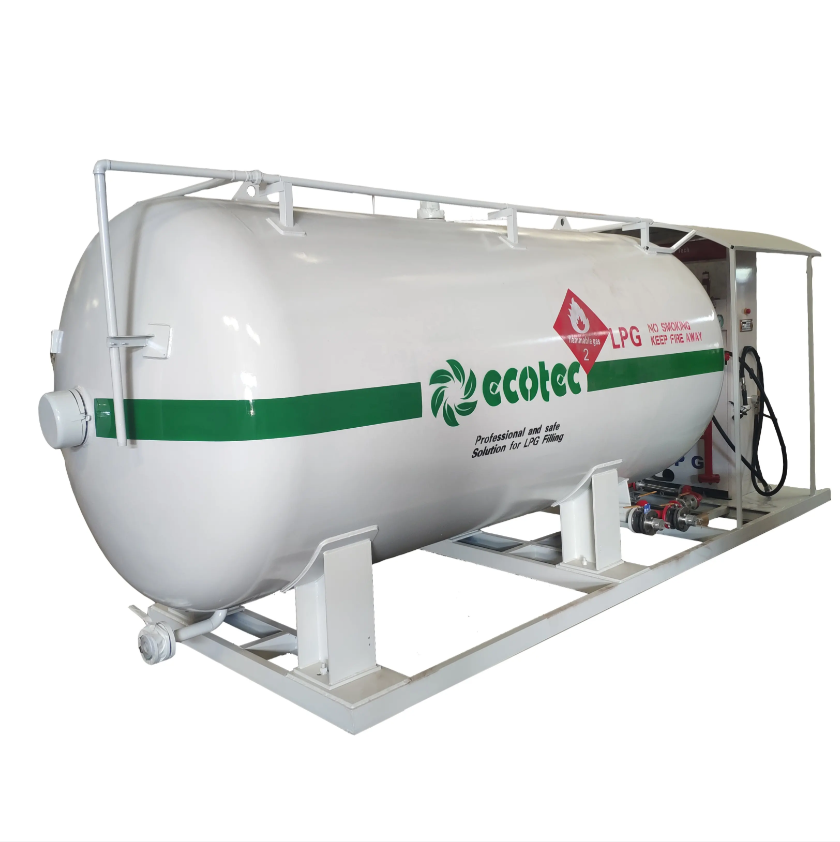
Handling liquefied petroleum gas involves extreme high-stakes operations. Safety hazards, stringent regulatory environments, and narrow operational margins dominate this sector. You must navigate these complexities daily.
The equipment selection process requires a delicate balance. You need to maximize throughput efficiency while maintaining uncompromising safety compliance. Even minor inefficiencies can compound into significant revenue losses or dangerous operational incidents.
This article provides facility operators and engineers an evidence-based framework. We will help you evaluate, shortlist, and procure the right infrastructure for your specific filling application. You will learn how to align core components with site constraints and strict metrology standards.
Key Takeaways
Targeted equipment selection minimizes product loss (shrinkage) and prevents regulatory fines associated with overfilling.
Vehicle autogas stations and cylinder filling plants require distinct metering and delivery systems, though they share common backend storage and compression needs.
Evaluating components like an LPG gas dispenser or filling scale must prioritize volumetric accuracy, hazardous area certifications (e.g., ATEX, IECEx), and software integration capabilities.
Defining Success Criteria for LPG Infrastructure
You cannot purchase LPG Equipment based solely on brochure specifications. A successful procurement strategy starts by clearly defining your operational baseline. This requires a hard look at how your facility balances speed against absolute precision.
Throughput vs. Precision
Fast filling times keep customers moving and production lines active. However, speed often threatens legal metrology requirements. Billing accuracy demands strict adherence to volumetric or mass measurements. If your flow rates outpace your meter’s capability, you risk product giveaway. Over time, this shrinkage destroys profit margins. Conversely, under-delivering triggers severe regulatory fines. You must select equipment engineered to handle your peak flow rates without sacrificing measurement fidelity.
Site-Specific Constraints
Every facility presents unique physical challenges. Before looking at equipment catalogs, map out your site constraints. Ask yourself the following questions:
How much physical footprint is actually available for new skids?
Do ambient temperature extremes affect vapor pressure at your location?
Are existing storage tank configurations compatible with modern pump setups?
Failing to account for these constraints leads to expensive onsite modifications. High ambient temperatures, for example, directly impact pump cavitation risks. You must factor this into your initial design criteria.
Regulatory Compliance
Baseline safety standards dictate everything else. You should reference global benchmarks like WLPGA (World Liquid Gas Association) guidelines alongside local occupational health codes. Treat these standards as an uncompromising filter. If a piece of equipment lacks the requisite certifications, you must eliminate it from your shortlist immediately. Technical evaluations only begin after verifying complete regulatory alignment.
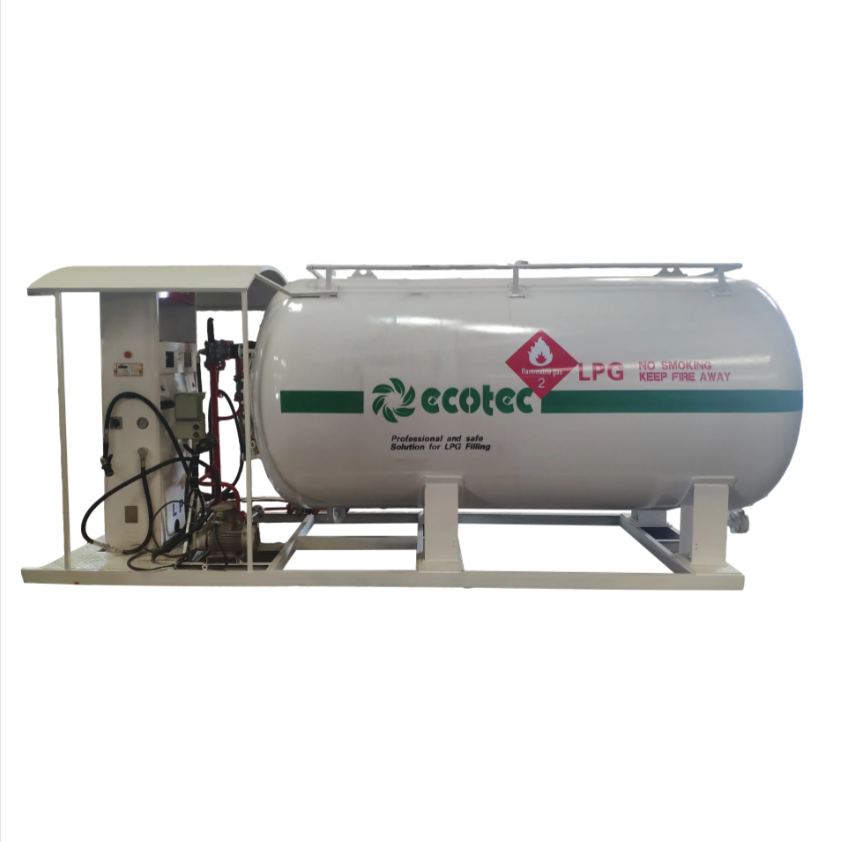
Evaluating Core LPG Equipment by Application
Different applications demand specialized technology. Autogas stations function differently than industrial cylinder plants. Understanding these nuances ensures you invest in the correct mechanical and electronic frameworks.
Selecting an LPG Gas Dispenser for Vehicle Autogas
Evaluating an LPG gas dispenser requires a focus on metering technology and user safety. The debate typically centers on Coriolis mass flow meters versus traditional piston meters. Coriolis meters offer exceptional accuracy because they measure mass directly. They eliminate temperature-related volume variations. They also lack moving parts, which vastly extends their longevity. Piston meters cost less upfront but require more frequent calibration.
User interface and software integration play equally critical roles. Your dispenser must communicate seamlessly with existing POS (Point of Sale) systems. Fleet card readers and transaction data security protocols must align with your payment gateways. Customers expect a frictionless transaction experience.
Safety mechanisms remain non-negotiable for autogas environments. You must ensure the dispenser includes high-quality breakaway couplings. These prevent catastrophic leaks if a driver pulls away while connected. Dead-man switches ensure the operator remains engaged during the entire fill. Automatic pressure equalization systems protect both the vehicle tank and the station infrastructure from sudden pressure spikes.
Specifying an LPG Filling Scale for Cylinder Plants
Cylinder filling operations depend heavily on exact weight measurements. Choosing the right LPG filling scale involves assessing your daily volume. Low-volume plants often succeed with manual or semi-automatic scales. High-volume operations require fully automatic carousel systems. Carousels maintain continuous motion, allowing operators to achieve massive daily throughput.
Precision metrics dictate the safety and legality of your product. Automatic tare weight entry removes human error from the equation. When comparing load cells, electronic load cells generally outperform mechanical ones in speed and data integration. The most critical feature is the automatic shut-off mechanism. This valve must close instantly upon reaching the target weight to prevent dangerous overfilling.
Industrial cylinder plants present harsh environments. Heavy physical impacts happen constantly. Workers drop steel cylinders. Forklifts cause vibrations. You must source scales built with ruggedized platforms. Durability ensures your measurement accuracy survives daily physical abuse.
Sourcing the Right Pump and LPG Compressor
Fluid transfer serves as the beating heart of any LPG facility. Utilizing an LPG compressor allows you to recover residual gas efficiently. Compressors move vapor to create pressure differentials. This action pushes liquid out of railcars or delivery trucks. Vapor recovery improves your overall yield and prevents harmful environmental venting.
Pump selection usually comes down to vane pumps versus regenerative turbine pumps. Vane pumps handle higher flow rates at moderate differential pressures. They work exceptionally well for bulk transfer. Regenerative turbine pumps excel at creating high differential pressures at lower flow rates. This makes them ideal for feeding autogas dispensers.
Risk mitigation strategies extend the life of your fluid transfer system. Cavitation poses the biggest threat to pumps. When liquid gas vaporizes inside the pump casing, the collapsing bubbles destroy metal impellers. Prevent cavitation by sizing bypass valves correctly. Ensure your piping layout provides adequate Net Positive Suction Head (NPSH).
Safety Certifications and System Interoperability
Stand-alone equipment does not exist in modern gas facilities. Every component must communicate within a unified safety ecosystem. Interoperability saves lives during emergency events.
Hazardous Area Compliance
Liquid petroleum gas operations fall under strict hazardous area classifications. You must verify explosion-proof ratings for every electronic component. This includes wiring, switches, and digital displays. Familiarize yourself with ATEX (in Europe) or IECEx (global) standards. Never accept a manufacturer's verbal assurance. Demand physical certification documents for your safety file.
Emergency Response Integration
Individual equipment must tie into your overarching Emergency Shutdown (ESD) system. If a leak occurs at the dispenser, the backend pump must shut down simultaneously. Valves must fail-closed. This interconnected web isolates the gas source instantly. Test these integration points rigorously during commissioning.
Software and Telematics
Modern infrastructure relies on centralized monitoring. Telematics platforms aggregate data from scales, dispensers, and pumps. This software provides real-time leak detection. It sends predictive maintenance alerts before a mechanical seal fails. Inventory management becomes automated, ensuring you never run dry unexpectedly.
Chart: Core Infrastructure Safety Requirements
| Equipment Type | Primary Safety Mechanism | Key Integration Standard |
| Autogas Dispenser | Breakaway coupling, dead-man switch | POS / Fleet card protocols |
| Filling Scale | Instant auto shut-off valve | ESD system tie-in |
| Pump / Compressor | Appropriately sized bypass valves | Vapor recovery logic |
Implementation Risks and Rollout Considerations
Procuring the best hardware solves only half the puzzle. Implementation introduces a new set of vulnerabilities. Poor installation practices can ruin premium equipment.
Installation Realities
Facility upgrades inevitably cause downtime. You must manage this reality proactively. Schedule installations during low-demand seasons or night shifts. More importantly, strictly utilize specialized, certified installation contractors. Standard plumbers or electricians lack the specific expertise required for high-pressure gas systems. Improper pipe threading or faulty grounding can lead to catastrophic failures.
Calibration and Testing
You cannot simply turn on the power and start selling gas. Third-party metrology certification must occur prior to commercial operation. Independent inspectors will verify your meters against calibrated provers. They will seal the calibration mechanisms to prevent tampering. Plan for this testing phase in your project timeline. A failed initial inspection delays your grand opening significantly.
Operator Training
New automated systems introduce a steep learning curve. The best interface remains useless if your staff avoids using it. Rollout success hinges on vendor-provided SOPs (Standard Operating Procedures). Follow a structured training approach:
Require vendors to conduct hands-on site training during commissioning.
Develop quick-reference guide cards for daily operations.
Establish a routine schedule for emergency drill simulations.
Cross-train multiple employees to prevent knowledge silos.
Empowered operators recognize early warning signs of equipment fatigue. They become your first line of defense against unexpected breakdowns.
Vendor Shortlisting and Procurement Logic
Your relationship with an equipment manufacturer extends long past the purchase order. Evaluating the vendor holds as much importance as evaluating the metal itself.
Assessing Vendor Expertise
Examine a manufacturer's specific track record. A company producing excellent autogas technology might struggle to build durable industrial cylinder carousels. Request case studies relevant to your exact application. Speak with their past clients. Ask those references about failure rates and delivery delays.
After-Sales Support
Equipment breaks. When it does, your facility stops generating revenue. Prioritize vendors offering robust local spare parts inventory. Shipping a proprietary valve from overseas takes weeks. You need access to parts within hours. Scrutinize the warranty terms carefully. Demand guaranteed service level agreements (SLAs) for maintenance dispatch times. A rapid response capability separates true partners from mere suppliers.
Pilot Testing
Never commit to a plant-wide rollout based on a sales presentation. Request equipment trials whenever possible. If an onsite trial proves unfeasible, demand site visits to existing vendor installations. Watching the equipment operate in a real-world, high-stress environment reveals flaws hidden in marketing brochures. Pilot testing protects your capital expenditure.
Conclusion
Optimal equipment selection requires looking beyond the lowest upfront price tag. You must secure reliable, compliant, and highly accurate infrastructure to protect your operational margins. Prioritize volumetric precision and rigid safety certifications above all else.
Before issuing Requests for Proposals (RFPs) to potential vendors, audit your facility. Identify your current throughput bottlenecks and document existing safety gaps. Use these findings to dictate your procurement criteria. By enforcing strict metrology standards and demanding seamless system interoperability, you will build a resilient and highly profitable gas facility.
FAQ
Q: What is the standard calibration frequency for an LPG gas dispenser?
A: Legal metrology requirements dictate calibration frequency. Typically, facilities must recalibrate dispensers every 6 to 12 months. Local jurisdiction rules and your specific throughput volume influence this timeline. High-volume stations often calibrate more frequently voluntarily. This proactive approach prevents product giveaway and ensures continuous billing accuracy.
Q: How does an LPG filling scale prevent cylinder overfilling?
A: A filling scale integrates electronic load cells with automated shut-off valves. The load cell constantly measures the cylinder's weight during the fill. The system's software calculates the target weight based on the tare weight and the gas mixture's specific gravity. Once it reaches the exact target, it triggers the pneumatic valve to snap shut instantly.
Q: When should a facility use an LPG compressor instead of a liquid pump?
A: Compressors move vapor to create pressure differentials, pushing liquid indirectly. This makes them ideal for unloading large railcars, draining delivery trucks, and performing vapor recovery. Pumps directly move the liquid phase. You use pumps for end-point dispensing, such as feeding autogas dispensers or cylinder filling carousels.


