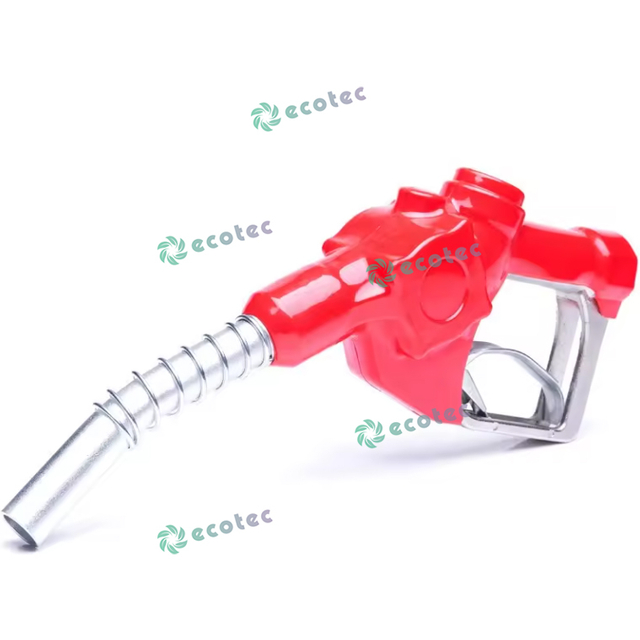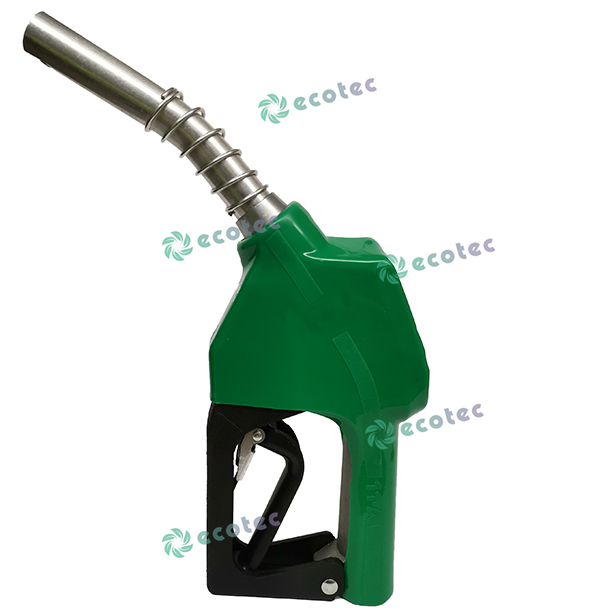
The fuel nozzle serves as the final, most critical touchpoint in any fluid transfer system. Operators often overlook this component until daily operations grind to a halt. A mismatched nozzle causes frustrating bottlenecks, dangerous fluid overflows, or premature pump failure. Selecting the correct hardware requires aligning the pump’s output capacity alongside the nozzle’s inlet size, fluid compatibility, and safety mechanisms. This precise alignment prevents catastrophic spills and protects your overall equipment investment.
This article provides a definitive framework for evaluating heavy-duty, commercial, and consumer fuel nozzles based on technical specifications. We will guide you through operational realities and essential safety accessories to ensure a seamless equipment upgrade. You will learn exactly how to match flow rates, evaluate safety mechanisms, and avoid common installation mistakes.
Key Takeaways
Match Flow to Pump Capacity: A high-flow nozzle (e.g., 30+ GPM) will not increase flow on a low-output pump and may cause the auto shut-off mechanism to fail.
Size Matters (NPT Standards): Standardizing connection sizes—typically 3/4-inch for gasoline and 1-inch for heavy-duty diesel—prevents flow restriction and connection leaks.
Auto Shut-Off is Non-Negotiable for High Flow: Utilizing the Venturi effect, automatic shut-off mechanisms prevent costly spills and regulatory violations during rapid refueling.
Accessories Drive Lifespan: Integrating a 360-degree swivel, compatible fuel hose, and breakaway valve significantly extends equipment lifespan by reducing mechanical stress.
Framing the Decision: Matching the Fuel Nozzle to Your Application
You cannot approach fuel nozzle selection using a one-size-fits-all mentality. The operational environment dictates the baseline durability requirements for your hardware. We must first distinguish between consumer transfer tanks, agricultural setups, and high-volume commercial fleet management systems.
Consumer setups typically involve sporadic use. They process lower volumes and face fewer environmental stressors. Conversely, commercial fleet management demands industrial-grade hardware. These commercial systems operate continuously. They require robust materials capable of withstanding extreme weather, rough handling, and constant pressure.
Fluid Compatibility Requirements
Different fuels possess unique chemical properties. These properties interact differently regarding internal seals and spout dimensions. Utilizing incorrect materials leads to rapid degradation and dangerous leaks. We must evaluate fluid compatibility carefully before making any hardware decisions.
Table 1: Fluid Compatibility Requirements for Nozzle Selection
| Fuel Type | Spout Sizing standard | Material & Seal Requirements | Common Operational Challenges |
| Diesel | Larger (typically 1-3/16-inch OD) | Heavy-duty aluminum; standard seals. | High flow tolerance required; prone to foaming. |
| Gasoline | Standard (13/16-inch OD) | Vapor recovery capable; anti-spark materials. | Strict regulatory compliance for vapor emissions. |
| Kerosene & Aviation | Application dependent | Specialized internal seals (e.g., Viton). | High risk of seal degradation over time. |
Diesel fuel requires larger spouts to accommodate higher flow rates. It operates under immense pressure during fleet refueling. Gasoline requires specific vapor recovery systems depending on regional regulations. It also utilizes a standard 13/16-inch spout to fit passenger vehicle receptacles perfectly. Kerosene and aviation fuels represent a unique challenge. They require specialized internal components. You must select nozzles featuring Viton seals to prevent rapid chemical degradation when handling these harsh fluids.
Manual vs. Automatic Options
Hardware selection also forces a choice between manual and automatic operation. Manual nozzles remain appropriate for gravity-fed or low-volume transfer systems. They offer simplicity and lower upfront costs. However, automatic nozzles are strictly mandatory for pressurized, high-volume pumps. Relying on a manual nozzle during a high-speed transfer introduces severe human error risks. An operator turning away for just five seconds can cause hundreds of gallons to spill.
Decoding Flow Rate (GPM) and Inlet Size Requirements
The core of hardware compatibility lies in fluid dynamics. You must evaluate a nozzle’s Maximum Flow Rate against the pump’s actual output capacity. We measure this output in Gallons Per Minute (GPM). Ignoring the GPM formula guarantees system failure.
The GPM Formula and System Harmony
A pump generates a specific fluid volume. The dispensing hardware must comfortably process this exact volume. Buying hardware rated for 40 GPM does not magically force a 15 GPM pump to work faster. The pump acts as the absolute limit. However, your dispensing hardware can easily become a restrictive bottleneck.
Standard vs. High-Flow Configurations
Industry standards divide hardware into two distinct flow categories. You must select the category matching your operational scale.
Standard Flow (10–15 GPM): This configuration proves ideal for passenger vehicles, light equipment, and standard transfer pumps. It typically utilizes a 3/4-inch National Pipe Thread (NPT) inlet. Standard flow offers precise control for smaller tanks.
High-Flow (20–30+ GPM): Commercial trucking, heavy agricultural machinery, and large fleet operations demand high-flow setups. This configuration strictly requires a 1-inch NPT inlet. It also utilizes a larger 1-3/16-inch outer diameter (OD) spout to handle the increased fluid volume.
The Risk of Mismatching Components
Mismatching flow ratings creates immediate operational hazards. Pairing a high-flow nozzle alongside a low-flow pump creates insufficient internal pressure. The automatic shut-off mechanism relies on this pressure. Consequently, the shut-off will not trigger, causing severe tank overflows.
Conversely, installing a low-flow unit onto a high-flow pump creates dangerous backpressure. The fluid hits a sudden restriction. This restriction forces pressure back down the line. It stresses internal seals and ultimately destroys the pump motor. Always align your ratings perfectly.
The Mechanics of Auto Shut-Off: Safety and Reliability
Automatic shut-off mechanisms represent an engineering marvel. They prevent costly spills and severe regulatory violations during rapid refueling operations. Understanding how they function helps operators troubleshoot daily issues on the fuel island.
How the Venturi Effect Works
The auto shut-off mechanism relies entirely on the Venturi effect. A small sensor port sits near the tip of the spout. As fluid flows through the main body, it creates a vacuum pulling air through this tiny sensor port. When fluid rising in the tank covers this sensor port, air can no longer enter. This sudden blockage changes the internal vacuum pressure drastically. The pressure shift instantly triggers a mechanical release, snapping the main valve shut. It operates using pure physics, requiring no electrical components.
Evaluating Trigger Locks
Multi-stage trigger locks offer massive utility during large-volume transfers. Commercial operators cannot physically hold a handle open while dispensing 150 gallons into a semi-truck. A 3-speed trigger lock allows hands-free operation. Operators can set the flow to low, medium, or high. This flexibility proves essential in freezing weather or during extended fleet servicing. Always ensure local safety regulations permit trigger locks, as some jurisdictions heavily restrict them for consumer applications.
Implementation Caveat: The Foaming Problem
Diesel fuel is inherently prone to foaming when agitated. This foaming creates a common operational challenge. Highly sensitive auto shut-off sensors may trigger prematurely if flow rates are too aggressive. The rising foam covers the sensor port long before the actual liquid fills the tank. If operators experience constant early shut-offs, they must evaluate the tank's neck design. Sometimes, simply utilizing a lower speed on the trigger lock reduces foaming and solves the issue entirely.
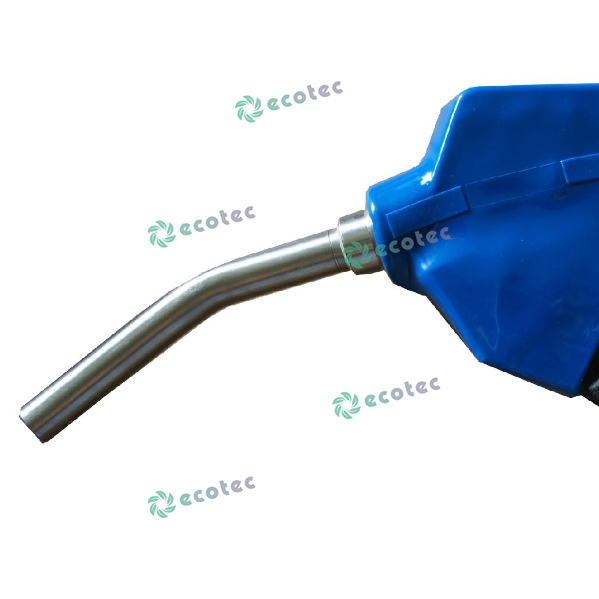
Protecting the Investment: Swivels, Hoses, and Safety Accessories
Focusing solely on the dispensing handle ignores the broader system. An industrial fluid transfer system relies heavily on its supporting accessories. These components reduce mechanical stress and protect operators from catastrophic accidents.
Relieving Mechanical Stress
Evaluating the fuel hose connection proves just as important as evaluating the nozzle itself. Kinked hoses restrict fluid dynamics and create immense backpressure. Over time, UV exposure and physical dragging degrade rubber compounds. A degraded line invites leaks. You must pair high-quality dispensing hardware alongside an equally robust, kink-resistant line.
360-Degree Swivels
A hose swivel represents a mandatory ergonomic upgrade. Heavy-duty lines remain incredibly rigid, especially in cold weather. Fighting this rigidity causes severe operator fatigue. An integrated or add-on 360-degree hose swivel improves ergonomics dramatically. It allows the operator to position the spout perfectly without wrestling the heavy line. Furthermore, a swivel absorbs rotational torque. This absorption prevents premature wear and tear on the threaded connections.
Breakaway Valves
Safety compliance requires redundant fail-safes. The drive-away scenario represents a worst-case hazard. If a vehicle drives away while still connected to the pump, the breakaway severs the connection cleanly. It acts as an intentional weak point. Upon separation, internal valves on both sides snap shut instantly. This brilliant mechanism seals the line, preventing catastrophic spills and protecting the expensive pump housing from destruction.
Storage and Protection
Environmental debris destroys internal mechanics quickly. Dust, rain, and snow inevitably find their way into unprotected spouts. Mentioning the necessity of a properly fitted nozzle boot remains crucial. This protective housing mounts directly onto the pump. It shields the spout from environmental debris when not in active use. It also keeps the sensor port clear of dirt, ensuring the auto shut-off mechanism functions perfectly during the next operation.
Shortlisting Your Hardware: A Buyer’s Checklist
You need a systematic approach to finalize your hardware selection. Guessing specifications leads to inevitable returns or system damage. Use this structured buyer's checklist to secure the perfect equipment.
Verify Pump Specifications First: You must document your current pump's maximum GPM. Next, verify the thread standard. North American systems generally use NPT (National Pipe Thread). Many international systems utilize BSPT (British Standard Pipe Taper). Mismatched threads will never seal correctly.
Determine Spout Sizing: Ensure the outer diameter (OD) of the spout fits the target machinery’s receptacle. Do not attempt to force a 1-3/16-inch diesel spout into a standard gasoline vehicle. It will not physically fit, which acts as a deliberate safety feature.
Assess Environmental Factors: Select construction materials based on extreme weather or heavy-handed operator use. An aluminum body resists corrosion and handles impact well. Polymeric trigger guards offer better thermal protection for operators working in freezing conditions.
Prioritize Verified Kits: We highly recommend purchasing full kits from verified industrial suppliers. These kits include the main handle, a compatible swivel, and a proper hose. Piecing together mismatched retail components often results in slight thread mismatches and frustrating pressure leaks.
Conclusion
Fuel nozzle selection represents a vital systems-engineering decision. It goes far beyond a localized hardware purchase. The performance of your entire transfer operation hinges on the compatibility of this final touchpoint.
You must prioritize precise flow-rate alignment to prevent system backpressure. You must also insist on reliable auto shut-off mechanisms to ensure environmental compliance and site safety. Finally, integrating proper accessories—like swivels and breakaways—mitigates long-term operational risks. Taking the time to document your pump specifications and fluid requirements upfront eliminates costly downtime. Evaluate your current fleet demands, audit your existing pump output, and upgrade your hardware systematically to ensure flawless daily operations.
FAQ
Q: Why does my automatic fuel nozzle keep shutting off early?
A: Early shut-offs usually stem from diesel foaming, severe backpressure, or restrictive tank necks. If you pump fluid too quickly into a narrow tank, it splashes back or creates foam. This rising foam prematurely covers the sensor port, tricking the Venturi mechanism into shutting down. Try lowering your dispensing speed.
Q: Can I use a high-flow diesel nozzle on a standard gas tank?
A: No. High-flow diesel spouts feature a 1-3/16-inch outer diameter. Standard gasoline vehicle receptacles are explicitly designed smaller to prevent misfueling. The larger diesel spout will not physically fit into a standard passenger vehicle tank neck.
Q: What is the difference between 3/4-inch and 1-inch NPT connections?
A: These measurements define the standardized thread size for the inlet connection. A 3/4-inch NPT connection handles standard flow rates (typically up to 15 GPM). A 1-inch NPT connection offers a wider internal pathway, allowing high-flow operations exceeding 20 GPM without creating dangerous backpressure.
Q: Do I absolutely need a hose swivel?
A: While a system remains operational without one, a swivel proves highly beneficial. It drastically reduces operator fatigue by allowing easy positioning. Furthermore, it absorbs rotational torque, which significantly extends the lifespan of your hoses and threaded connections by reducing constant mechanical stress.