Transitioning to alternative vehicle fuels offers profound environmental and operational advantages. However, launching a facility to dispense natural gas presents unique engineering hurdles. Opening a commercial or fleet-operated facility requires more than just buying equipment out of a catalog. It demands strict alignment between utility infrastructure, vehicle demand patterns, and regulatory frameworks. A poorly planned site often leads to massive operational bottlenecks. You might face insufficient gas pressure during peak fueling hours. Conversely, over-capitalizing on massive storage capacity severely harms your project economics.
We designed this guide to help you navigate these exact challenges efficiently. It breaks down the technical requirements and equipment evaluation criteria necessary for project success. You will explore critical site planning phases and rigid safety compliance standards. You will also learn how to configure your operational model perfectly. We will walk you through selecting the ideal components to deploy a fully compliant, highly efficient facility.
Key Takeaways
Inlet pressure dictates viability: The natural gas pressure from your local utility line directly impacts your compressor sizing, energy costs, and overall capital expenditure.
Refueling patterns define the architecture: Choosing between time-fill, fast-fill, or a hybrid system is the baseline decision that shapes your entire equipment footprint.
Compliance is a strict prerequisite: Standardized safety distances, emergency shut-offs, and adherence to gas codes (e.g., NFPA 52 or regional equivalents) must be integrated into the initial site design.
1. Defining Your Operational Model: Time-Fill vs. Fast-Fill
The foundation of any successful gas facility begins by analyzing fleet behavior. You must accurately identify the specific refueling windows of your target vehicles. This business problem framing prevents you from over-capitalizing on unnecessary storage or excess compression power. Every fleet operates on a distinct schedule. Matching your hardware to this schedule ensures optimal efficiency and minimal waste.
Time-Fill Stations
Time-fill configurations cater specifically to return-to-base fleets. These vehicles typically park overnight in a centralized depot. Common examples include refuse trucks, local delivery vans, and school buses. Because the vehicles sit idle for many hours, the system can slowly trickle gas into their tanks. This slow process offers significant engineering advantages. You require much lower compression capacity. You also need minimal to zero expensive high-pressure ground storage.
There is an inherent trade-off to consider. Vehicles must remain completely stationary for extended hours to achieve a full tank. If your operational schedule suddenly changes, this slow fueling process can disrupt daily route deployments.
Fast-Fill Stations
Fast-fill configurations mimic the traditional gas station experience. They deliver fuel at rapid rates comparable to liquid diesel. This model serves retail applications, heavy-duty transit networks, and continuous-shift fleets perfectly. Drivers simply pull up, attach the nozzle, and fill their tanks in minutes.
This speed comes at a higher capital requirement. A fast-fill system demands robust high-pressure ground storage banks. It also requires much larger, heavy-duty compressors to constantly replenish the storage vessels. You must carefully weigh these upfront equipment requirements against your fleet's turnaround needs.
Hybrid Systems
Many modern operators choose to combine both approaches. A hybrid system serves diverse fleet profiles from a single location. You can utilize fast-fill dispensers for public retail customers during the day. Overnight, you switch the system capacity to slowly fuel your parked private fleet. This maximizes equipment utilization rates across a 24-hour cycle.
Selecting the right hardware separates a highly reliable facility from a constant maintenance nightmare. Each component must integrate seamlessly. You should evaluate every piece based on rigorous performance metrics rather than basic specifications alone.
Gas Dryers and Filtration Systems
Utility gas lines rarely deliver perfectly clean, dry fuel. Gas dryers and filtration systems remove moisture and microscopic particulate matter before the gas enters your compressor. If water vapor reaches the compression stage, it can cause severe internal corrosion or freeze-ups during expansion.
When evaluating dryers, scrutinize the desiccant capacity. You must also decide between manual and automatic regeneration methodologies. Automatic twin-tower dryers switch seamlessly between drying and regenerating cycles. This prevents facility downtime and reduces operator intervention.
The Heart of the System: Compression
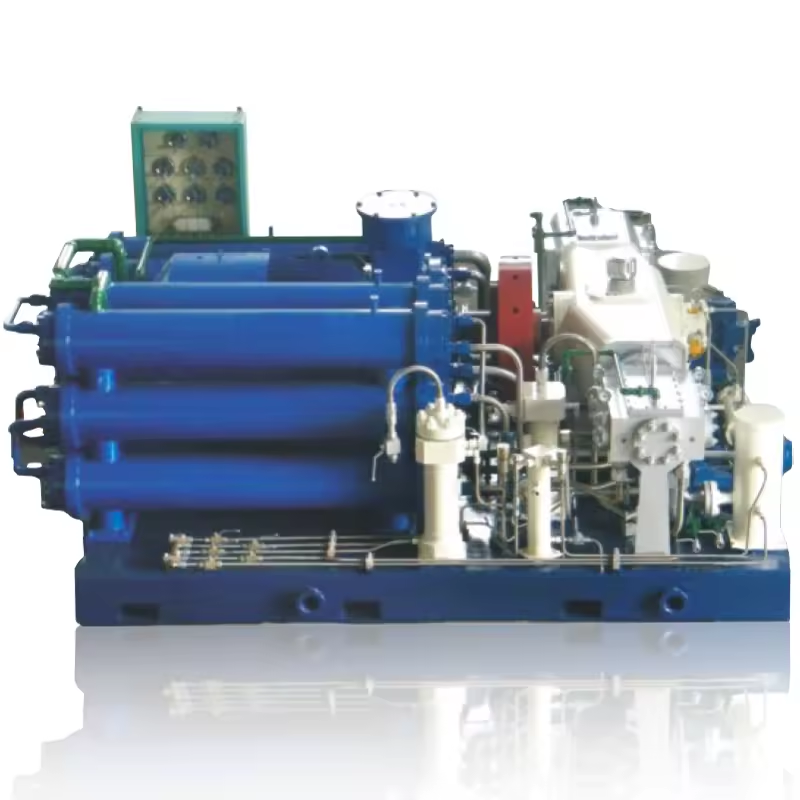
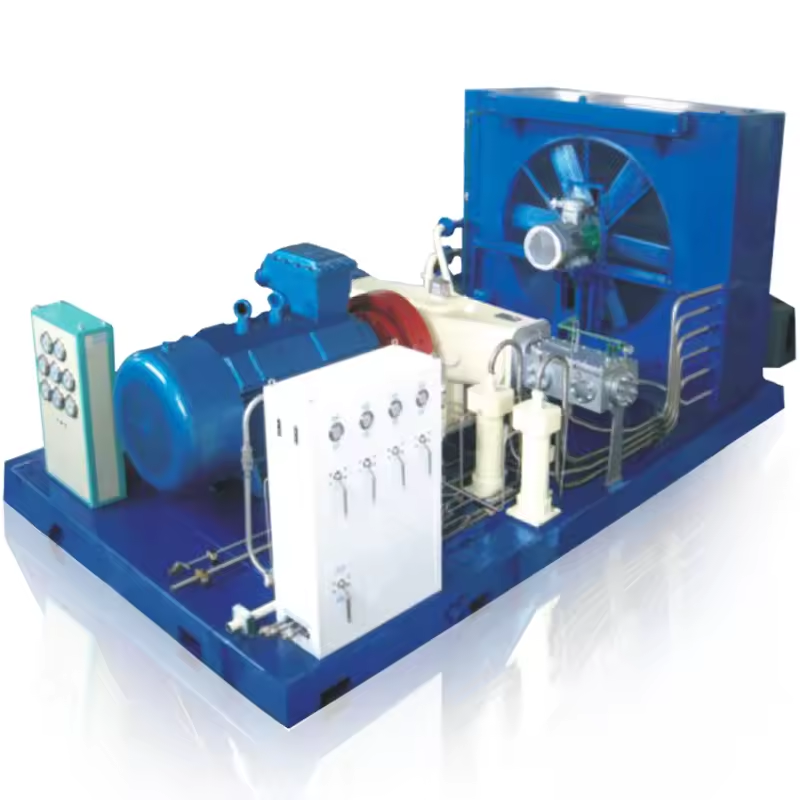
The compressor elevates the utility line pressure up to the required storage pressure. Utility lines often supply gas between 5 and 50 psi. The system must boost this pressure up to 4,500 psi for vehicle dispensing. Choosing the right CNG compressor determines your overall site capacity and efficiency.
You should evaluate compressors based on their standard cubic feet per minute (SCFM) flow rate. Inlet pressure compatibility is equally crucial. If you purchase a unit mismatched to your utility supply, it will fail repeatedly. Furthermore, consider the cooling systems. Water-cooled units handle continuous duty cycles better, while air-cooled units offer simpler installations.
High-Pressure Storage Cascades
Fast-fill operations rely entirely on high-pressure storage cascades. These systems store compressed gas in tiered pressure banks. We typically categorize them into low, medium, and high-pressure vessels. When a vehicle hooks up, a priority sequencing valve efficiently routes gas from these banks to ensure rapid dispensing.
You must ensure all vessels hold strict ASME compliance certifications. Total volume capacity must align precisely with your peak hour demand projections. If your cascade is too small, consecutive vehicles will experience dramatically slower fill times.
Dispensers and Interface Equipment
The dispenser serves as the primary user interface and metering point for vehicle refueling. A high-quality CNG filling machine guarantees accurate billing and safe operation. You must evaluate these units based on Coriolis mass flow meter accuracy. Temperature compensation algorithms are also vital. Gas density changes dramatically across different weather conditions, so precise metering is legally and commercially necessary.
To optimize your forecourt throughput, consider upgrading your dispensing hardware. Deploying a two-hose CNG dispenser allows the simultaneous fueling of two vehicles. This strategy dramatically maximizes forecourt efficiency during busy morning or evening peak hours.
Core Equipment Evaluation Matrix
| Equipment Category | Primary Function | Key Evaluation Criteria |
| Filtration & Dryers | Moisture and particulate removal | Desiccant capacity, auto-regeneration cycles |
| Compression Units | Elevates utility line pressure | SCFM output, cooling type, inlet match |
| Storage Cascades | Tiered high-pressure gas holding | ASME compliance, total volume, sequencing efficiency |
| Dispensing Units | Vehicle fueling and metering interface | Coriolis meter accuracy, temperature compensation |
3. Infrastructure Planning and Site Engineering
A well-designed CNG Station requires meticulous preliminary site engineering. Before breaking ground, you must assess both underground utility constraints and above-ground traffic flows. Overlooking these elements often leads to costly mid-project redesigns.
Utility Matrix Assessment
Your local utility provider holds the key to your project viability. You must engage them immediately to verify pipeline capacity. Obtain a guaranteed minimum inlet pressure commitment in writing. If the local grid cannot sustain your required pressure during winter months, your entire facility will underperform.
Electrical load verification is equally critical. Heavy-duty compressors demand massive initial startup power surges. You must confirm the availability of reliable 3-phase industrial power at your specific site location. Upgrading electrical service lines often adds months to your deployment timeline.
Forecourt and Traffic Flow Engineering
Site layout dictates operational safety and user experience. Follow these core engineering principles when designing the physical space:
Map Vehicle Paths: Design wide turning radiuses specifically accommodating heavy-duty Class 8 trucks or articulated buses.
Isolate Hazards: Strategically separate the hazardous compression and storage zone away from the retail dispensing forecourt.
Plan for Queues: Ensure waiting vehicles do not block public roadways or obstruct site exit paths during peak hours.
Protect Equipment: Install heavy-duty concrete bollards around all highly pressurized ground components.
Canopy and Structural Requirements
Modern commercial facilities require specialized canopies. You must size structural clearances to accommodate extremely tall commercial vehicles safely. Standard retail gas station canopies sit far too low for natural gas refuse trucks.
Additionally, structural engineering must account for the physical properties of the fuel. Natural gas is lighter than air. It will pool inside enclosed or recessed ceiling structures during a leak. You must integrate required ventilation pathways. Always install overhead gas detection sensors wired directly to your emergency shutdown panels.
4. Safety, Compliance, and Industry Standards
Handling pressurized volatile gases involves inherent risks. Adherence to strict regulatory frameworks protects your personnel, your customers, and your capital investment. Safety must drive every single site planning decision from day one.
Navigating Setbacks and Clearances
Every jurisdiction enforces mandatory minimum safety distances. We call these setbacks. You must understand the mandatory distances separating your compression equipment from property lines. Similar clearances apply to overhead power lines, public rights-of-way, and occupied buildings. Failing to map these setbacks accurately during the blueprint phase will result in rejected permits.
Fire and Emergency Mitigation
A robust emergency response infrastructure acts as your last line of defense. You must place Emergency Shutdown (ESD) buttons at highly visible, easily accessible intervals across the site. Striking an ESD button must immediately halt compression and sever the gas supply.
Further mitigation requires automatic isolation valves. These valves partition the high-pressure system into smaller, manageable sections during an incident. You must also implement safe blowdown systems to vent trapped gas safely. Optical flame detectors provide rapid automated responses before human operators even notice a fire hazard.
Regulatory Frameworks
You cannot legally sell fuel without aligning with local weights and measures authorities. They will rigorously test your dispensers to ensure dispensing accuracy protects consumers. If your Coriolis meters drift, you face severe fines and immediate operational shutdowns.
Internationally recognized fire codes govern all compressed natural gas infrastructure. In North America, NFPA 52 serves as the ultimate authoritative standard. Regional equivalents exist globally. Your engineering firm must explicitly reference these specific codes within every blueprint submission.
5. Vendor Evaluation and Procurement Strategy
The marketplace offers numerous equipment suppliers and system integrators. How you procure your hardware heavily dictates your future operational stability. A rigorous vendor evaluation process prevents you from acquiring stranded assets.
Assessing Turnkey vs. Piecemeal Procurement
Some operators attempt to save capital by purchasing disparate components from multiple cheap suppliers. They buy a compressor from one vendor, a dryer from another, and dispensers from a third. This piecemeal approach almost always leads to disastrous software handshake failures. Components refuse to communicate properly. Furthermore, multi-vendor sites suffer from diluted warranties. When a breakdown occurs, vendors simply blame each other.
Partnering with a single turnkey provider eliminates these integration headaches. A unified system shares a single control panel protocol. You receive one comprehensive warranty and a single point of contact for troubleshooting.
Evaluating Maintenance Capabilities
High-pressure hardware undergoes immense physical stress. Compressors require preventative rebuilds based strictly on operating hours. You must evaluate your vendor's localized maintenance capabilities before signing any contracts.
Look for specific success criteria. Does the vendor offer local technician availability within a distinct geographic radius? Do they provide remote telemetry monitoring to detect vibration anomalies before catastrophic failures occur? You must secure guaranteed uptime Service Level Agreements (SLAs). If your supplier cannot guarantee rapid on-site repair times, your fleet will suffer prolonged groundings.
Shortlisting Logic
When selecting your final vendor, request a detailed site feasibility study. A reputable supplier will visit your location to measure utility lines before quoting hardware. This study validates that their proposed equipment actually matches your physical reality. Require a detailed parts availability forecast. You must ensure consumable parts, like specialized filters and specific synthetic oils, remain readily available in your region for the next decade. Prioritize lifecycle equipment longevity over merely finding the cheapest initial purchase price.
Conclusion
Deploying a pressurized alternative fuel facility represents a heavily front-loaded capital project. Your utility constraints and operational flow directly dictate your necessary technology stack. Starting with a rigorous assessment of your inlet gas pressure ensures a strong engineering foundation. Mapping your fleet refueling windows accurately prevents you from over-engineering the site.
Moving forward requires decisive action. You must prioritize safety compliance by integrating standardized setbacks and emergency protocols immediately. Partner exclusively with turnkey vendors who offer robust maintenance guarantees. Your immediate next step is to secure a technical site audit. This audit will definitively validate your utility capacities and finalize your layout viability.
FAQ
Q: How much land is required to build a commercial CNG station?
A: Minimum space depends heavily on your chosen operational model. A basic time-fill setup may require minimal additional space beyond your existing parking lot. Conversely, a fast-fill facility accommodating heavy Class 8 trucks generally needs at least one to two acres. This larger footprint ensures adequate turning radiuses, queueing lanes, and mandatory safety setbacks.
Q: What is the typical lead time for installing a CNG station solution?
A: The timeline varies based on local regulations and hardware availability. From initial permitting and utility upgrades to equipment manufacturing and commissioning, a commercial fast-fill facility typically takes between 9 and 18 months. Complex utility electrical upgrades often cause the longest delays in this schedule.
Q: How often does a CNG compressor need maintenance?
A: Routine maintenance, such as oil replacements and filter changes, is typically required every 1,000 to 2,000 operating hours. Major top-end rebuilds usually become necessary at the 8,000 to 10,000-hour mark. Always strictly follow the specific manufacturer's engineering guidelines to ensure maximum facility uptime and operational safety.
Q: Can I upgrade a time-fill station to a fast-fill station later?
A: Yes, but it is highly capital-intensive and requires substantial retrofitting. You must add heavy high-pressure storage cascades, sophisticated priority sequencing panels, and specialized fast-fill dispensers. You will also frequently need to upgrade your existing compressor to handle the significantly higher continuous throughput demands.


