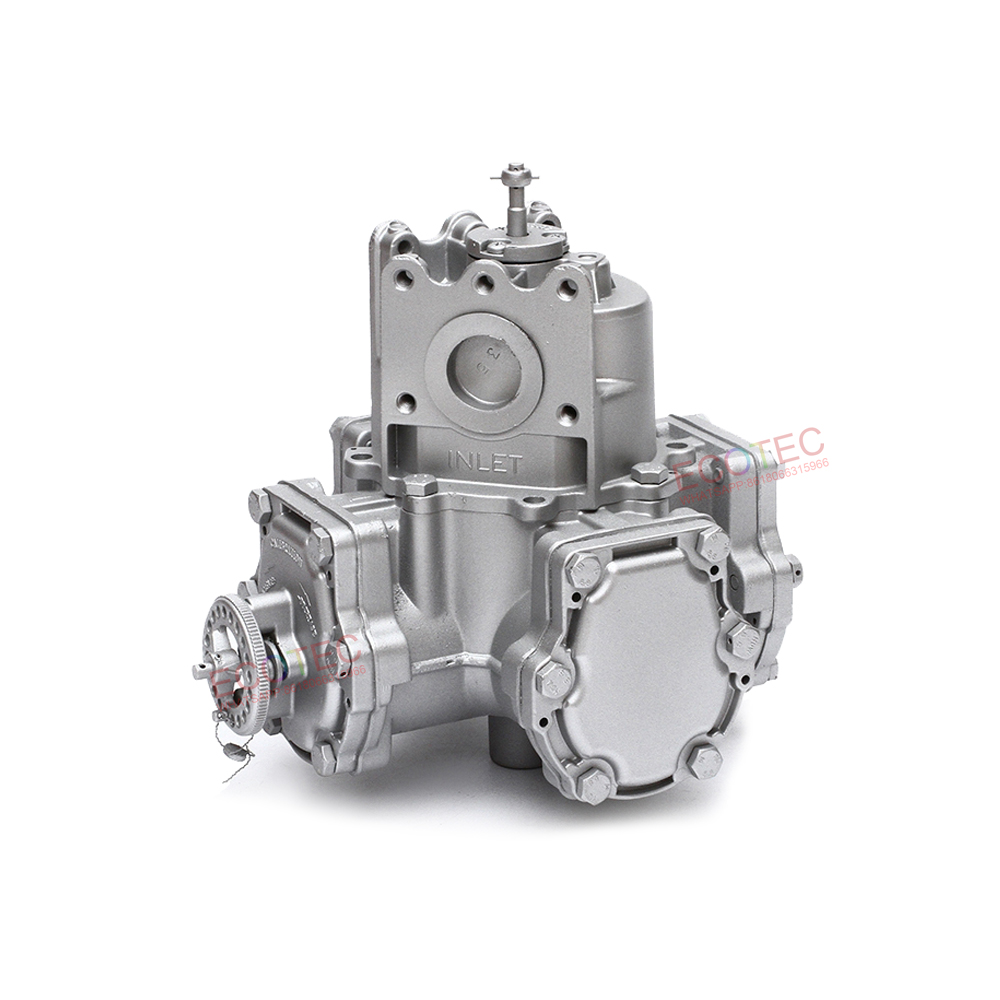
Operational reality hits hard at the pump. Even a minor 0.5% measurement deviation in a high-throughput facility creates massive financial losses over a single fiscal quarter. Every drop counts. Mechanical wear continuously alters internal clearances over time. This creates subtle measurement drift. Ignoring these micro-inaccuracies compromises your profit margins directly. It also exposes you to severe regulatory penalties from weights and measures authorities. We designed this technical guide to help you evaluate your equipment accurately. You will learn the exact operational triggers for maintenance. We will show you how to decide between recalibration, minor repairs, or a full hardware replacement. Proper measurement management transforms a routine compliance task into a measurable revenue recovery strategy. We will explore the hidden costs of mechanical drift. We will break down exactly how modern fuel systems degrade. By the end, you will possess a clear roadmap for total site optimization.
Key Takeaways
Financial Leakage: Meter drift typically favors the consumer (fuel giveaway), directly eroding profit margins.
Wear Factors: Particulate contamination, fluid viscosity, and mechanical friction inevitably degrade internal flow meter components over time.
Compliance Baselines: Local weights and measures authorities enforce strict legal tolerances; failure to maintain them risks operational shutdowns.
Evaluation Logic: Deciding between recalibration and replacement depends on historical drift rates, throughput volume, and integration compatibility with the primary fuel controller.
The Financial Cost of Meter Drift in Fuel Dispensers
Mechanical measurement devices do not improve over time. Internal parts grind against each other constantly. Clearances expand. More fluid slips past the measuring mechanism undetected. The electronic display registers exactly one gallon. However, the actual dispensed volume might equal 1.003 gallons. This mechanical wear usually causes a meter to pass more fluid than it registers. Customers get free product. Industry experts call this "fuel giveaway."
Let us model a conservative 0.3% giveaway rate. A busy commercial site pumping 100,000 gallons per month loses 300 gallons monthly. At realistic wholesale margins, this direct loss compounds rapidly. You lose thousands of dollars annually per nozzle. The financial impact goes far beyond the raw cost of the lost liquid. Consider these secondary costs:
Lost Retail Margins: Every unmeasured ounce directly subtracts from net profits. You pay for product you cannot sell.
Tax Discrepancies: You pay wholesale taxes on bulk fuel deliveries. You never successfully retail that lost volume, meaning you absorb the tax burden entirely.
Administrative Wastage: Staff spend countless hours hunting for phantom inventory losses. They chase data ghosts instead of managing operations.
Inaccurate readings at the pump create huge administrative headaches. Your underground storage tank (UST) automatic tank gauge shows one volume. Your point-of-sale system aggregates a different digital total. When pump meters fail, these two data streams diverge rapidly. This discrepancy ruins daily inventory reconciliation. Managers often blame theft or temperature changes. They waste time investigating delivery drivers. In reality, the physical meter simply wore out. More dangerously, this phantom volume loss masks potential environmental leaks. You cannot detect a true underground storage tank leak if your dispensers lie to you.
Site managers often view routine calibration as an annoying maintenance expense. This mindset costs money. Proper calibration acts as a powerful revenue recovery mechanism. Recalibrating an overwriting meter instantly stops the financial bleeding. The return on investment for a service call usually takes less than thirty days.
Mechanical Wear vs. Electronic Drift: Identifying the Root Cause
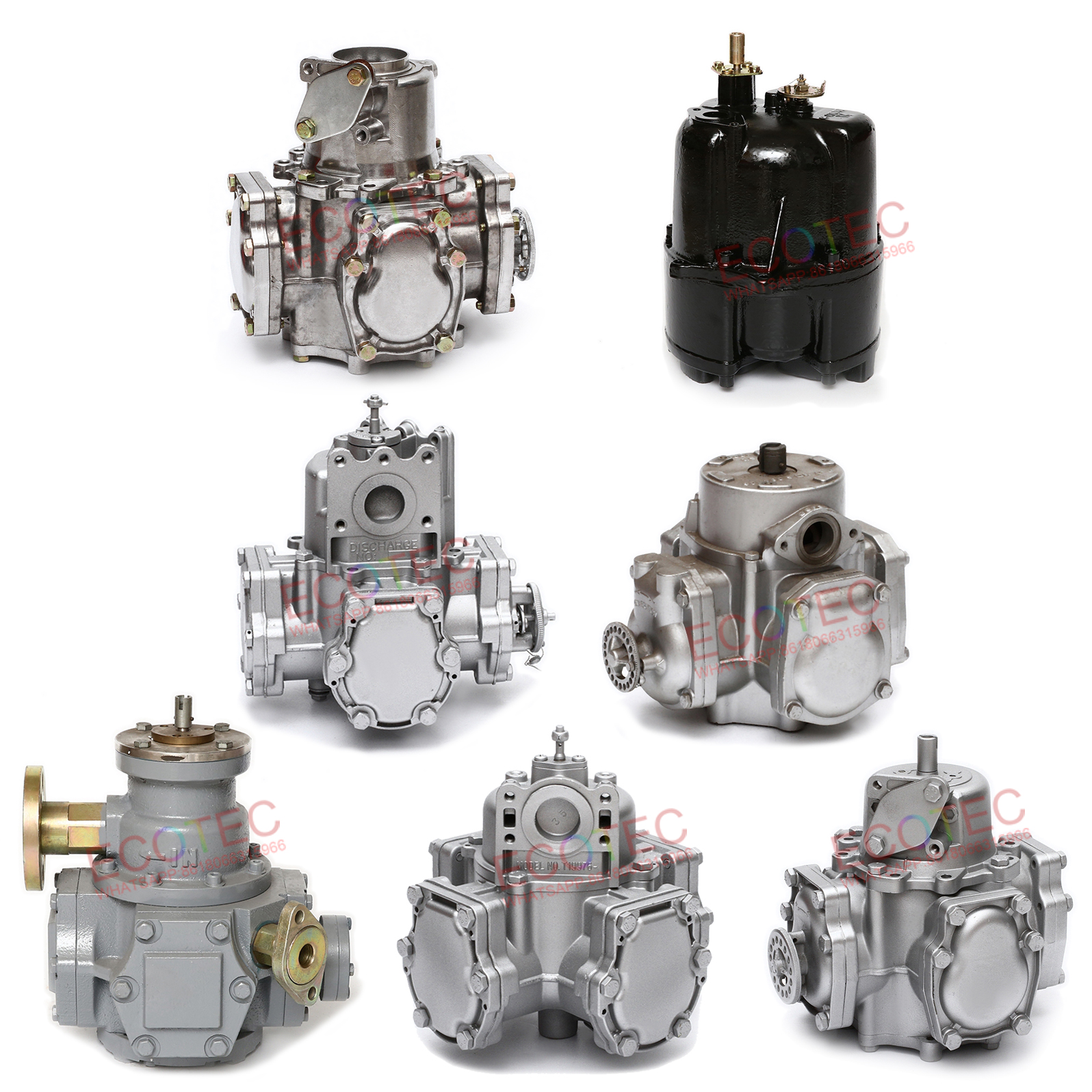
Continuous daily use impacts internal moving parts aggressively. Piston and rotary vane meters rely on extremely tight internal clearances. We measure these clearances in thousandths of an inch. Pistons, gears, and vanes constantly rotate under high pressure. Over time, physical friction degrades these internal metal surfaces. Abrasive particulates in the storage tanks accelerate this damage significantly. Tank vents pull in ambient dust. Poor filtration allows this microscopic debris to scar the measuring chambers. Once a fuel pump begins pushing contaminated fluid, the wear rate spikes aggressively.
Today's varying fuel blends pose unique challenges to internal seals. Refineries blend ethanol, methanol, and aggressive biodiesel formulas. These modern additives attack traditional rubber components. Soft O-rings become brittle. They shrink, crack, or swell unpredictably. This degradation leads to internal bypass. Fuel flows around the measuring chamber completely unmeasured. You cannot fix seal degradation through electronic recalibration. You must replace the compromised soft parts entirely to restore accuracy.
Sometimes the mechanical measurement block functions perfectly. The internal chamber works exactly as designed. However, the pulser fails. This electronic component translates mechanical rotation into square-wave digital pulses. If the pulser gear wears out or the electronic board degrades, it skips counts. It fails to send accurate digital signals to the fuel controller. The forecourt system records less volume than actually dispensed. Service technicians must distinguish between a mechanical failure and a pulser disconnect before ordering replacement parts.
Regulatory Compliance and Legal-for-Trade Standards
Governing bodies enforce strict legal tolerances to protect consumers and businesses. Organizations like the National Institute of Standards and Technology (NIST) or the National Measurement Institute (NMI) set universal acceptable deviation ranges. The standard legal-for-trade tolerance generally hovers around +/- 0.3%. Some jurisdictions demand tighter margins, often requiring +/- 0.15% for brand new installations. Operating outside these parameters invites severe consequences. Regulators conduct unannounced inspections. They will red-tag and shut down non-compliant nozzles immediately.
Global Weights and Measures Acceptance Standards
| Jurisdiction / Standard Body | General Tolerance Margin | Post-Repair Tolerance Margin |
| USA (NIST Handbook 44) | +/- 0.3% | +/- 0.15% |
| Australia (NMI) | +/- 0.3% | +/- 0.15% |
| Europe (MID Directive) | +/- 0.5% | +/- 0.2% |
| Canada (Measurement Canada) | +/- 0.5% | +/- 0.25% |
You cannot calibrate trade equipment casually. You must utilize certified technicians. They use verified master meters or officially stamped volumetric proving cans. Self-calibration invalidates your compliance status instantly. Adjusting a meter without certified proving equipment violates local laws. It breaks the legal chain of custody. Only a licensed professional can legally reseal the calibration mechanism. Tampering with these security seals yourself invites heavy fines.
Unannounced regulatory inspections happen frequently in the petroleum retail sector. You must maintain strict audit preparedness at all times. Keep comprehensive digital and physical calibration logs on site. Document every minute adjustment made by your service provider. Ensure inspectors can easily verify intact tamper-evident seals on every cabinet. Good record-keeping proves your ongoing commitment to legal-for-trade accuracy.
Evaluation Framework: Troubleshooting and Correcting Inaccuracies
Do not wait for a failed state inspection. Monitor your forecourt systems actively for verifiable signs of failure. Look for erratic delivery rates. Track persistent daily inventory shortages. Take customer complaints seriously. If customers complain about slow output or suspect pricing totals, investigate the hardware immediately. Early detection saves massive amounts of lost product.
When discrepancies arise, follow this troubleshooting sequence:
Analyze Daily Variances: Check your automatic tank gauge reconciliation reports. Look for consistent negative variances exceeding 0.1% over a rolling seven-day period.
Review Customer Feedback: Log complaints regarding dispensing speed. Filter out isolated incidents and look for patterns tied to specific lanes.
Perform a Visual Check: Inspect the lower cabinet for obvious physical leaks. Puddles indicate compromised seals rather than internal drift.
Conduct a Rough Test: Use an uncertified 5-gallon can to gauge rough accuracy before calling a technician. This helps isolate the exact problematic nozzle.
Isolate the Cause: Determine if the variance occurs across all blended grades or just a specific primary product line.
Technicians generally use two primary proving methods. Volumetric proving remains the most common field test. The technician first wets a certified 5-gallon stainless steel test measure. They dispense fluid, drain it completely, and establish a baseline inner surface. Next, they dispense exactly five gallons according to the digital display. They read the physical liquid level on the test measure's graduated neck. Master meter proving uses a highly accurate inline device. It measures the fluid continuously during transfer. The master meter connects directly in series. Master meters work best for high-capacity commercial transfer points where small test cans prove insufficient.
When do you tweak the dial, and when do you buy new hardware? This decision impacts your maintenance budget directly. We developed a clear decision matrix to help you choose between recalibration and replacement.
Calibrate vs. Replace Decision Matrix
| Condition Criteria | Recommendation | Action Rationale |
| Minor, linear drift over 12 months | Recalibrate | Standard mechanical wear. Easy to correct via the adjustment dial. |
| Device well within expected lifecycle | Recalibrate | Core mechanical components remain physically sound and safe. |
| Erratic, non-linear volume drift | Replace | Signals catastrophic internal wear or severely scored measurement chambers. |
| Requires constant monthly adjustments | Replace | The adjustment mechanism has maxed out. Accuracy cannot hold. |
| Repair parts exceed 40% of new unit cost | Replace | Financially inefficient to rebuild. Better to install a new fuel dispenser block. |
Best Practices for Calibration Scheduling and Risk Mitigation
Industry norms suggest annual calibration checks. This calendar-based approach fails busy commercial locations. High-volume travel centers pump millions of gallons yearly. They experience mechanical friction much faster than rural stations. We strongly argue for volume-based scheduling instead. Calibrate every one million gallons pumped. Throughput drives mechanical wear. Time simply passes. Transitioning to volume-based maintenance ensures your most active lanes stay perfectly accurate.
Modern forecourts run on complex networks. A perfectly calibrated Flow Meter means nothing if the digital data gets lost. Ensure your hardware communicates seamlessly. The pulse data must integrate perfectly into your point-of-sale systems. Upgrades must match your existing digital infrastructure. Technicians must verify the pulse ratio matches the forecourt controller settings. Mismatched pulse ratios create instant, massive inventory discrepancies.
You must partner intelligently. Look for specific attributes when shortlisting a service provider. Demand proof of active state or national weights and measures licenses. Require transparent, digital calibration reporting for easier audit tracking. Ensure they utilize properly certified and recently tested volumetric provers. Finally, verify they hold certifications for your specific hardware manufacturer. Not all technicians understand every proprietary pulser design.
Conclusion
Measurement accuracy remains a critical financial control point. It is not just another annoying maintenance checklist item. Precision directly impacts your bottom line. We advise you to audit your current volume variances today. Review your daily reconciliation sheets closely. Check your historical maintenance logs for chronic drifting patterns. Stop guessing about your inventory. Promptly consult a certified technician. Schedule a baseline calibration check for your busiest commercial lanes. Alternatively, request a quote for modern, wear-resistant hardware upgrades. Secure your retail margins and maintain perfect legal compliance.
FAQ
Q: How often should a fuel dispenser flow meter be calibrated?
A: You should schedule calibrations annually as a general baseline. However, high-throughput commercial sites experience accelerated wear. These busy locations often require bi-annual or strict volume-based intervals. Base your schedule on total gallons pumped rather than just the calendar to ensure maximum financial accuracy.
Q: Can meter drift cause me to fail an environmental audit?
A: Yes. Unresolved discrepancies between the dispensed output and tank gauge readings create severe compliance risks. These inventory variances can trigger false leak alarms. Regulators will scrutinize missing volume during environmental audits, potentially leading to heavy citations or immediate facility shutdowns.
Q: Why does my fuel pump dispense slower after a recalibration?
A: Calibration specifically affects measurement accuracy, not flow speed. If your equipment dispenses slowly, you likely have a clogged particulate filter or a failing internal motor. Technicians adjust the measuring block clearances, which does not restrict the overall liquid flow rate.
Q: Is it possible to calibrate a flow meter without a certified technician?
A: No. While site managers can perform rough volume checks using a standard proving can, legal adjustments require professional oversight. Legal-for-trade adjustments must be made and permanently sealed by a licensed professional. Breaking a regulatory seal yourself instantly invalidates your legal compliance.


