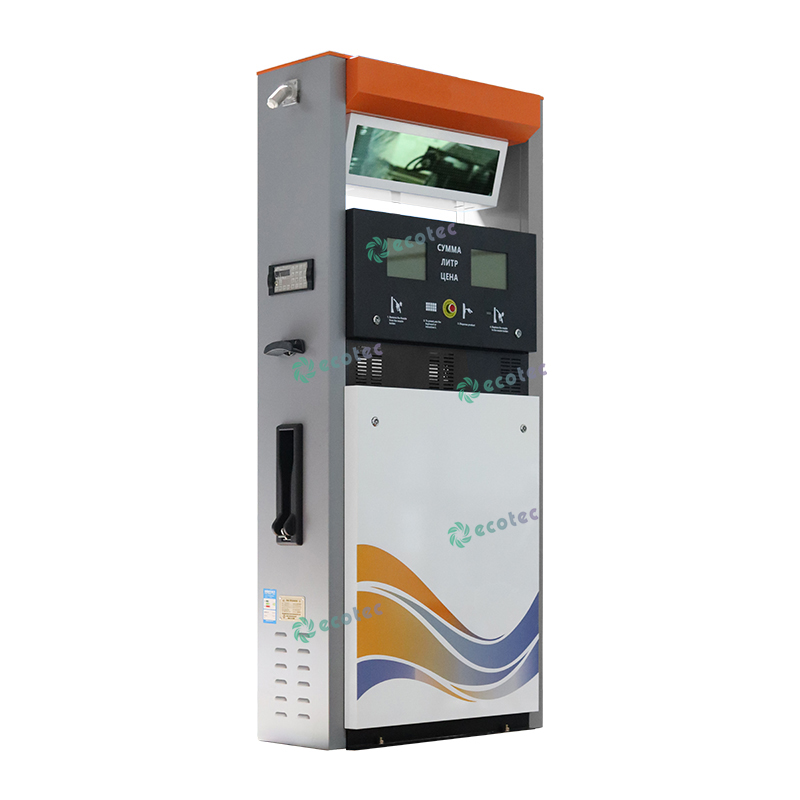
Component failure acts as a direct threat to station profitability. It heavily disrupts operational compliance and quickly damages customer trust. While the sturdy main housing of your dispensing unit often lasts for many years, high-wear Fuel Dispenser Accessories degrade predictably over time. Station operators simply cannot afford to ignore this mechanical reality. Waiting for essential parts to break means you inevitably lose revenue during downtime. Transitioning from reactive emergency fixes to a strategic, proactive maintenance protocol changes your entire operational outlook. This comprehensive checklist provides a clear framework to help you systematically monitor and manage these critical components. You will learn how to identify early warning signs of physical degradation. We guide you through highly structured daily, weekly, and monthly inspections. Ultimately, adopting this routine secures your bottom line and keeps your station running efficiently.
Key Takeaways
Proactive maintenance of high-wear accessories extends lifespan and prevents regulatory fines associated with inaccurate dispensing.
Implementing a structured daily, weekly, and monthly checklist catches minor faults before they escalate into systemic fuel pump failures.
The "Repair vs. Replace" decision should be driven by hard data: component age, failure frequency, and the hidden costs of downtime.
Evaluating replacement parts requires looking beyond sticker price to focus on interoperability, warranty terms, and long-term compliance.
The Business Cost of Accessory Degradation
Minor accessory faults often cascade into measurable business losses. Station managers sometimes view a dripping nozzle or a faded display as mere aesthetic issues. They are not. These early warning signs indicate underlying mechanical fatigue. Overlooking them allows small inefficiencies to multiply across your forecourt. A degraded component compromises the entire hydraulic ecosystem. You must address these issues promptly to protect your profit margins.
Revenue Leakage
Precision is everything in retail fuel operations. An uncalibrated flow meter creates severe financial vulnerabilities. It often leads to "giveaway," where the unit dispenses more fuel than the customer pays for. Losing just a fraction of a cent per gallon drains thousands of dollars annually from high-volume stations. Conversely, if the meter under-dispenses, you face immediate customer complaints. Angry customers rarely return. They also leave damaging reviews online. Maintaining strict calibration protects both your revenue and your public reputation.
Operational Strain
Components in a dispensing system rely heavily on one another. A clogged filter restricts fluid movement significantly. A failing breakaway valve introduces unnatural pressure variations. These blockages force the core fuel pump to work much harder to maintain standard flow rates. Increased hydraulic resistance generates excess heat. This heat damages internal seals and degrades the motor prematurely. Replacing a stressed pump motor is vastly more expensive than routinely changing a simple inline filter.
Compliance Risks
Regulators treat fuel dispensing accuracy very seriously. Neglected accessories remain the leading cause of failed inspections. Inspectors from Weights and Measures regularly audit stations for calibration accuracy and physical safety. Environmental agencies also monitor equipment for vapor leaks and soil contamination risks. A failed audit often results in immediate red-tagging. Authorities will shut down non-compliant lanes until you complete certified repairs. This enforced downtime destroys daily revenue and triggers expensive emergency service calls.
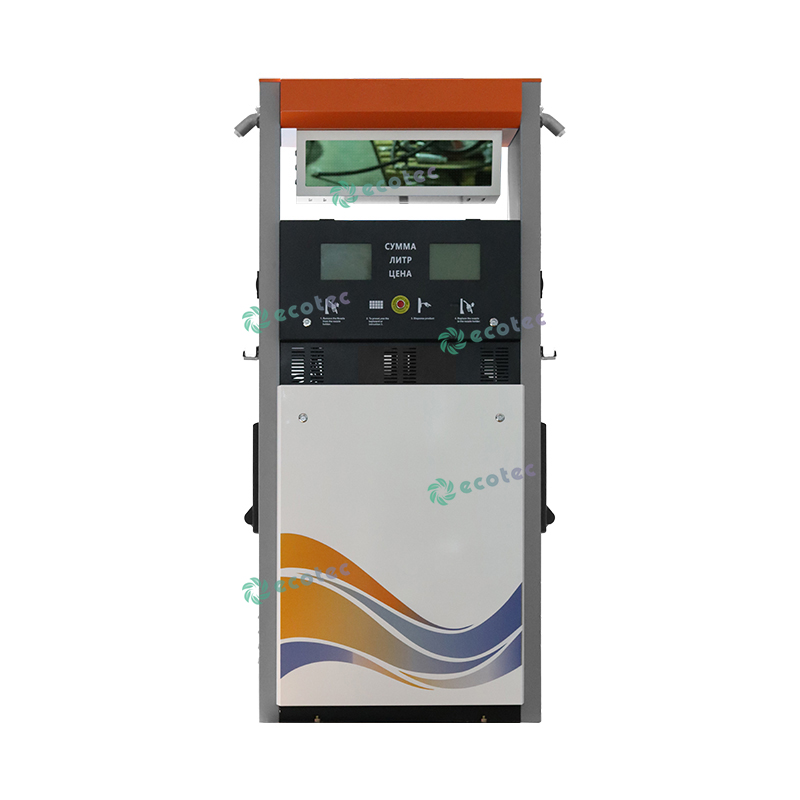
The Core Maintenance Checklist for Fuel Dispenser Accessories
Effective maintenance relies on consistency and tiered responsibility. You cannot expect a single annual visit from a technician to catch every developing fault. Instead, you need a layered approach. Frontline staff, station managers, and certified technicians must all participate. We categorize these responsibilities below to streamline your operations.
Daily Visual Inspections (Frontline Staff Level)
Your cashiers and forecourt attendants serve as your first line of defense. They should perform a quick visual sweep during shift changes. We recommend focusing on the highest-touch items.
The Nozzle Assembly: Inspect the fuel nozzle for physical cracks. Look closely at the spout for any weeping fluid. Squeeze the trigger to ensure smooth operation. You must also verify the automatic shut-off mechanism remains clear of debris. Customers often jam foreign objects into the handle to force continuous flow, which damages the internal spring.
Hoses & Breakaways: Walk the length of every hose. Look for unnatural bulges, deep abrasions, or cracks in the outer rubber. Confirm the breakaway valve remains fully intact. Sometimes customers pull away with the nozzle still in their tank. A breakaway might partially separate but not completely detach. This partial separation causes slow leaks.
Overall Cleanliness: Wipe down the external surfaces. Remove spilled fuel immediately to prevent accelerated degradation of plastic and rubber components.
Weekly Operational Checks (Manager Level)
Managers need to dig slightly deeper than basic visual sweeps. Weekly checks focus on electronics and operational feel. These inspections identify security threats and internal mechanical wear.
Screen and Terminal Integrity: Check display screens for weather damage or condensation behind the glass. Test the payment terminals thoroughly. Look for any loose card readers. Criminals frequently install skimming devices over the weekend. A gentle tug on the card reader easily reveals tampering.
Auditory Diagnostics: Stand near the cabinet while the unit dispenses fuel. Listen for unusual mechanical noises. A healthy system emits a steady, low hum. Grinding noises, sudden vibrations, or high-pitched whining indicate internal friction. These sounds usually point to failing bearings or restricted valves.
Receipt Printer Status: Ensure paper rolls have sufficient stock. Clear any jammed paper dust from the printing mechanism. A malfunctioning printer frustrates customers who require expense receipts.
Monthly & Quarterly Audits (Technician Level)
Leave complex calibrations and internal replacements to certified technicians. They possess the proper tools and legal authority to break security seals. Schedule these audits strictly.
Flow Meter Calibration: Technicians must run baseline accuracy tests using certified proving cans. They identify subtle flow drift. They will adjust the calibration dials or electronic settings to bring the unit back into absolute compliance.
Filter Replacements: Clogged filters restrict output speeds severely. Technicians check and replace these dispenser filters quarterly. Clean filters maintain optimal flow rates. They also capture microscopic particulate matter, protecting customer vehicle engines from damage.
Cabinet Internals: Technicians inspect the internal piping for weeping joints. They check wiring harnesses for corrosion or rodent damage. This prevents unexpected electrical shorts during heavy rainstorms.
Repair vs. Replace: Evaluating Your Next Steps
Maintenance eventually reaches a point of diminishing returns. Knowing when to stop patching old equipment and start installing new parts is crucial. Emotional attachment to legacy equipment harms your profitability. You must base these decisions on a pragmatic, data-driven framework.
The 50% Rule
Industry experts widely rely on the 50% rule to guide replacement decisions. If the repair cost of the accessory exceeds 50% of the price of a brand-new replacement part, replace it immediately. Furthermore, track failure frequencies closely. If a specific unit fails twice within a six-month window, it has reached the end of its reliable lifespan. Continued repairs only invite future breakdowns. Replacement represents the more secure financial choice.
Component-Specific Logic
Different parts require different decision matrixes. You cannot treat a heavy internal pump the same way you treat a rubber hose.
Nozzles & Hoses: These are strictly consumable items. They endure intense physical abuse, weather exposure, and constant bending. Due to severe safety liabilities and obvious wear-and-tear realities, never attempt to repair them. A patched hose will eventually burst under pressure. Always replace them with brand-new, factory-tested units.
Measurement Instruments: Metering units often qualify for rebuilds. Technicians can clean them, replace internal o-rings, and recalibrate them successfully. However, you should replace the entire unit if calibration drift occurs rapidly between your monthly checks. Rapid drift indicates severe metal wear on the internal measuring chambers.
Electronic Boards: Display boards and payment keypads degrade from moisture. You can sometimes bake them dry, but microscopic corrosion usually returns. We recommend replacing them if you notice intermittent screen flickering or missed keypad strokes.
Repair vs. Replace Decision Matrix
| Component Type | Primary Wear Factor | Repair Strategy | Trigger for Full Replacement |
| Hoses & Breakaways | Physical stress, weather exposure | None. Strictly replace. | Abrasions, partial separation, bulges. |
| Metering Systems | Internal fluid friction, debris | Rebuild seals, recalibrate dials. | Rapid drift between monthly audits. |
| Nozzle Assemblies | Drops, vehicle impacts | None. Strictly replace. | Leaking spout, failed auto-shutoff. |
| Inline Filters | Particulate buildup | None. Strictly replace. | Noticeable drop in flow rate speed. |
Vendor Evaluation: Shortlisting High-Quality Replacement Parts
Once you decide to replace a component, sourcing the right part becomes your primary challenge. The market floods operators with cheap, imitation hardware. These low-cost alternatives fail quickly and void your existing warranties. You must evaluate replacement parts critically before authorizing a purchase.
Compatibility and Integration
The new Fuel Dispenser Accessories must integrate seamlessly with your existing infrastructure. This includes both hydraulic layouts and complex electronic communication systems. Mismatched threads on a pipe fitting cause dangerous leaks. Incompatible pulse protocols between a new meter and your legacy point-of-sale system cause data errors. Always consult your equipment manual or a certified technician to ensure exact cross-compatibility.
Material Quality
Modern fuel blends are highly corrosive. E15, E85, and various biodiesel mixtures aggressively attack older rubber seals and standard plastics. Evaluate new components based on their construction materials. Look for high-grade stainless steel housings and specialized Viton or Teflon seals. These materials resist chemical degradation much better than standard aluminum and nitrile rubber.
Certifications
Never install uncertified hardware on a forecourt. Verify that replacement parts meet strict regional and international safety standards. Look for prominent markings from UL (Underwriters Laboratories), ATEX (for explosive atmospheres), or CE. These certifications guarantee the part underwent rigorous independent testing for fire safety and pressure tolerance.
Supplier Trust
A part is only as good as the company standing behind it. Look for vendors that offer highly transparent warranty terms. Avoid suppliers who hide their return policies in dense legal text. Choose companies offering accessible technical support and localized spare part availability. A reliable supplier ships parts overnight, minimizing your lane downtime.
Implementation Realities and Rollout Risks
Procuring the right part solves only half the problem. Installation introduces its own set of operational risks. Poor execution during the upgrade process disrupts customer flow and creates new mechanical faults. You must manage the installation phase proactively.
Downtime Management
Replacing internal components requires complete lane closures. Technicians must depressurize the lines and shut off electrical breakers. Plan these heavy installations carefully. Schedule the work during historically low-traffic hours, such as late evenings or early mornings. Communicate closures clearly to your customers using highly visible cones and polite signage. Good communication prevents driver frustration in your lot.
Calibration Realities
Installing a new metering component is not a simple plug-and-play operation. Acknowledge that installing a new measurement device requires immediate, certified calibration. You cannot legally return the pump to public use until a certified technician verifies its accuracy. Coordinate your parts delivery directly with your local Weights and Measures inspector or authorized calibration service. This coordination prevents your lane from sitting idle while waiting for an official seal.
Staff Adoption
New equipment feels different. A brand-new hose is notably stiffer than a worn one. A fresh nozzle trigger requires slightly more pressure to engage. Ensure station attendants receive proper training. They must learn to recognize the "normal" feel and operation of the newly installed hardware. Establishing this baseline allows them to accurately perform their future daily visual checks. If they do not know how a new part operates, they cannot identify when it begins to fail.
Conclusion
Managing your dispensing equipment requires dedication. It is a continuous cycle of inspection, detailed evaluation, and targeted upgrading. You cannot treat maintenance as a one-time event. Establishing clear daily, weekly, and monthly routines protects your hardware from premature failure. Let us perform a final skeptical check: delaying necessary replacements does not save your business money. It merely defers the financial hit while multiplying the severe risk of catastrophic failure. Stop waiting for breakdowns to dictate your schedule. We strongly prompt you to audit your current dispensers today using the provided checklist. Walk your forecourt, identify aging hardware, and contact a certified vendor to source fully compliant replacement parts.
FAQ
Q: How often should a fuel nozzle be replaced?
A: You should replace it typically every 1 to 3 years depending heavily on your station volume. However, you must replace it immediately if the automatic shut-off mechanism fails or if physical leaks appear anywhere on the spout or handle.
Q: Why is my fuel pump dispensing so slowly?
A: Slow flow is rarely the internal motor itself. It is most commonly a clogged dispenser filter restricting the fluid. It can also stem from a partially tripped breakaway valve, a failing shear valve beneath the unit, or a physically constricted hose.
Q: How frequently does a flow meter need calibration?
A: Best practice dictates checking calibration every 6 to 12 months. You must also recalibrate it immediately after replacing any internal hydraulic components. This strict schedule maintains legal compliance and prevents hidden revenue loss from over-dispensing.


