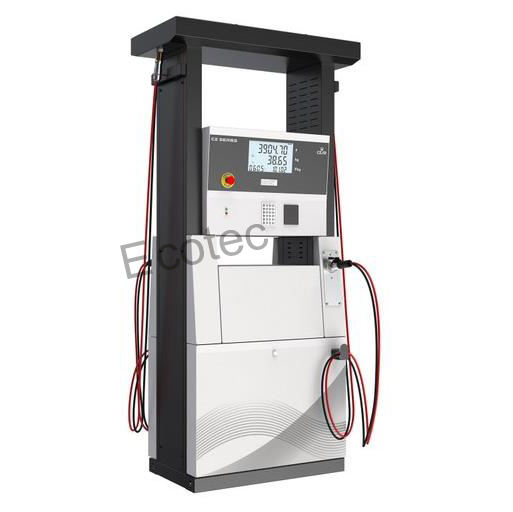
Have you ever wondered why LNG dispenserpipes freeze? Understanding this issue is crucial for ensuring efficient operations. In this article, we’ll explore the causes of freezing in LNG dispenser pipes. You’ll learn about temperature differences, moisture impact, and impurities that contribute to this problem.
What Causes Freezing of LNG Dispenser Pipes?
Temperature Differences and Their Effects
LNG (Liquefied Natural Gas) is stored at extremely low temperatures, around -162 degrees Celsius (-260 degrees Fahrenheit). When LNG flows through dispenser pipes, it rapidly cools the surfaces of these pipes, which are often made of metal or plastic. This sudden exposure to cold creates a significant temperature difference between the LNG and the warmer ambient air. As a result, condensation occurs on the pipe surfaces. Over time, this condensation freezes, leading to ice formation.
This ice can build up, creating blockages that impede the flow of LNG. Operators must be aware of this process to implement effective solutions for maintaining optimal flow rates.
Moisture Content and Its Impact
Moisture in the air is another critical factor contributing to the freezing of LNG dispenser pipes. When humid air comes into contact with the cold surfaces of the pipes, the moisture condenses and freezes. This accumulation of ice can obstruct the LNG flow, leading to operational inefficiencies.
Sources of moisture can include environmental conditions, such as high humidity levels or rain. Even small amounts of moisture can have a significant impact, especially in systems that are not adequately insulated. Operators should monitor humidity levels and take steps to mitigate moisture exposure to prevent freezing.
Role of Impurities in LNG
Impurities in LNG can also exacerbate freezing issues. These impurities may include water vapor, trace gases like carbon dioxide or nitrogen, and solid particles suspended in the LNG. Such contaminants can lower the freezing point of the LNG and contribute to the formation of ice within the pipes.
For example, if water vapor is present in the LNG, it can freeze and create blockages. Additionally, solid particles can act as nucleation sites for ice formation, further complicating the flow of LNG. Regular testing and purification processes can help operators identify and remove these impurities, thereby reducing the likelihood of freezing.
Temperature Differences in LNG Dispenser Pipes
How LNG is Stored
LNG, or Liquefied Natural Gas, is stored at extremely low temperatures, typically around -162°C (-260°F). This process involves cooling natural gas to a liquid state, which significantly reduces its volume, making it easier to transport and store. LNG is held in specially designed cryogenic tanks that maintain these low temperatures. The materials used in these tanks are crucial, as they must withstand the intense cold without becoming brittle or leaking.
Effects of Ambient Temperature on Pipe Surfaces
When LNG flows through dispenser pipes, it encounters a stark contrast in temperature between the LNG and the surrounding air. If the ambient temperature is significantly higher than the LNG temperature, the pipe surfaces rapidly cool down. This temperature differential can lead to condensation forming on the exterior of the pipes. As the temperature drops, this condensation can freeze, creating ice that obstructs the flow of LNG. The greater the temperature difference, the more pronounced this effect becomes, leading to increased risks of freezing.
Condensation and Ice Formation Process
The process of ice formation on LNG dispenser pipes begins with condensation. As warm, moist air contacts the cold surface of the pipes, water vapor condenses into liquid droplets. If the surrounding temperature continues to drop or if the LNG remains in contact with the pipes, these droplets can freeze. This freezing process can lead to ice accumulation, which can obstruct LNG flow and disrupt operations.
Operators need to be vigilant about this phenomenon, as even small amounts of ice can lead to significant operational issues. Regular monitoring and maintenance of the pipes can help identify early signs of ice formation, allowing for timely interventions.
Moisture Content in the Air
Sources of Moisture
Moisture in the air is a significant factor that contributes to the freezing of LNG dispenser pipes. Various sources can introduce moisture into the environment surrounding LNG dispensers. These sources include:
Humidity: High humidity levels, particularly in coastal areas or during rainy seasons, can lead to increased moisture content in the air.
Rain and Snow: Precipitation can directly introduce water vapor into the atmosphere, raising humidity levels and creating conditions conducive to condensation.
Temperature Fluctuations: Rapid temperature changes can also cause moisture to condense. For example, if warm air suddenly cools, it can lead to condensation on surfaces, including dispenser pipes.
How Moisture Leads to Freezing
When humid air comes into contact with the cold surfaces of LNG dispenser pipes, condensation occurs. This process can be broken down into a few critical steps:
Condensation Formation: As the warm, moist air touches the cold pipe surface, the temperature drops, causing water vapor to condense into liquid droplets.
Freezing of Condensed Water: If the temperature continues to drop or if the LNG remains in contact with the pipes, these liquid droplets can freeze, forming ice.
Ice Accumulation: Over time, this ice can accumulate, leading to blockages within the dispenser pipes. The thicker the layer of ice, the more significant the obstruction to LNG flow.
This accumulation can severely disrupt operations, leading to inefficiencies and potential safety hazards.
Impact of Moisture on LNG Flow
The presence of moisture and subsequent ice formation can have several negative effects on LNG flow:
Blockages: Ice can create physical barriers that impede the smooth flow of LNG through the pipes. This can lead to reduced efficiency and increased pressure in the system.
Operational Delays: When blockages occur, it may require downtime for maintenance to clear the ice, resulting in delays in LNG dispensing.
Safety Risks: Increased pressure from blockages can lead to leaks or even ruptures in the pipes, posing safety hazards to personnel and the environment.
To mitigate these issues, operators must be proactive in monitoring humidity levels and implementing measures to reduce moisture exposure.
Impurities in LNG and Their Effects
Types of Impurities in LNG
Liquefied Natural Gas (LNG) is not a pure substance; it often contains various impurities that can affect its properties and performance. Common impurities include:
Water Vapor: This is one of the most significant contaminants. Even trace amounts can lead to freezing issues.
Trace Gases: These can include carbon dioxide (CO2), nitrogen (N2), and hydrogen sulfide (H2S). Each can alter the freezing point of LNG.
Solid Particles: These may consist of dust, rust, or other particulates that can accumulate in the LNG system.
Each of these impurities can impact the LNG's flow characteristics and increase the likelihood of freezing in dispenser pipes.
How Impurities Contribute to Freezing
Impurities can lower the freezing point of LNG, making it more susceptible to freezing under certain conditions. For example, when water vapor is present, it can freeze upon contact with the cold surfaces of the pipes, leading to ice formation. Additionally, solid particles can act as nucleation sites, which are essential for ice crystals to begin forming. This can accelerate the freezing process, leading to blockages and operational inefficiencies.
The presence of these impurities not only increases the risk of freezing but also complicates the flow of LNG through the dispenser pipes. Operators must be aware of these risks when managing LNG systems.
Methods to Identify and Remove Impurities
To mitigate the freezing issues caused by impurities, operators can implement several strategies:
Regular Testing: Conduct routine testing of LNG for impurities. This can help identify the presence of water vapor, trace gases, and solid particles before they cause issues.
Filtration Systems: Installing filtration systems can help remove solid particles from the LNG. These systems can capture contaminants before they enter the dispenser pipes.
Dehydration Units: Using dehydration units can effectively remove water vapor from LNG. This is crucial for preventing freezing, as even small amounts of moisture can lead to significant problems.
Quality Control Measures: Implementing stringent quality control measures during LNG production can help ensure that the gas is as pure as possible before it reaches the dispenser pipes.
Regular Maintenance: Regular maintenance of LNG systems is essential. This includes cleaning filters, inspecting for leaks, and monitoring overall system performance to prevent impurities from accumulating.
By addressing the issue of impurities in LNG, operators can significantly reduce the risk of freezing in dispenser pipes, ensuring smoother operations and enhancing safety.
Potential Solutions for Preventing Pipe Freezing
Freezing of LNG dispenser pipes can cause significant operational challenges. However, there are effective solutions to mitigate this issue and ensure smooth LNG flow. Here are some of the most reliable methods:
Insulation Techniques for LNG Dispenser Pipes
Insulating LNG dispenser pipes is one of the most effective ways to prevent freezing. Insulation minimizes heat transfer from the ambient environment to the pipes, maintaining a consistent temperature within. Proper insulation can significantly reduce condensation and ice formation.
Materials such as foam, fiberglass, or specialized cryogenic insulation are commonly used. Operators should ensure that insulation is intact and covers all exposed areas of the pipes. Regular inspections can help identify any damage that may compromise insulation effectiveness.
Heating Systems: Electric Heat Tracing and Steam Tracing
Heating systems can be installed along LNG dispenser pipes to counteract freezing. Two common methods are electric heat tracing and steam tracing.
Electric Heat Tracing: This system involves wrapping electric heating cables around the pipes. These cables generate heat, keeping the pipe surfaces warm enough to prevent ice formation. It’s essential to select the right type of cable based on the specific needs of the installation.
Steam Tracing: This method uses steam to heat the pipes. Steam is circulated through a pipe that runs alongside the LNG line, transferring heat to prevent freezing. While effective, steam tracing requires careful monitoring to ensure proper operation.
Both methods can be integrated with temperature sensors to provide real-time monitoring and control, ensuring optimal performance.
Dehumidification Methods
Reducing moisture content in the air surrounding LNG dispensers can significantly minimize freezing risks. Dehumidification systems can be installed to effectively remove excess moisture from the environment.
These systems work by drawing in humid air, cooling it, and condensing water vapor, which is then drained away. This process helps maintain lower humidity levels, reducing the likelihood of condensation on cold pipe surfaces.
Filtration and Purification Processes
Implementing stringent filtration and purification processes during LNG production is crucial. By removing impurities, operators can reduce the risk of freezing in dispenser pipes.
Regular Testing: Conduct routine tests to monitor for impurities such as water vapor or solid particles. This helps identify potential issues before they escalate.
Filtration Systems: Use filtration systems to capture solid particles and contaminants before they enter the dispenser pipes. This ensures cleaner LNG and minimizes freezing risks.
Dehydration Units: Employ dehydration units to eliminate water vapor from LNG. Since water vapor is a significant contributor to freezing, removing it can have a substantial impact.
Importance of Regular Maintenance
Regular maintenance of LNG dispenser pipes is vital for preventing freezing. Operators should:
Inspect insulation for integrity and repair any damage.
Monitor heating systems to ensure they are functioning correctly.
Check for leaks and clean filters regularly to maintain optimal performance.
By prioritizing maintenance, operators can identify potential issues early and take corrective action, significantly reducing the likelihood of freezing.
Conclusion
LNG dispenser pipes freeze due to temperature differences, moisture content, and impurities. The cold LNG creates condensation, leading to ice formation that obstructs flow. Operators must monitor humidity and remove impurities to prevent freezing. Effective solutions include insulation, heating systems, and regular maintenance. Continuous improvement in LNG technologies is essential for safety and efficiency.Ecotecoffers innovative solutions that enhance LNG dispenser performance, ensuring safe and efficient operations. Their products provide unique benefits that help operators maintain optimal flow rates.
FAQ
Q: Why do LNG dispenser pipes freeze?
A: LNG dispenser pipes freeze due to significant temperature differences between the cold LNG and warmer ambient air, leading to condensation that freezes on the pipe surfaces.
Q: How can I prevent freezing in LNG dispenser pipes?
A: To prevent freezing in LNG dispenser pipes, implement insulation, heating systems, and dehumidification methods to minimize temperature differentials and moisture exposure.
Q: What role do impurities play in LNG dispenser freezing?
A: Impurities in LNG, such as water vapor and solid particles, can lower the freezing point and contribute to ice formation within LNG dispenser pipes.
Q: Are there specific maintenance practices for LNG dispensers?
A: Regular inspection and maintenance of LNG dispenser pipes, including checking insulation and monitoring humidity levels, are essential to prevent freezing issues.
Zhejiang Ecotec Energy Equipment Co., Ltd. is a professional manufacturer of gas station equipment, can offer customer complete solution from design to after-sales service with good price and quality.