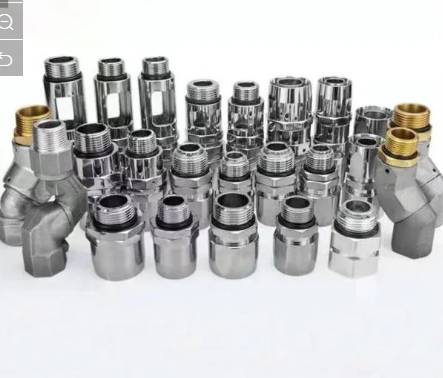
Premature wear causes immense customer frustration rapidly. Minor fluid leaks at the pump often trace back directly to improper connection hardware. Facility operators frequently underestimate these small but incredibly vital dispensing components. Many standardized station setups ignore the specific technical criteria required for safe system bridging. Improper hardware strains the entire dispensing system continually during daily operations. This ongoing physical stress causes hidden micro-leaks and dramatically increases dangerous maintenance downtime. This comprehensive guide evaluates the exact technical criteria for selecting the correct Coupling And Swivel hardware. We provide petroleum operators and maintenance teams an evidence-based framework for specifying resilient components. You will discover practical ways to reduce physical strain, meet stringent safety standards, and minimize equipment downtime effectively. Choosing the correct connector prevents costly environmental emergencies. Let us optimize your daily dispensing lanes for maximum reliability and peak operational safety.
Key Takeaways
Selecting the right coupling and swivel reduces torque on the fuel hose, directly extending its operational lifespan and preventing point-of-connection leaks.
Multi-plane swivels offer superior ergonomic handling for end-users compared to standard single-plane connectors, though they require specific maintenance intervals.
Thread compatibility (e.g., NPT vs. BSPP) and correct sizing (3/4-inch vs. 1-inch) are non-negotiable for system integrity and safety compliance.
Material selection must align with the dispensed fuel type (standard unleaded, diesel, or corrosive alternative fuels like E85).
The Operational Impact of Coupling and Swivel Hardware
Standardized dispenser setups often ignore regional usage volume completely. Franchises frequently install identical hardware across all geographical locations. This uniform approach leads to accelerated wear on the fuel hose and associated components. High-traffic highway stations experience thousands of dispensing cycles weekly. Conversely, rural locations might see a fraction of this volume. Operators must frame hardware selection as a site-specific business problem. Mismatching component durability to daily throughput guarantees premature equipment failure. You must evaluate the unique operational demands of every single facility.
Ergonomics dictate the overall customer experience at the pump. Heavy, rigid hoses resist natural user movement constantly. Customers struggle when they pull stiff dispensing equipment toward their vehicles. A properly selected swivel reduces physical resistance at the fuel nozzle significantly. It prevents frustrated customers from dragging or violently twisting the hose assembly. Smooth handling creates a markedly better user experience. Customers naturally return to stations offering easy, clean, and effortless refueling. Hard-to-manage equipment drives valuable customers to competing locations.
Risk mitigation forms another core pillar of operational success. You must address the hidden costs of poor hardware selection proactively. Weeping joints introduce micro-leaks into the immediate environment. These tiny drips often go unnoticed during rushed daily inspections. However, environmental protection agencies penalize minor fluid leaks heavily. Compliance fines destroy site profitability rapidly. Furthermore, emergency replacement labor costs significantly more than scheduled preventive maintenance. Sudden hardware failures force lanes to close unexpectedly. Proactive specification keeps lanes open, protects the environment, and preserves your maintenance budget.
Evaluating Swivel Architectures: Single-Plane vs. Multi-Plane
Selecting the correct swivel architecture prevents premature mechanical failures. You must evaluate the rotational needs of your specific dispensing lanes. Engineers design swivels to absorb torque before it damages delicate rubber lines. Understanding the distinct architectural differences ensures optimal daily performance.
Single-plane swivels provide functionality on a single rotational axis. They allow a complete 360-degree rotation horizontally. Their internal mechanism remains relatively simple, featuring a single set of ball bearings. This simplicity makes them highly robust and economically attractive. You will find them ideal for budget-conscious fleet operations. Heavy-duty diesel lanes also benefit greatly from single-plane units. Commercial truck drivers generally park parallel to high-flow dispensers. They do not require extreme multidirectional flexibility. Single-plane units handle rough commercial handling exceptionally well.
Multi-plane swivels deliver superior omnidirectional movement. Industry professionals often call them dual-plane swivels. They incorporate two distinct rotational joints into one unified body. You typically see a 360-degree axis paired alongside a separate 270-degree axis. High-volume retail gas stations absolutely require this advanced architecture. Everyday consumers park at unpredictable angles and pull equipment awkwardly. The dual joints eliminate structural twisting entirely. They prevent dangerous kinking by absorbing applied torque directly. The energy dissipates before transferring to the primary dispenser casing.
Facility managers must utilize a clear decision matrix for procurement. You must weigh the higher upfront cost of multi-plane swivels carefully. They require a larger initial capital investment per lane. However, extensive industry data documents a massive reduction in annual replacements. Eliminating hose kinks doubles the lifespan of expensive rubber components. The long-term savings heavily outweigh the initial hardware premium.
Swivel Architecture Performance Matrix
| Architecture Type | Rotational Freedom | Primary Use Case | Durability Profile | Relative Upfront Cost |
| Single-Plane | 360° Single Axis | Commercial fleets, heavy diesel | Extremely high under linear stress | Low |
| Multi-Plane (Dual) | 360° + 270° Axes | Retail gasoline, variable parking angles | High, but sensitive to debris | Moderate to High |
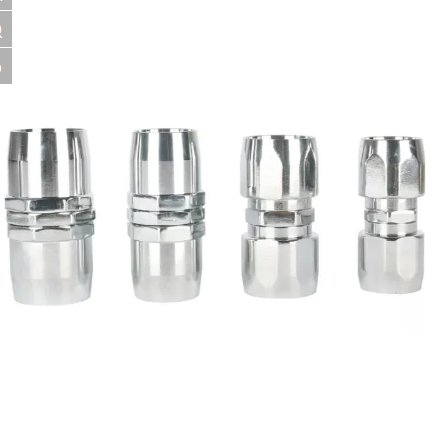
Size Matching and Thread Compatibility for Fuel Connectors
Standard sizing protocols directly dictate your system flow performance. You must evaluate fluid requirements before purchasing any connection hardware. Retail gasoline applications universally rely on 3/4-inch setups. This specific diameter perfectly handles standard unleaded flow rates around 10 gallons per minute. Conversely, high-flow diesel applications demand 1-inch setups. Large commercial trucks require rapid refueling to maintain tight delivery schedules. Installing a 3/4-inch component on a diesel line severely restricts flow. This restriction causes immediate customer frustration. It also forces the internal pump motor to work harder, increasing electrical wear.
Thread pitch and type represent a critical safety boundary. Mismatching threads introduces extreme physical risk to the operator. You must distinguish clearly between various regional thread standards. NPT (National Pipe Taper) dominates the North American petroleum market. The tapered design creates a fluid-tight seal through metal deformation. Other regions rely heavily on BSPP (British Standard Pipe Parallel). Forcing mismatched threads together destroys internal metal grooves instantly.
Many inexperienced technicians mistakenly rely on thread sealants alone. They use chemical pastes to bridge improperly matched components. This dangerous practice introduces critical hidden failure points. Sealants cannot replace proper mechanical thread engagement securely. Fluid pressure spikes will eventually blow out the chemical sealant. This failure sprays hazardous fuels across the dispensing lane.
Compatibility mapping requires rigorous, step-by-step shortlisting logic. Follow these exact steps to ensure a perfect mechanical fit:
Measure the inner diameter of your existing dispensing line.
Identify the exact thread standard carved into the dispenser outlet.
Verify the inlet thread standard located on your dispensing handle.
Select a metallic coupling matching both the required size and thread type precisely.
Confirm the manufacturer flow rating comfortably exceeds your maximum pump output.
Material Durability and Fuel-Specific Compliance
Base materials completely determine hardware longevity and structural integrity. Manufacturers cast components from several distinct metal alloys. Aluminum and zinc provide incredibly lightweight structural solutions. They remain highly cost-effective for standard retail stations. You will find them standard for regular unleaded petroleum dispensing. These lighter metals reduce the physical burden on the everyday consumer. Brass and stainless steel offer significantly heavier alternatives. They deliver vastly superior corrosion resistance against harsh elements. Heavy-duty commercial applications routinely mandate these stronger metal alloys. Brass withstands severe physical impacts from commercial truck usage perfectly.
Seal and O-ring integrity dictate your primary leak prevention strategy. Standard nitrile seals handle basic unleaded gasoline adequately. However, modern blended fuels degrade standard nitrile compounds rapidly. You must evaluate premium Viton® or Teflon seals actively. These advanced materials resist chemical breakdown highly effectively. They maintain their flexibility in freezing winter environments. They also resist expansion during extreme summer heatwaves. Compromising on internal seals guarantees early component failure.
Alternative fuel realities demand highly specialized dispensing materials. Renewable fuels interact aggressively with standard dispensing metals. Handling E85 requires specific chemical resistance due to high ethanol content. Ethanol absorbs atmospheric moisture, creating highly corrosive internal conditions. Biodiesel mixtures present similar chemical degradation challenges. Ultra-low sulfur diesel lacks the natural lubricity of older fuels. This lack of lubrication causes unique internal wear patterns on bearings. These modern fuels destroy standard components very rapidly. You must specify specialized, nickel-plated hardware for alternative fuels. Pure stainless steel components also provide excellent chemical defense. Investing in specialized materials ensures strict regulatory compliance seamlessly.
Implementation Realities: Maintenance, Safety, and Replacement Criteria
Proper installation standards prevent immediate structural failures. Always follow manufacturer torque requirements during final assembly. Apply UL-classified pipe sealants correctly to the male threads only. Keep sealant entirely away from the first two lead threads. This prevents chemical paste from entering the fluid stream. Over-tightening represents a incredibly common installation mistake. Excessive force easily cracks cast aluminum bodies. Cracked bodies leak hazardous fluids instantly under operating pressure. Mechanics must use calibrated torque wrenches for every single installation.
Integration with breakaways requires careful structural calculation. The hardware interacts directly with standard emergency breakaway valves. You must ensure combined weights and lengths remain balanced. Added component bulk alters the calculated separation force. Emergency disconnects rely on precise physical tension. An oversized, heavy swivel might prevent safe breakaway separation during a drive-off event. This critical failure puts the entire dispenser island at massive risk.
Inspection lenses help you determine optimal replacement timing. Technicians must monitor equipment daily for specific failure signs. Proper maintenance prevents small issues from becoming major environmental hazards.
Identify weeping joints: Look closely for visual moisture accumulating at the metal connector base.
Test for rotational binding: A healthy unit turns effortlessly by hand. If it requires heavy force to turn, the internal bearings are compromised.
Check for abnormal looseness: Excessive play between the metal joints indicates severe internal wear.
Monitor standard lifespans: Track operational lifespan expectations based strictly on site throughput volume.
Component Inspection and Replacement Schedule
| Inspection Interval | Required Action | Warning Signs | Next Steps |
| Daily | Visual walkthrough | Moisture, dark stains, physical damage | Flag for immediate technician review |
| Monthly | Physical manipulation | Binding, stiffness, excessive play | Schedule component replacement |
| Annually | Systematic audit | Approaching maximum life cycle | Execute bulk preventive replacement |
Conclusion
Reliable fluid dispensing relies absolutely on exact component compatibility. Every single connection matters, from the dispenser output to the final handle. Hardware choices directly dictate site safety, user experience, and environmental compliance. Proper material selection prevents premature chemical degradation from modern fuels. Correct sizing ensures optimal flow rates and keeps lanes moving quickly. Upgrading to dual-plane architectures protects expensive rubber lines from damaging torque.
Consider executing these actionable next steps immediately:
Audit your current site hardware for early signs of rotational binding or stiffness.
Inspect all dispensing joints meticulously for visual moisture or active weeping.
Consult manufacturer compatibility charts to map your existing setup accurately.
Specify the optimal architectural upgrades before initiating your next bulk procurement cycle.
FAQ
Q: Can I use a 3/4-inch coupling and swivel on a high-flow diesel fuel hose?
A: No. Installing a 3/4-inch component on a high-flow diesel line severely restricts fluid dynamics. Commercial diesel pumps output volumes exceeding 30 gallons per minute. A smaller diameter creates dangerous pressure limits and extreme flow restriction. This mismatch frustrates drivers, increases fueling times, and puts unnecessary mechanical strain on the internal dispenser pump motor.
Q: What causes a dispenser swivel to bind or lock up?
A: Binding typically results from internal bearing wear or severe lack of lubrication. Over time, environmental debris, dust, and microscopic metal shavings infiltrate the seal housing. Additionally, pumping ultra-low sulfur diesel accelerates bearing friction because it lacks natural lubricity. Never attempt to manually lubricate a sealed unit; replace it immediately when binding occurs.
Q: Are multi-plane swivels required for regulatory compliance?
A: Multi-plane units are not strictly legally mandated in all global jurisdictions. However, industry safety boards heavily recommend them. They prevent aggressive hose kinks and structural twisting. Eliminating this tension dramatically reduces the risk of sudden line ruptures. Many corporate safety policies mandate dual-plane units to minimize environmental liability and protect expensive equipment.
Q: How often should I inspect my hose connectors?
A: You should conduct a visual inspection daily. Look closely for moisture, dark stains, or physical cracks. Additionally, perform a physical inspection monthly. Grasp the components and test for smooth rotation. If you detect any stiffness or excessive looseness, schedule an immediate replacement to prevent hazardous fluid leaks.


