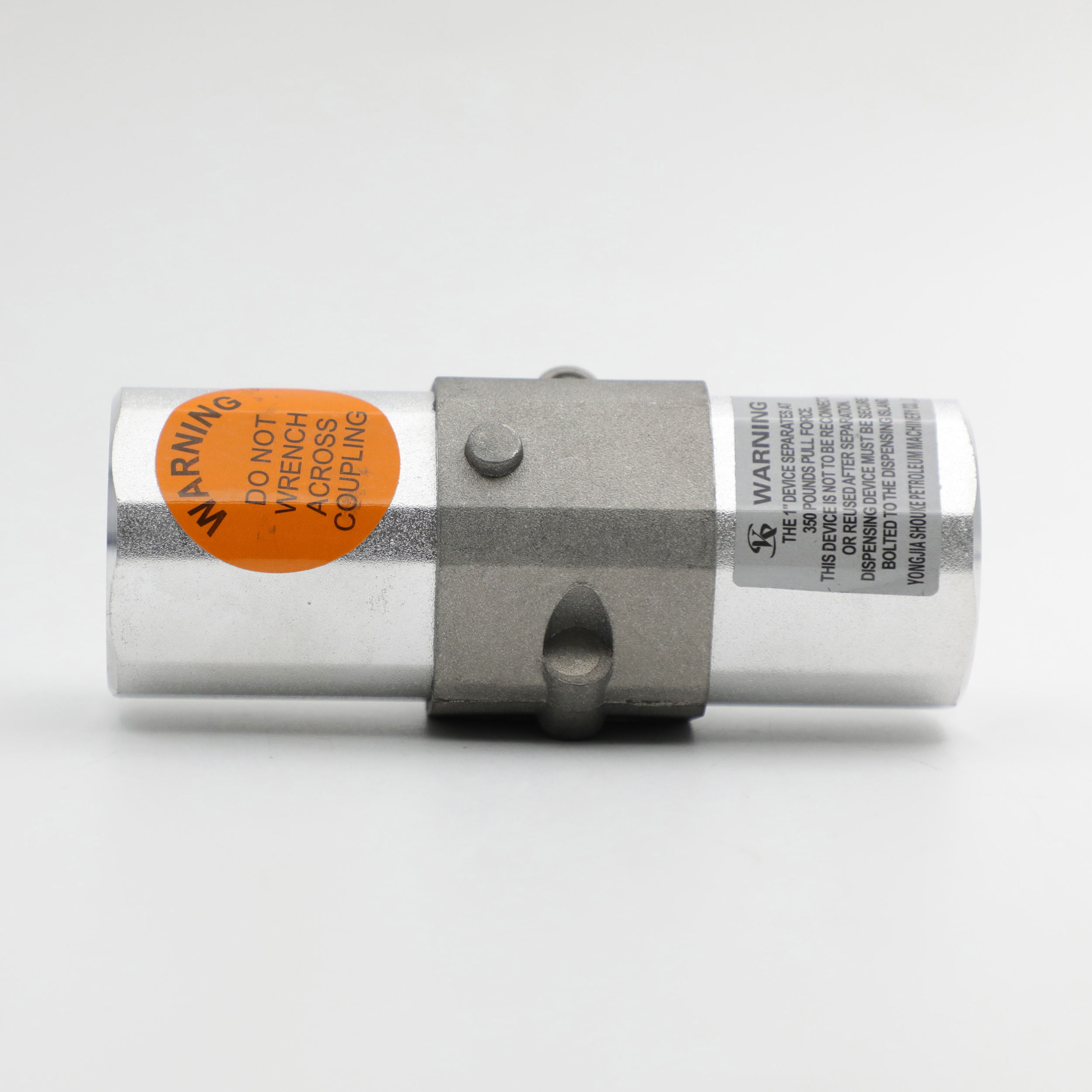
Drive-off incidents remain an unavoidable operational reality at modern fueling stations. Drivers inevitably forget to return the nozzle before speeding away, putting your equipment at immense risk. While you cannot entirely prevent this human error, you can completely prevent catastrophic fuel spills and prolonged pump downtime. The breakaway valve acts as the ultimate fail-safe between the dispenser and the distracted customer. When this vital component fails or jams, operators face immediate environmental hazards, costly structural repairs, and severe safety liabilities.
Selecting the right valve type and executing proper placement protocols minimizes these daily risks. Proper installation ensures regulatory compliance and protects expensive fueling infrastructure from permanent damage. In this guide, you will learn how to optimize valve placement, evaluate equipment types, and implement standardized post-incident recovery procedures to keep your station running safely.
Key Takeaways
Placement dictates performance: Proper positioning relative to the whip hose and swivel prevents line binding and ensures correct separation angles.
Economics favor reconnectable models in high-risk zones: While single-use models have lower upfront costs, reconnectable variants significantly reduce revenue-loss downtime following a drive-off.
Incident recovery requires holistic inspection: Reattaching or replacing a separated unit without inspecting the entire hanging hardware assembly risks secondary failures.
Compliance is non-negotiable: Replacements must meet specific pull-force thresholds (e.g., UL 567) to remain compliant with local fire codes and NFPA 30A.
The Operational Impact of Breakaway Failures
A breakaway valve serves a singular, critical purpose in your fueling infrastructure. It mitigates risk during a drive-off by safely separating under mechanical stress. The separation protects the heavier, more expensive dispenser components from structural damage.
Understanding Risk Mitigation
Modern breakaway devices feature a dual-poppet design. They separate at a precisely designated pull force. This threshold typically ranges between 200 and 350 pounds, depending on the hose diameter. Once the separation force is reached, the unit snaps apart. Instantly, internal check valves slam shut on both sides. This mechanism seals both ends of the severed fuel line. It traps the fuel inside, completely preventing hazardous, high-volume environmental spills on your forecourt.
The Hidden Cost of Incompatibility
Using mismatched hardware introduces severe financial and safety risks. Station operators sometimes install valves rated for lower flow rates onto high-volume truck dispensers. This restricts flow rates drastically, frustrating customers and slowing down lane turnover. Worse, improper installation or incompatible threading can cause the valve to seize. If the unit fails to separate during a drive-off incident, the vehicle will rip the entire dispenser off its mounting island. This turns a minor hardware replacement into a massive construction project.
Liability and Insurance Prerequisites
Maintaining proper safety hardware directly affects your business liability. Insurance providers mandate strict adherence to safety protocols. Documented, compliant breakaway implementation is often a prerequisite for maintaining favorable liability insurance premiums. If an investigator discovers a bypassed or illegally modified breakaway device after an accident, insurance companies will likely deny the resulting environmental cleanup claims.
Best Practice: Keep a dedicated maintenance log for all breakaway inspections. Document the exact model, installation date, and compliance rating for every pump.
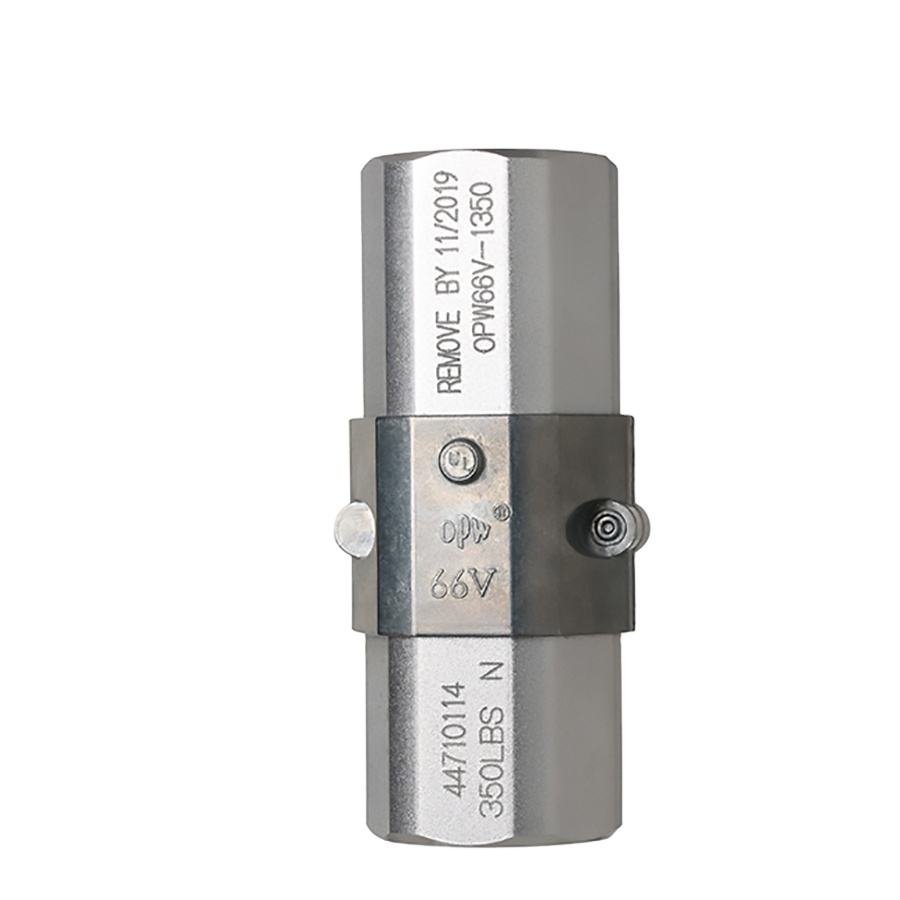
Determining Optimal Breakaway Placement on the Dispenser
Where you place the breakaway valve dictates how effectively it performs. Incorrect positioning alters the physics of a drive-off. This can prevent the device from snapping apart at the engineered force threshold.
High-Hose vs. Low-Hose Configurations
You must evaluate the structural physics of your specific dispenser setup. High-hose configurations generally utilize retractor systems. These systems suspend the hardware above the customer. Low-hose configurations drop directly from the dispenser body. The breakaway device should sit in a location guaranteeing a straight-line pull during a drive-off. If the vehicle pulls at a sharp angle, the device might bind instead of separating.
Whip Hose Sizing Requirements
Industry standards require a short whip hose between the dispenser and the breakaway device. This implementation absorbs initial vibrations and ensures proper alignment. The whip hose typically measures between 9 to 12 inches in length. A whip hose that is too long will allow the breakaway to drag. A whip hose that is too short restricts necessary movement.
Integration with the Coupling and Swivel
You must place the breakaway in correct proximity to the coupling and swivel. This relationship reduces torque across the hanging hardware. When a customer maneuvers the nozzle, the swivel allows free rotation. This prevents the fuel line from twisting. Excessive twisting creates mechanical binding, which could otherwise alter the required separation force of the breakaway device.
Clearance Requirements for Customer Safety
Ensure your placement prevents the device from striking the ground during normal customer handling. Repeated impacts against the concrete pump island will dent the casing. These micro-impacts damage internal O-rings and weaken the shear pins. Position the valve high enough to remain suspended, but low enough to maintain the required straight-line pull geometry.
Single-Use vs. Reconnectable Breakaways: Evaluating Suitability
Selecting the right breakaway technology impacts your long-term maintenance strategy. You must weigh upfront expenditures against potential revenue lost during pump downtime.
Single-Use (Shear Pin) Breakaways
Single-use models rely on mechanical shear pins. These pins intentionally break when subjected to specific pulling forces.
Pros: They offer lower initial capital expenditure. The design is incredibly simple and tamper-evident. If it separates, you know immediately that a severe drive-off occurred.
Cons: You must completely replace the unit after every separation. This requires calling a certified technician for safe installation. Consequently, your pump experiences longer downtime, leading to lost fuel sales.
Reconnectable (Magnetic/Spring-Loaded) Breakaways
Reconnectable variants utilize strong industrial magnets or spring-loaded retention systems. They snap apart cleanly and can be snapped back together.
Pros: They guarantee a rapid return to service. Trained on-site staff can safely reassemble them in minutes. This drastically lowers long-term replacement costs in locations suffering high-incident drive-off rates.
Cons: They require a higher initial unit cost. Reconnection requires strict adherence to inspection protocols. If dirt enters the mechanism before reconnection, internal seals become permanently compromised.
Decision Matrix
Guide your final decision based on site traffic volume, historical drive-off frequency, and local maintenance response times. Rural stations with long technician dispatch times benefit heavily from reconnectable models.
Breakaway Valve Selection Matrix
| Feature Category | Single-Use (Shear Pin) | Reconnectable (Magnetic) |
| Upfront Cost | Low | High |
| Post-Incident Downtime | High (Requires technician) | Low (Staff can reconnect) |
| Ideal Location | Low-traffic, low-risk stations | High-traffic, busy truck stops |
| Maintenance Needs | Complete replacement required | Strict visual inspection needed |
Standardized Replacement and Reconnection Protocols
Incident recovery demands strict discipline. Attempting to rush a pump back into service often leads to secondary spills or equipment failures.
Immediate Post-Incident Actions
When a drive-off occurs, immediately shut down the affected dispenser. Bag the nozzle to prevent further customer access. Visually verify that the internal check valves inside the separated breakaway have successfully sealed the line. Wipe down the exposed ends to check for slow weeping leaks.
Executing a Hardware Integrity Audit
Before addressing the breakaway itself, mandate a thorough inspection of the entire hanging assembly. A violent drive-off stresses every connected component.
Inspect the fuel nozzle for hairline stress fractures, particularly near the spout and handguard.
Examine the primary fuel hose for unnatural stretching, bulging, or structural braiding damage.
Check the dispenser casting where the whip hose connects for pulled threads.
If you ignore these components, you risk secondary failures when the system re-pressurizes.
Safe Replacement Execution
Replacing a single-use breakaway requires precision. Follow these steps to ensure safety and compliance:
Depressurize the line: Always relieve line pressure before unthreading the broken device. Have spill buckets ready to catch residual fuel.
Apply correct thread sealant: Use approved, fuel-resistant liquid thread sealant. Avoid standard PTFE tape. PTFE tape can shred during installation, sending debris into the line that clogs sensitive check valves.
Follow torque specifications: Use two wrenches to secure the fitting. Apply the manufacturer's recommended torque. Over-tightening cracks the housing; under-tightening causes vapor leaks.
Reconnection Risks for Reusable Models
Never bypass safety checks on reconnectable models. A visual inspection of the O-rings and mating surfaces is mandatory before snapping the unit back together. Even a single grain of sand on the magnetic surface will compromise the seal. Clean both faces thoroughly with a lint-free cloth. Lubricate the O-rings lightly with approved grease. Push the halves together firmly until they lock audibly into place.
Shortlisting Criteria and Compliance Validation
Sourcing replacement valves requires careful attention to industry standards. Not all breakaway devices function safely across all fuel types and flow rates.
Certification Standards
Verify that shortlisted units carry necessary regulatory approvals. Look for UL 567 certification, which governs emergency breakaway fittings for petroleum products. Adherence to PEI RP400 recommended practices ensures proper testing protocols. Devices must also align with NFPA 30A codes to satisfy local fire marshal inspections.
Chemical Fuel Compatibility
Different fuels aggressively degrade internal rubber seals. Differentiate models based on the fuel they dispense. Standard unleaded fuel requires standard Nitrile or Viton seals. However, ultra-low sulfur diesel (ULSD), ethanol blends like E85, and biodiesel require highly specialized polymer compounds. Using a standard valve on an E85 pump will cause the internal seals to swell, degrade, and eventually leak.
Flow Rate Matching
Ensure the breakaway's internal diameter matches the dispenser’s output capacity to prevent severe bottlenecking. Standard consumer gasoline pumps typically operate at 10 gallons per minute (GPM) and utilize 3/4-inch fittings. High-volume truck stops push up to 40 GPM and require massive 1-inch or larger devices. Installing a 3/4-inch valve on a truck dispenser creates massive backpressure, causing premature nozzle shut-offs.
OEM vs. Aftermarket Considerations
Station owners often weigh the reliability guarantees of Original Equipment Manufacturer (OEM) equipment against certified aftermarket alternatives. OEM parts guarantee exact fitment and maintain dispenser warranties. Certified aftermarket alternatives offer substantial cost savings. If you choose aftermarket, verify they hold the exact same UL certifications as the OEM counterparts.
Conclusion
An effective breakaway strategy requires balancing upfront investment, operational risk management, and strict maintenance discipline. These fail-safe devices are the ultimate barrier between a simple customer mistake and a devastating environmental spill. You must choose hardware matched precisely to your traffic patterns, fuel types, and hose configurations.
We highly recommend conducting a proactive site audit this week. Log the age, type, and physical condition of all hanging hardware at your station. Check for dragging hoses and dented casings. Establishing a clear baseline for future replacement cycles ensures your equipment remains compliant, safe, and ready to perform when the inevitable drive-off occurs.
FAQ
Q: How often should a breakaway be preemptively replaced?
A: Most manufacturers recommend preemptive replacement every three to five years, even without a drive-off incident. Environmental wear factors like UV exposure, extreme temperature fluctuations, and continuous internal fluid pressure eventually degrade the internal O-rings and weaken mechanical shear pins. Always consult your specific manufacturer's warranty guidelines for exact timelines.
Q: Can I legally rebuild a single-use breakaway device?
A: No. Attempting to rebuild or field-repair a single-use, shear-pin breakaway violates UL 567 certifications and NFPA 30A fire codes. Rebuilding these devices voids all manufacturer warranties and transfers full liability for any future spills directly to your business. Always discard and replace separated single-use models.
Q: What is the standard pull-force required for separation?
A: Standard passenger vehicle dispensers typically require a separation force between 200 and 350 pounds. This threshold varies based on hose diameter and application. Heavy-duty truck stops utilizing 1-inch diameter hoses often utilize breakaways requiring higher pull forces to accommodate the heavier, stiffer hanging hardware.
Q: Why did my breakaway fail to separate during a drive-off?
A: Breakaways usually fail due to improper installation geometry. Common culprits include binding swivels, incorrect installation angles, or missing whip hoses. If the vehicle pulls the hose at a sharp angle rather than a straight line, the device binds. Bypassed maintenance and heavy corrosion also prevent the internal mechanisms from releasing smoothly.


