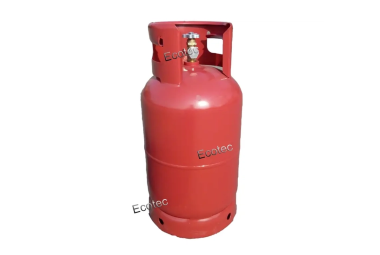
Liquefied Petroleum Gas (LPG) is a versatile and widely used fuel that powers homes, businesses, and even vehicles. It’s an essential part of everyday life, providing energy for cooking, heating, and industrial applications. However, with its flammable nature, LPG comes with certain risks that need to be managed carefully. Ensuring safety when handling and using LPG cylinders is critical to prevent accidents, leaks, or other hazardous situations.
As a leading provider of LPG equipment and safety solutions, ZHEJIANG Ecotec Energy Equipment Co., Ltd. prioritizes safety in the design and manufacturing of LPG cylinders and dispensers. In this article, we will explore essential safety precautions that everyone should follow when using LPG cylinders, whether at home or in a business setting. From proper storage and handling to emergency response, these guidelines will help ensure a safe experience when using LPG.
What is Liquefied Petroleum Gas (LPG)?
LPG is a hydrocarbon-based fuel that comes in the form of a liquid under pressure and is commonly used for heating, cooking, and powering certain appliances. It is typically stored in steel or aluminum cylinders and can be used in both residential and commercial applications. When the liquid gas is released from the cylinder, it quickly vaporizes and becomes gas, which can then be used to fuel a variety of devices, such as cookers, water heaters, and even industrial machinery.
Due to its highly flammable nature, handling LPG cylinders with care is essential to avoid dangerous situations. Let’s dive into the most important safety precautions that should be followed when using LPG cylinders.
Essential Safety Precautions for Using LPG Cylinders
1. Proper Storage of LPG Cylinders
The way you store your LPG cylinders can significantly impact their safety. Cylinders should always be stored in a well-ventilated, dry, and cool area, away from sources of heat, direct sunlight, and open flames. Storing LPG cylinders in a confined or poorly ventilated space can lead to a buildup of gas in case of a leak, posing a serious fire hazard.
Avoid storing cylinders indoors: Ideally, LPG cylinders should be kept outdoors or in a ventilated area with proper drainage. If storing cylinders indoors, make sure the space is well-ventilated and meets local fire safety codes.
Keep cylinders upright: Always store LPG cylinders in an upright position to ensure that the valve is not damaged and to prevent leaks.
Check for leaks: Before storing or using any cylinder, inspect the valve and cylinder body for signs of damage or wear.
2. Handling LPG Cylinders Safely
Handling LPG cylinders requires caution to prevent accidents and ensure safety. Improper handling can result in leaks, burns, or explosions. Here are some tips to keep in mind when handling LPG cylinders:
Do not drop or roll cylinders: Dropping or roughly handling an LPG cylinder can cause damage to the valve, leading to dangerous leaks. Always move cylinders gently and with care.
Use appropriate lifting equipment: If a cylinder is too heavy to lift manually, use lifting equipment such as a trolley or forklift to move it safely.
Never tamper with the valve: The valve is a crucial part of the LPG cylinder. Never attempt to repair, replace, or modify the valve yourself. If the valve is damaged, contact a professional for assistance.
3. Checking for Gas Leaks
Leaks in LPG cylinders can be extremely dangerous, as even a small leak can lead to fire or explosion. Before and after using an LPG cylinder, it is important to check for leaks to ensure safety.
Use soapy water to check for leaks: To check for leaks, apply soapy water to the cylinder’s valve and fittings. If you see bubbles forming, there is a leak, and you should immediately close the valve and contact a professional to inspect and repair the cylinder.
Install gas detectors: For added safety, especially in larger facilities or homes, consider installing gas detectors that will alert you to the presence of any gas leaks. These devices can help detect leaks early before they turn into a major issue.
4. Proper Connection and Disconnection of the Cylinder
When connecting or disconnecting LPG cylinders to appliances, it’s essential to follow the proper procedure to avoid accidents.
Turn off the appliance and cylinder valve: Always turn off the valve of the cylinder and the appliance before connecting or disconnecting. This helps prevent gas from escaping during the process.
Ensure a tight connection: When connecting the cylinder to an appliance, ensure that the connections are tight and secure to prevent leaks. Use the appropriate wrench or tool to tighten the connection, but avoid over-tightening, which could damage the fittings.
5. Using LPG Cylinders in Well-Ventilated Areas
LPG is a highly flammable gas, and using it in a poorly ventilated space can result in a buildup of gas in the air. Always use LPG cylinders in well-ventilated areas to avoid the risk of asphyxiation or fire.
Ensure proper airflow: If you are using LPG cylinders for cooking or heating, make sure the area is well-ventilated to allow any excess gas to dissipate safely.
Install ventilation systems: In commercial applications, ensure that there are proper ventilation systems in place to reduce the concentration of LPG in the air.
6. Regular Inspection and Maintenance
Regular maintenance and inspections of LPG cylinders are vital to ensuring their continued safety and functionality. Over time, cylinders can experience wear and tear, and faulty valves or regulators can lead to dangerous situations.
Inspect cylinders periodically: Check for signs of corrosion, dents, or damage to the cylinder body. If any of these issues are present, do not use the cylinder and contact a professional to inspect and repair it.
Check the valve and regulator: Regularly inspect the valve and regulator for leaks and signs of wear. Ensure that the regulator is functioning correctly and replace it if necessary.
7. Know How to Respond in Case of an Emergency
Despite all precautions, accidents can still happen. It is important to know how to respond in the event of an LPG leak or other emergencies.
In case of a leak, turn off the valve: If you suspect a leak, immediately turn off the cylinder valve and evacuate the area. Do not attempt to fix the leak yourself unless you are trained to do so.
Evacuate the area and call for help: If you are unable to control the leak or if the leak is large, evacuate the area immediately and call your local fire department or emergency services for assistance.
Conclusion
Using LPG cylinders safely is crucial for maintaining a secure environment at home or in the workplace. By following these essential safety precautions, you can reduce the risk of accidents, improve your equipment’s lifespan, and ensure the safe use of LPG cylinders. Regular inspection, proper storage, and correct handling are essential practices that all businesses and homeowners must implement to prevent gas leaks, fire, or explosions.
At ZHEJIANG Ecotec Energy Equipment Co., Ltd., we are committed to providing LPG cylinders and filling equipment designed with safety, reliability, and durability in mind. Our products meet the highest safety standards, ensuring that you can safely and efficiently use LPG for your energy needs.
FAQ
Q: How can I safely store LPG cylinders?
A: Store LPG cylinders in a cool, dry, and well-ventilated area, away from direct sunlight and heat sources. Ensure that the cylinders are stored upright and that the area is free from any open flames.
Q: How can I check if my LPG cylinder is leaking?
A: Use soapy water to check for leaks around the valve and fittings. If bubbles form, there is a leak. Immediately close the valve and contact a professional for inspection.
Q: Can I use LPG cylinders indoors?
A: While it’s possible to use LPG cylinders indoors, ensure that the area is well-ventilated and that the appliance is suitable for indoor use. Always follow safety guidelines for indoor LPG use.
Q: How often should I inspect my LPG cylinder?
A: It’s important to inspect your LPG cylinder regularly for signs of damage or corrosion. Ensure that the valve, regulator, and fittings are in good condition and replace them if necessary.


