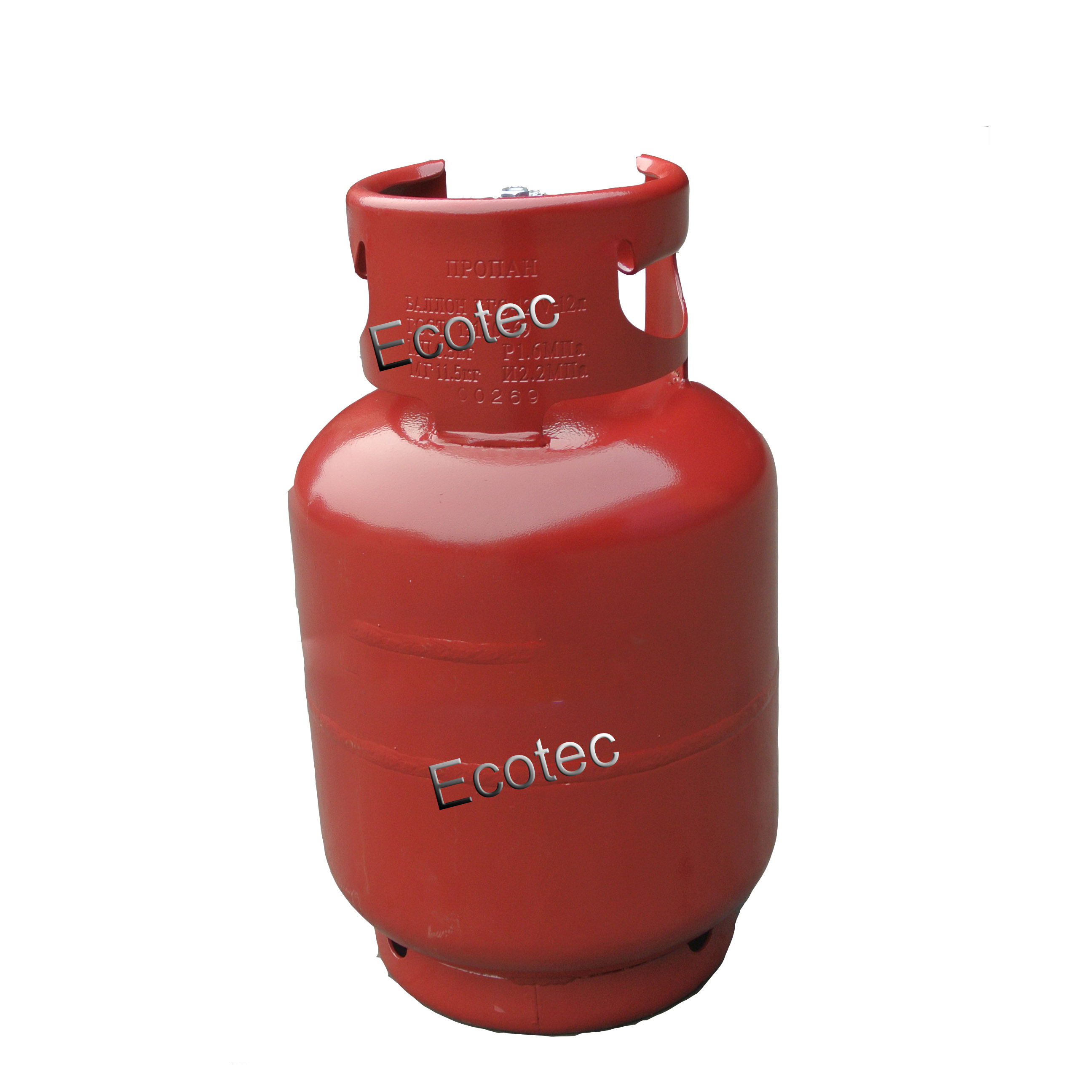
Regional LPG distribution operates in a highly demanding environment where the margin for error remains virtually nonexistent. Equipment failures or unexpected supply chain bottlenecks immediately threaten operational margins. They also compromise end-user safety and severely damage your brand reputation. You must not treat this sourcing decision as a simple commodity purchase. Instead, view it as a critical risk management strategy and a major infrastructure investment. Subpar equipment often leads to catastrophic leaks or incredibly costly fleet recalls.
Our objective is to provide you with an evidence-based framework for evaluating manufacturing partners. We will help you ensure strict regulatory compliance across your entire distribution network. You will learn how to stabilize unit costs while guaranteeing absolute supply continuity year-round. This guide covers everything from navigating international compliance standards to executing practical factory audits. We equip procurement teams to make highly informed decisions. You can confidently secure reliable partnerships to support sustainable, long-term regional growth.
Key Takeaways
Safety and Compliance First: Procurement must start with verified adherence to regional and international standards (e.g., ISO, DOT, TPED) to mitigate liability.
Total Landed Cost Over Unit Price: True ROI in bulk sourcing factors in freight, container optimization, tariffs, and defect replacement rates.
Scalability Predicts Reliability: A supplier’s raw material inventory and production elasticity determine your ability to meet peak winter or seasonal demand.
Auditable Supply Chains: Legitimate partners provide transparent metallurgical reports, third-party testing data, and structured factory audits.
Defining Success Criteria in LPG Cylinder Wholesale Sourcing
You cannot evaluate a manufacturer simply by looking at the bottom-line price. When entering the LPG Cylinder Wholesale market, you must clearly align equipment features directly with your specific business outcomes. Minor differences in manufacturing specifications generate massive downstream impacts. For instance, a slight reduction in tare weight drastically lowers fuel consumption for your delivery trucks over millions of miles. High-quality valves prevent micro-leaks, directly preserving your valuable gas inventory. Superior powder coating durability stops early rust formation. This keeps your assets in profitable circulation much longer and reduces the frequency of mandatory refurbishments.
We must also acknowledge the devastating financial cost of stock-outs. Delayed shipments during peak winter seasons paralyze regional distributors. If you lack adequate inventory to fulfill heating demands, commercial clients will immediately switch to competitors. The revenue lost from a single major commercial account easily eclipses the savings gained from buying cheaper, unreliable equipment. You need suppliers who deliver precisely on time.
Evaluating the financial stability of your manufacturing partner remains just as critical. You are building a three-to-five-year operational strategy. Ask about their capitalization and raw material purchasing power. Suppliers holding massive bulk steel contracts easily weather global commodity price fluctuations. They pass this price stability down to you. Undercapitalized factories will abruptly hike prices mid-contract or halt production entirely when global steel prices spike. Financial vetting guarantees long-term pricing predictability.
Cylinder Features vs. Business Outcomes
Manufacturing Feature
Operational Impact
Long-Term Business Outcome
Optimized Tare Weight
Reduces payload weight on delivery vehicles.
Lowers fleet fuel costs and reduces vehicle wear.
Premium Valve Integration
Prevents micro-leaks during transport and storage.
Preserves gas inventory and boosts customer trust.
Advanced Powder Coating
Resists UV damage, chipping, and rust formation.
Extends asset lifespan and lowers refurbishment costs.
Custom Shroud Embossing
Permanently marks ownership onto the metal.
Deters asset theft and improves brand visibility.
Navigating Compliance: Non-Negotiable Safety and Manufacturing Standards
Safety compliance serves as the absolute baseline for any procurement conversation. Global and regional mandates dictate specific manufacturing parameters. You must thoroughly understand the exact certifications required for your target markets. For example, ISO 4706 remains a widely accepted international standard for refillable welded steel cylinders. However, if you distribute in North America, you strictly need DOT-4BA certification. European markets heavily rely on EN 1442. Purchasing equipment without the correct regional stamps instantly invalidates your insurance policies and opens your company to massive legal liability.
Material traceability acts as your primary defense against catastrophic equipment failures. You must demand original mill test certificates for all raw steel or composite materials used in your orders. These documents verify the exact chemical composition and tensile strength of the metal. If a manufacturer cannot instantly produce these certificates, you must walk away. Counterfeit or low-grade steel easily succumbs to internal pressure, leading to deadly ruptures. Traceability ensures every single unit traces back to a verified, high-quality material batch.
Robust quality assurance protocols separate elite manufacturers from risky budget operations. You should closely evaluate the supplier's in-house testing methods. Look for strict adherence to World Liquid Gas Association (WLGA) best practices for manufacturing and distribution. Outstanding factories employ a multi-layered testing approach.
Hydrostatic Testing: They fill the unit with water and pressurize it far beyond standard operating limits to verify structural integrity and check for microscopic leaks.
Radiographic Weld Inspection: They use X-ray technology to look deep inside the weld seams, searching for hidden porosity, slag inclusions, or incomplete penetration.
Burst Testing: They randomly pull units from the production line and intentionally pressurize them until they explode. This validates the ultimate failure threshold and ensures safety margins hold true.
Evaluating Scalability for Consistent Bulk LPG Gas Bottle Supply
Securing a consistent LPG Gas Bottle Supply requires evaluating a factory's true operational scalability. Many buyers make the mistake of trusting a manufacturer's theoretical maximum capacity. Theoretical capacity assumes the factory runs twenty-four hours a day without any machine maintenance, staff shortages, or material delays. You must distinguish this fantasy number from their realistic, SLA-backed delivery capabilities. Ask them for their actual historical output data. A reliable partner guarantees a specific monthly volume written directly into your Service Level Agreement.
Lead time elasticity represents another vital evaluation metric. Regional distribution often faces unforeseen market shifts or localized demand spikes. Perhaps an unexpected cold front sweeps through your region, or a local competitor suddenly goes out of business. You need to know how the supplier handles surge orders. Do they hold buffer stocks of raw materials? Can they quickly add a third production shift? Assess their agility. Suppliers operating at maximum capacity during normal months have zero room to help you during an emergency.
Customization and tooling capabilities also impact delivery timelines. Regional branding requires specific physical modifications. You will likely need custom embossing on the shrouds, specific corporate powder coating colors, and specialized valve thread integration. Inferior factories often quote massive delays for these modifications because they outsource the tooling. Elite partners handle custom mold creation and specialized painting directly in-house. They execute complex branding requirements without disrupting the primary production schedule.
Analyzing Logistics and Landed Costs
Procurement teams often fixate entirely on the Ex-Works price. This initial factory-gate price tells only a fraction of the story. You need a comprehensive framework for calculating the actual landed cost per cylinder. Landed cost incorporates ocean freight, insurance premiums, port handling fees, inland transportation, and customs clearance. A factory might offer a phenomenally low unit price, but if their geographical location requires expensive multi-modal transport just to reach a seaport, your actual costs will skyrocket.
Container yield optimization plays a massive role in reducing freight expenses. The physical dimensions, packaging methods, and overall tare weight dictate how many units fit into a standard 40-foot High Cube (40HQ) container. Manufacturers offer different loading methods. Floor loading maximizes the total unit count per container, driving down the freight cost per unit. However, it significantly increases manual labor costs when unloading at your regional depot. Conversely, palletized loading reduces the container yield but allows your forklift operators to empty the container in minutes. You must calculate which method yields the highest overall financial efficiency for your specific warehousing setup.
You also need clear strategies for mitigating tariff fluctuations and port delays. Import duties vary wildly based on the country of origin. Evaluate the geographic location of the supplier against your country’s current trade agreements. Sourcing from certain nations might trigger heavy anti-dumping tariffs. Furthermore, review the supplier's export history. Experienced exporters maintain excellent relationships with freight forwarders and customs brokers. They quickly generate accurate commercial invoices, packing lists, and certificates of origin. Flawless paperwork prevents your containers from sitting idle at the port racking up expensive demurrage charges.
The Shortlisting Framework: How to Audit Your Sourcing Partner
Auditing potential partners prevents costly mistakes. You need a structured, objective process to filter out unreliable factories. Do not rely on slick marketing brochures. Instead, force suppliers through a rigorous four-step vetting protocol. This framework separates professional operations from risky ventures.
The Documentation Audit: Demand verifiable third-party inspection reports. You want to see recent audits from internationally recognized bodies like SGS, TUV, or Bureau Veritas. Verify their ISO 9001 quality management certificates independently. If a factory hesitates to share these documents or provides expired certificates, immediately remove them from your shortlist.
The Pilot Order Protocol: Never sign a multi-year contract without structuring a trial run first. Place a small pilot order to test multiple variables simultaneously. Observe their communication speed. Inspect the packaging durability upon arrival. Most importantly, track their actual shipping timelines against their initial promises. A pilot order reveals the true customer experience.
Site Visits and Virtual Audits: You must inspect the factory floor, either in person or via a live video walkthrough. Focus on specific key areas. Check the weld automation consistency. Are robots performing the critical seams, or do they rely on manual labor? Inspect the paint line curing processes. If the ovens run too cold, the powder coating will flake off within months. Finally, demand a demonstration of their testing lab equipment to ensure they actively calibrate their pressure gauges.
Contract Structuring: Lock in your protections formally. Define the acceptable defect rates clearly within the master agreement. Outline the exact warranty claim processes. Specify whether they will replace defective units or issue direct financial credits. Finally, enforce strict late-delivery penalties. If their delay causes you to miss a seasonal sales window, the contract must hold them financially accountable.
Executing this framework requires patience, but it guarantees you partner with a manufacturer capable of supporting your long-term success.
Conclusion
Successful bulk sourcing ultimately demands a careful balance. You must weigh upfront unit costs against long-term reliability and active risk mitigation. Purchasing the cheapest available equipment almost always hides compounding logistical headaches, massive compliance liabilities, and brand-damaging safety failures. A strategic approach treats procurement as an investment in operational stability. By enforcing strict compliance standards, verifying production scalability, optimizing container logistics, and conducting rigorous factory audits, you secure a highly resilient supply chain.
Do not wait until your current inventory depletes to start this evaluation process. Your next-step action is to engage your shortlisted suppliers today. Encourage your procurement team to request detailed technical specification sheets from prospective factories. Schedule a preliminary capacity consultation to kick off the documentation audit. Proactive vetting today ensures flawless distribution tomorrow.
FAQ
Q: What is the standard Minimum Order Quantity (MOQ) for custom-branded LPG cylinders?
A: Standard MOQs typically revolve around container load math for maximum cost efficiency. Most reputable manufacturers require at least one 40-foot High Cube (1x40HQ) container. Depending on the exact dimensions of the units and the chosen packing method (palletized versus floor-loaded), a single 40HQ holds roughly 1,000 to 1,500 standard domestic cylinders. Ordering full containers ensures you absorb freight costs efficiently.
Q: How long does it typically take to fulfill a wholesale order of LPG cylinders?
A: A realistic timeline spans 45 to 90 days. Raw material sourcing and factory scheduling usually consume 15 to 25 days. Actual production, including custom embossing and powder coating, takes another 15 to 20 days. Finally, ocean transit times add 15 to 45 days, depending on the distance between the export port and your regional distribution hub.
Q: What warranties should I expect from a reputable LPG cylinder manufacturer?
A: Elite manufacturers generally provide robust warranties covering distinct components. You should expect a minimum of five to ten years of coverage against structural manufacturing defects, including catastrophic weld failures. Additionally, look for a one-to-three-year warranty protecting against premature powder coating failure, rust formation, and specialized valve malfunctions under normal operating conditions.
Q: Can I request third-party quality inspections before shipment?
A: Yes, this remains an industry-standard best practice. You can easily hire independent agencies like SGS or Bureau Veritas to visit the factory before the containers are sealed. They conduct pre-shipment inspections, verify unit counts, check custom branding requirements, and witness random burst testing. You simply coordinate this requirement within your initial purchase contract.
Zhejiang Ecotec Energy Equipment Co., Ltd. is a professional manufacturer of gas station equipment, can offer customer complete solution from design to after-sales service with good price and quality.