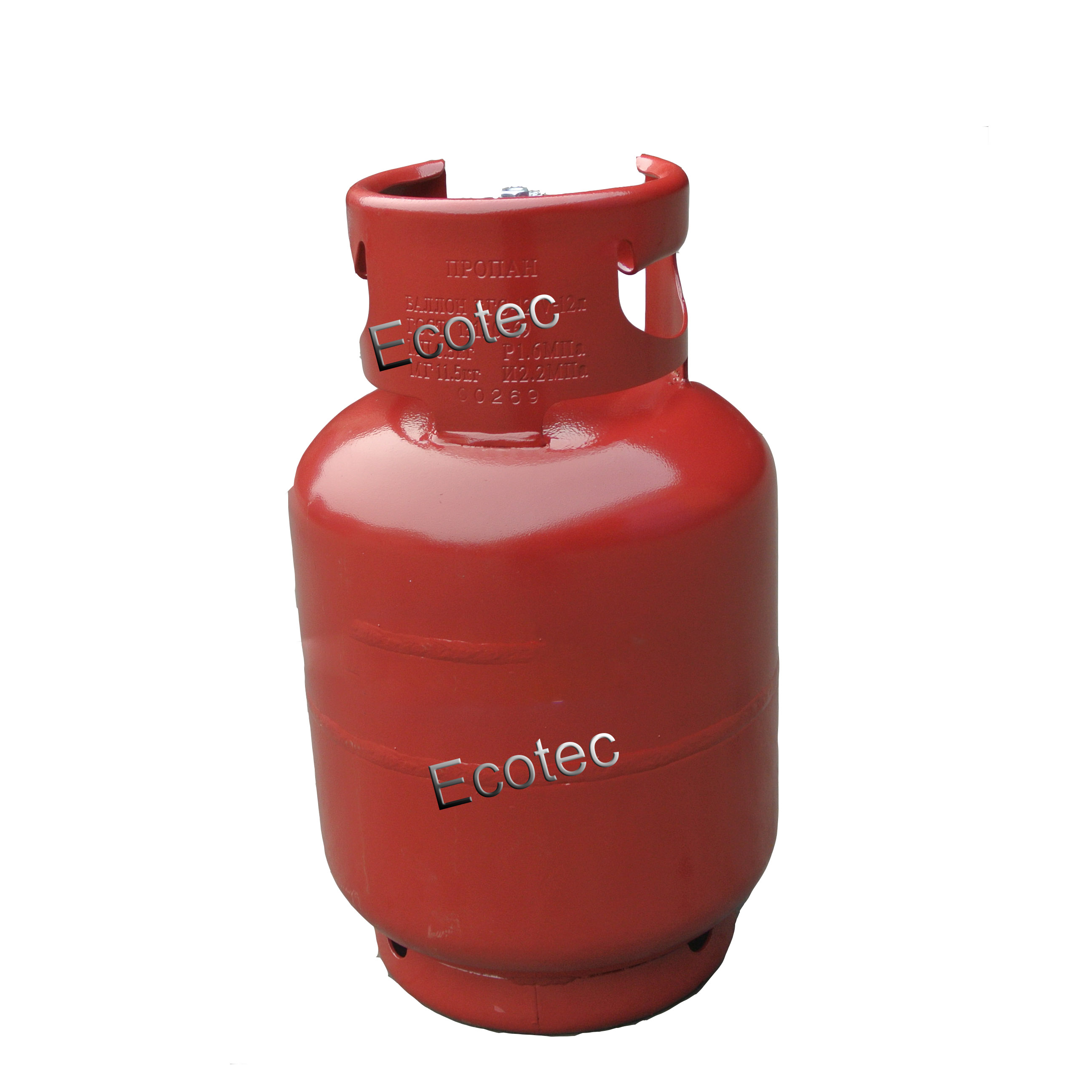
Procuring domestic cooking gas units carries incredibly high stakes. Energy distributors face a major operational challenge today. You must balance upfront procurement costs against severe liability risks. Safety and brand reputation also hang in the balance. A single catastrophic failure can easily erase years of steady business growth.
Procurement managers and buyers navigate a complex global landscape. You must evaluate varying manufacturing standards carefully. Buyers face diverse material choices and fluctuating supplier reliability. Sourcing a safe, compliant container requires rigorous technical vetting. You cannot simply award contracts to the lowest bidder.
This guide provides a strict evaluation framework. We will help you identify reliable manufacturing partners globally. You will learn how to ensure absolute regulatory compliance. We outline strategies to optimize lifecycle return on investment for large deployments. Following these guidelines ensures you secure robust assets. These assets will protect consumers and your bottom line.
Key Takeaways
Material Matters: The choice between traditional welded steel and modern composite cylinders directly impacts logistics, user adoption, and maintenance cycles.
Compliance is Non-Negotiable: Procurement must be gated by verifiable adherence to international standards (e.g., ISO, EN, DOT) and rigorous batch testing.
Hidden TCO Factors: Cheaper upfront cylinders often result in higher long-term costs due to premature rusting, valve failures, and shorter re-certification intervals.
Supplier Transparency: Shortlisting should prioritize manufacturers that offer transparent factory audits, third-party inspection reports, and traceable raw material sourcing.
The Business Impact of LPG Cylinder Quality: Beyond the Unit Price
Quality variations in a LPG Cylinder cascade through your entire business model. Evaluating quality requires looking far beyond the initial invoice price.
Risk Mitigation vs. Cost Savings
Defective cylinders inevitably lead to catastrophic safety failures. Gas leaks cause explosions, property damage, and tragic loss of life. These failures trigger costly product recalls. Regulatory bodies impose heavy fines for compliance breaches. You face severe legal liabilities when substandard units enter the market. Proper risk mitigation requires prioritizing structural integrity over marginal cost savings. Cheap units cost far more when litigation arises.
Brand Trust & End-User Adoption
End-consumers judge your brand by the physical container. Physical durability strongly influences user adoption rates. Customers actively reject heavily rusted or dented containers. A clean, robust exterior signals safety and reliability. Aesthetic longevity matters just as much as functional safety. A premium-looking cylinder builds unshakeable brand trust. Households feel safer storing visually pristine units indoors.
Operational Efficiency
Inconsistent unit quality disrupts daily plant operations. Standardized tare weights streamline automated filling carousels. Variances in weight cause frequent machine recalibrations. Standardized valve fittings eliminate connection bottlenecks entirely. Smooth filling operations rely on predictable hardware. Standardized fleets reduce manual handling errors. Your operational efficiency improves dramatically when specifications remain uniform across batches.
Common Mistake: Treating cylinders purely as consumable commodities rather than long-term infrastructure assets. This mindset invariably leads to poor vendor selection.
Evaluating Material Categories: Steel vs. Composite Cylinders
You must evaluate material options carefully based on regional requirements. Each material category offers distinct operational advantages and specific logistical drawbacks.
Welded Steel Cylinders
Welded steel remains the undisputed industry standard globally.
Pros: Steel offers a significantly lower initial procurement cost. These units are highly durable. They withstand blunt impacts and rough handling exceptionally well. Local repair facilities easily service steel units.
Cons: Steel is highly susceptible to corrosion. High humidity accelerates rust formation. Steel has a heavier tare weight. This weight increases transport costs per trip. You must schedule periodic repainting and surface refurbishment.
Fiberglass/Composite Cylinders
Composite materials represent the next generation of gas storage.
Pros: Composite units are extremely lightweight. They offer superior ergonomics for domestic users. The material is completely non-corrosive. Translucent walls provide visible gas levels. They boast superior BLEVE (Boiling Liquid Expanding Vapor Explosion) resistance.
Cons: They require higher initial capital expenditure. Composites demand specific handling requirements during transit. Potential UV degradation occurs if manufacturers skip anti-UV treatments.
Decision Matrix
You should map your material choice to specific market climates. High humidity or coastal areas strongly favor composite options. Arid regions handle steel much better. Evaluate your distribution model before deciding.
Evaluation Criteria
Welded Steel
Fiberglass/Composite
Initial Procurement Cost
Low to Medium
High
Corrosion Resistance
Poor (requires paint)
Excellent
Tare Weight
Heavy
Lightweight
BLEVE Resistance
Standard
Superior
Ideal Climate
Dry / Inland
Coastal / High Humidity
Core Safety Standards and Compliance Benchmarks
Procuring a Cooking Gas Cylinder demands strict adherence to global safety codes. Regulatory compliance serves as your absolute baseline for vendor shortlisting.
International Certifications
Buyers must mandate specific regulatory frameworks. Steel units typically require ISO 4706 or EN 1442 certifications. Composite units must meet ISO 11119-3 or EN 12245 standards. North American markets mandate strict DOT approvals. European markets require TPED markings. Do not accept internal factory certificates as a substitute for international standards.
Manufacturing Testing Protocols
A reliable supplier performs rigorous batch testing daily. You must verify these specific testing protocols:
Hydrostatic Stretch Testing: This test forces water into the unit under extreme pressure. It verifies volumetric expansion limits. It ensures the metal can endure pressure without permanent deformation.
Burst Testing and Cyclic Fatigue Testing: Engineers pressurize sample units until they rupture. This establishes the absolute failure threshold. Cyclic testing simulates thousands of fill-and-empty routines. It guarantees long-term material resilience.
X-ray and Radiographic Inspection: Technicians inspect weld seams using radiographic imaging. This exposes microscopic sub-surface cracks. It prevents catastrophic seam failures during transit.
Traceability
Permanent markings guarantee complete lifecycle tracking. Regulators demand strict traceability for compliance audits. Manufacturers must stamp serial numbers directly into the metal collar. Stamped tare weights prevent overfilling at the plant. Test dates inform future re-certification schedules. Clear manufacturer IDs ensure accountability for any future defects.
Best Practice: Always hire an independent auditor to cross-check stamped serial numbers against the manufacturer’s digital batch records before shipment.
Calculating Lifecycle ROI and Asset Longevity
Smart procurement models focus purely on long-term asset value. You should calculate total financial impact over a twenty-year horizon. Upfront savings quickly evaporate when maintenance cycles accelerate.
Maintenance & Re-certification
Most regulatory bodies mandate re-qualification intervals every 10 years. You must budget for these predictable milestones. Re-certification involves costly valve replacement. Internal cleaning removes accumulated sludge. Exterior repainting restores steel unit integrity. Lower-quality units require repainting every three years. High-grade zinc-coated units easily last ten years before needing paint.
Scrap Rate & Lifespan
Consider the economic impact of varying lifespans. A cheap unit might last 15 years before scrapping. A premium unit lasts 20 years or more. Spreading initial costs over 20 years drastically improves ROI. High scrap rates disrupt your supply chain. You must constantly inject new capital to replace scrapped inventory. Durable units stabilize your capital expenditure planning.
Logistics & Payload
Reducing cylinder tare weight transforms your logistics overhead. Lighter units allow for more total units per truckload. You maximize payload capacity without exceeding highway weight limits. Delivering more product per trip directly lowers distribution costs. Over a 20-year asset lifetime, these logistical savings are enormous. Fuel consumption drops when returning empty, lightweight composite units to the plant.
The Buyer’s Checklist: How to Shortlist and Audit a Manufacturer
Auditing a manufacturer requires a systematic approach. You must verify their claims through physical inspections and documentation reviews.
Raw Material Sourcing
Superior products begin with premium raw materials. You must verify the exact grade of steel used. SG255 and SG295 are standard, high-yield steel grades. Request actual mill test certificates for every steel coil batch. For composite units, audit the resin suppliers. Low-grade resins become brittle over time. Traceability begins before manufacturing even starts.
Factory Capabilities
Factory maturity dictates product consistency. Look for fully automated welding lines. Manual welding introduces dangerous human error. Mature factories feature in-house metallurgical labs. They test raw steel tensile strength daily. Automated heat-treatment furnaces are crucial. Annealing relieves internal stress after the deep-drawing process. Skipping the annealing phase leaves steel dangerously brittle.
Third-Party Inspections
Never rely solely on internal quality control reports. Mandate independent inspection agencies for every single batch. Firms like SGS, TUV, or Bureau Veritas provide impartial validation. They must validate batch compliance before the supplier loads the shipping containers. This step guarantees you receive exactly what you ordered.
Next-Step Actions
Follow a structured onboarding process for new vendors. First, request unpainted pilot samples for internal teardowns. Second, conduct a trial run at your filling plant. Test valve compatibility with your existing carousels. Finally, establish clear warranty terms in your Service Level Agreement (SLA). Define exact penalties for defective units discovered upon delivery.
Conclusion
Sourcing these units is a vital, long-term infrastructure investment. It is never a simple, transactional commodity purchase. The decisions you make today will impact operations for decades.
We urge buyers to prioritize manufacturers emphasizing stringent safety testing. You must demand transparent lifecycle modeling from your partners. Focus on material longevity and operational standardization to protect your market share. Quality infrastructure directly fuels business expansion and consumer trust.
Take action today to secure your supply chain. Download a comprehensive procurement checklist. Request a detailed supplier audit template from industry bodies. Contact a technical sales engineer immediately for a custom fleet evaluation tailored to your specific regional climate.
FAQ
Q: What is the standard lifespan of a domestic LPG cooking gas cylinder?
A: Standard steel units typically last 10 to 15 years under normal conditions. However, high-quality units can exceed 20 years. Reaching this maximum lifespan requires proper handling, regular maintenance, and strict adherence to periodic re-testing schedules. Local regulations ultimately dictate mandatory retirement ages for all pressurized vessels.
Q: How do indoor and outdoor storage environments affect cylinder durability?
A: Outdoor environments expose units to harsh UV rays and fluctuating temperatures. High humidity accelerates steel corrosion and degrades rubber valve seals. Indoor storage protects the exterior finish but requires adequate ventilation. Buyers in coastal regions should prioritize composite materials to completely eliminate outdoor rust concerns.
Q: What is the difference between ISO and DOT certification for LPG cylinders?
A: These certifications define geographical compliance zones. ISO standards (like ISO 4706) serve global and European-aligned markets. The Department of Transportation (DOT) standards strictly govern North America and specific aligned regions. Manufacturers must test and stamp units according to the exact destination market's regulatory framework.
Q: Should we procure cylinders with pre-installed valves or source them separately?
A: Pre-valved units offer single-source accountability. If a leak occurs, the manufacturer cannot blame a third-party valve supplier. However, sourcing valves separately allows distributors to utilize localized valve suppliers. This ensures perfect compatibility with regional filling plant connectors and existing domestic regulators.
Zhejiang Ecotec Energy Equipment Co., Ltd. is a professional manufacturer of gas station equipment, can offer customer complete solution from design to after-sales service with good price and quality.