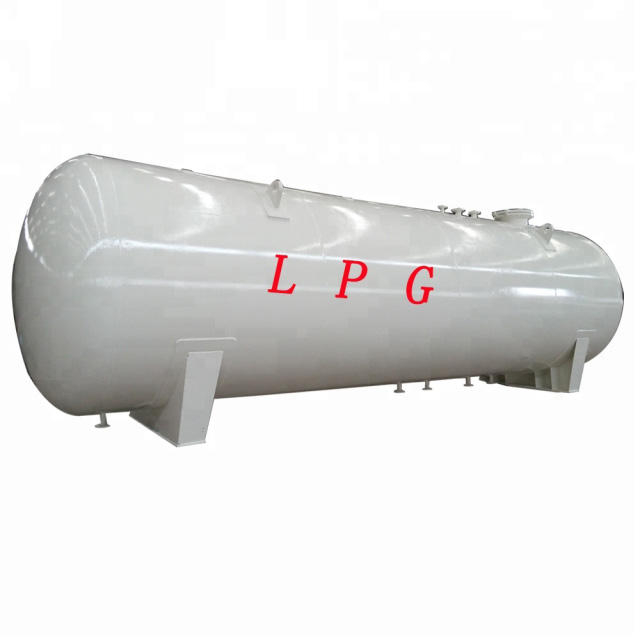
Investing in bulk propane storage stands as a critical capital expenditure. For industrial operations, commercial heating, or bulk fuel distribution, equipment failure is never an option. Selecting the right gas storage unit goes far beyond basic capacity metrics. Facility managers must expertly navigate strict regulatory frameworks. They must verify exact metallurgical standards. They must also address site-specific environmental challenges. A poor choice risks severe safety hazards. It can trigger heavy regulatory fines. It often leads to debilitating operational downtime. This guide offers a comprehensive, compliance-first evaluation framework. We aim to help facility managers and procurement teams confidently evaluate options. You can shortlist a safe, durable, and legally compliant storage solution using this criteria. You will learn to evaluate fundamental engineering requirements. You will understand vital safety mechanics. You will avoid overspending on unnecessary structural features.
Key Takeaways
The 80% Rule: A 20 CBM tank yields a maximum safe working capacity of approximately 16 CBM to accommodate thermal expansion.
Compliance is Non-Negotiable: Viable vessels must meet strict ASME boiler and pressure vessel codes and align with NFPA 58 spacing regulations.
Durability Relies on Coating: High-yield carbon steel paired with multi-layer anti-corrosion coatings (or cathodic protection) is mandatory for long-term ROI.
Site Prep Matters: Proper installation requires engineered concrete foundations, clear safety perimeters, and extreme weather anchoring protocols.
Defining Your Requirements: Capacity, Yield, and the 20 CBM Profile
Sizing an Industrial Propane Tank correctly solves a major business problem. You must balance fuel delivery schedules against upfront capital limits. Buying a vessel too small forces frequent, disruptive deliveries. Buying one too large ties up valuable industrial space. You need a precise understanding of usable yield to make the right operational choice.
The thermal expansion factor dictates real capacity. Industry safety standards mandate an 80% maximum fill limit. Propane expands significantly as ambient temperatures rise. A full tank requires empty overhead space to absorb this pressure safely. Overfilling a vessel creates extreme internal stress. It triggers safety relief valves and vents flammable gas into the open air. We strictly adhere to this fill rule to guarantee site safety.
A standard 20 cubic meter tank holds 20,000 liters total volume. Applying the 80% rule yields a safe working capacity of roughly 16 CBM. This equals approximately 4,200 gallons of usable fuel. You must map this usable volume to your expected monthly consumption. Calculate your peak winter fuel consumption accurately. Ensure your 16 CBM usable reserve covers at least two weeks of heavy usage. Operations teams often assume a 20 CBM unit provides exactly 20 CBM of fuel. This common error causes sudden fuel shortages mid-month.
| | Capacity Yield Summary Chart |
Metric | Value | Operational Impact |
Gross Volume | 20 CBM (20,000 Liters) | Defines physical footprint and site foundation requirements. |
Max Safe Fill Limit | 80% | Mandatory regulatory cap required to absorb thermal expansion. |
Usable Yield | 16 CBM (~4,226 Gallons) | Actual liquid fuel available for facility operations. |
High-tensile carbon steel forms the foundation of any compliant vessel. The material must withstand extreme internal pressures. It must endure ambient temperature fluctuations seamlessly. Standard operations expose tanks to ambient temperatures ranging from -40°F to 120°F. The steel alloy must resist embrittlement in freezing winter conditions. It must prevent structural deformation during peak summer heat. Substandard alloys degrade quickly under these daily thermal stress cycles.
Weld integrity dictates structural safety. You should explicitly verify manufacturing techniques during vendor selection. Premium manufacturers utilize submerged arc welding for all main structural seams. This automated process creates deep, flawless joints. Furthermore, 100% X-ray (radiographic) testing remains mandatory. Inspectors must examine every pressure-bearing seam radiographically. This ensures zero microscopic cracks exist inside the steel weld. A microscopic defect can expand under pressure and cause catastrophic failure.
Anti-corrosion defenses protect the steel from inevitable environmental degradation. Protection strategies differ wildly based on your chosen placement. Above-ground placements face distinct weathering challenges compared to buried installations. You must select the right coating matrix for your specific site.
Above-ground tanks: These require advanced ultraviolet and moisture protection. Look for industrial-grade epoxy primers applied directly to sandblasted steel. Top these primers using white or silver polyurethane topcoats. Light colors reflect sunlight efficiently. They minimize solar heat absorption and stabilize internal gas pressure.
Underground vessels: Buried tanks face constant soil moisture and mineral exposure. They require heavy-duty mastic coatings. You must also install active cathodic protection systems. These systems use buried sacrificial anodes. The anodes attract corrosive galvanic elements away from the main steel shell.
Navigating Safety Features and Valve Architecture
A fully compliant LPG Storage Vessel includes multi-layered safety mechanisms. Pressure relief mechanisms act as the primary fail-safe. Engineers design precision pressure relief valves (PRVs) into the top array. These valves monitor internal gas expansion constantly. They automatically vent small amounts of gas if internal pressures exceed safe thresholds. This mechanical response prevents catastrophic vessel rupture. You must ensure these valves point away from walkways and ignition sources.
Liquid and vapor valves handle daily operational flow. Fill valves allow rapid bulk delivery from transport trucks. Liquid withdrawal valves feed heavy industrial vaporizers. Vapor return valves equalize pressure between the delivery truck and your tank. You must ensure all connections feature internal safety check valves. These spring-loaded devices snap shut automatically if a hose breaks. Emergency shutoff systems provide manual or remote isolation during accidents. These shutoffs save lives during unexpected equipment shearing.
Telemetry and monitoring systems modernize inventory management. We strongly recommend evaluating units compatible with remote telemetry units (RTUs). These digital sensors track real-time pressure changes. They monitor exact liquid fill levels continuously. The system beams data directly to a digital dashboard or mobile device. Automated alerts warn facility managers about abnormal pressure drops or low inventory. This digital oversight eliminates manual gauge reading errors. It also improves emergency response times drastically.
Installation Realities: Site Prep, Zoning, and Weather Resilience
Site preparation dictates long-term operational success. It also determines immediate legal compliance. Small residential units allow a tight 10-foot clearance from structures. A large industrial unit mandates significantly wider separation distances. NFPA 58 regulations govern these exact spacing requirements stringently. You must distance the unit from property lines. You must keep it away from vehicle traffic. You must separate it from all potential ignition sources and building openings. Heavy propane gas sinks and pools in low areas. Keeping distance from basement windows and drains prevents invisible gas accumulation.
Foundation requirements demand careful civil engineering. A fully loaded vessel weighs several tons. The ground must support this immense concentrated weight without shifting. Here is a standardized foundation preparation sequence:
Soil Compaction: Engineers must evaluate and compact the subgrade mechanically to prevent uneven soil settling.
Concrete Pouring: Contractors pour reinforced, non-combustible concrete foundation pads engineered for heavy industrial loads.
Saddle Placement: The steel vessel rests securely on shaped concrete saddles.
Moisture Clearance: The saddles elevate the entire steel shell away from standing ground water.
Extreme weather anchoring requires specialized hardware. Facilities in hurricane zones face high wind uplift forces. Flood zones present severe buoyancy risks. An empty tank acts like a massive steel balloon during a flood. Earthquakes cause violent structural shifting. You must evaluate the integrated anchoring lugs welded to the tank body. Contractors thread heavy-duty steel straps through these precise lugs. They bolt the straps deep into the concrete foundation. This aggressive anchoring prevents dangerous flotation or displacement during catastrophic weather events.
Lifecycle Maintenance and Vendor Selection Logic
Purchasing a 20 CBM LPG Tank marks the beginning of a decades-long deployment. Inspection readiness simplifies ongoing maintenance. Maintenance teams must access valves, gauges, and inspection ports easily. Cluttered valve configurations invite maintenance delays. You should demand a clean, accessible top-mount valve layout. This allows technicians to perform leak tests using simple soap solutions quickly.
Recertification lifespans vary by component. The main high-yield carbon steel body can easily last decades. It simply needs proper corrosion management and routine paint touch-ups. However, moving parts wear out much faster. Regulators and safety valves carry strict expiration timelines. Safety codes require periodic hydrostatic testing to verify shell integrity over time. Regulators often require complete replacement every 5 to 15 years. You must track these expiration dates meticulously to maintain legal compliance.
Vendor selection logic determines your long-term success. You should evaluate potential manufacturing partners using rigorous technical standards. A cheap vessel from an unverified supplier introduces immense operational risk. Use this vendor shortlisting checklist to protect your operation:
Do they provide comprehensive ASME data reports and original manufacturing certificates?
Do they conduct 100% radiographic weld testing before shipping the final product?
Do they offer localized engineering support for installation compliance?
Can their technicians perform mandatory first-fill safety checks on-site?
Are their warranties completely transparent regarding paint longevity versus structural integrity?
Conclusion
Selecting a large-scale propane tank requires meticulous balancing. You must verify structural material integrity rigorously. You must ensure strict adherence to international safety codes. You must prepare the physical site for decades of safe operation. Following this evaluation framework ensures your facility operates smoothly without safety compromises. You secure your fuel supply while protecting your workforce.
Your next steps require physical site audits. Advise your procurement and safety teams to measure actual site clearances immediately. Compare these measurements against NFPA 58 zoning rules. Request detailed technical drawings from at least three tier-one manufacturers. Demand full ASME testing certifications before signing any purchase orders. These proactive steps secure a safe, durable, and fully compliant fuel storage system.
FAQ
Q: What is the actual usable capacity of a 20 CBM LPG tank?
A: A 20 CBM tank provides approximately 16 CBM of usable capacity. Industry safety regulations enforce a mandatory 80% maximum fill rule. This empty overhead space allows the liquid propane to expand safely as ambient temperatures rise, preventing dangerous internal pressure spikes.
Q: What is the standard lifespan of an industrial propane tank?
A: The primary carbon steel vessel easily lasts 30 or more years with proper corrosion management. However, mechanical components like valves, gauges, and regulators have shorter lifespans. They require mandatory periodic testing and complete replacement every 5 to 15 years based on local safety regulations.
Q: Can a 20 CBM LPG storage vessel be installed underground?
A: Yes, but underground installation requires a specialized tank design. You must purchase a vessel treated with heavy-duty anti-corrosive mastic coatings. Furthermore, the installation mandates an active cathodic protection system using sacrificial anodes to stop severe soil-induced degradation and galvanic corrosion.
Q: What are the key temperature constraints for storing bulk propane?
A: Propane itself features an exceptionally low freezing point. However, standard industrial tanks and their integrated pressure relief systems typically operate within a specific ambient temperature range. Engineers design these vessels to perform safely and efficiently in environments ranging from -40°F to 120°F.