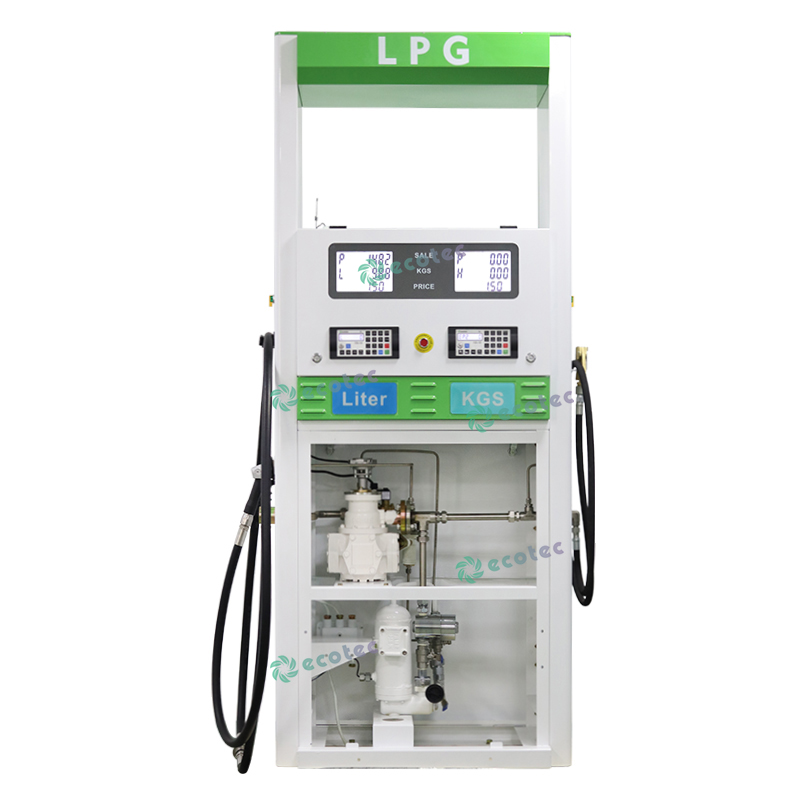
High-traffic fueling stations frequently face severe operational bottlenecks. Prolonged wait times directly impact your daily revenue. These delays also diminish overall customer satisfaction. When lines grow long, drivers simply go elsewhere. Single-nozzle systems often fail to keep pace during these critical peak hours. Upgrading to a commercial-grade Two Nozzle LPG Dispenser provides a highly effective solution. It optimizes forecourt throughput without requiring massive infrastructure overhauls. This guide provides a transparent technical framework for evaluating modern dispensing equipment. We will analyze verifiable efficiency metrics, essential safety mechanics, and strict compliance standards. You will discover exactly how dual-nozzle systems maximize existing real estate. They also maintain superior metering accuracy under demanding conditions. Understanding these elements ensures your station operates safely and profitably. Let us explore the fundamental criteria for selecting your next equipment upgrade.
Key Takeaways
Throughput vs. Footprint: Two-nozzle systems effectively double fueling capacity per island without requiring expanded underground infrastructure.
Accuracy is Revenue: Precision metering (piston or mass flow) combined with Automatic Temperature Compensation (ATC) prevents product loss during environmental shifts.
Non-Negotiable Compliance: Equipment must carry verifiable certifications (e.g., ATEX, OIML, MID) to mitigate site liability and ensure operational safety.
Lifecycle Costs Matter: Upfront equipment cost accounts for a fraction of TCO; ease of maintenance, calibration stability, and spare parts availability dictate true ROI.
The Business Case for Upgrading to a Two Nozzle LPG Dispenser
Identifying Forecourt Bottlenecks
Single-nozzle constraints create immediate operational bottlenecks. Vehicles queue up quickly during morning and evening rush hours. A driver waiting longer than five minutes often experiences frustration. They might abandon the queue entirely. This queue abandonment translates directly to lost daily volume. You cannot recover those missed transactions. Single hoses limit your theoretical maximum throughput. By identifying these peak-hour limitations, you can justify essential equipment upgrades. Evaluating your hourly transaction data reveals these hidden revenue leaks.
Simultaneous Refueling Dynamics
A dual-hose setup completely changes your site dynamics. You can service two vehicles simultaneously on the same traffic island. This capability drastically reduces average wait times. However, simultaneous refueling introduces mechanical complexities. You must understand flow rate division. Some machines split a single pump's output between two active hoses. Others use independent pumping mechanics for each side. Independent mechanics prevent frustrating pressure drops. Drivers expect fast, consistent delivery speeds. Consistent flow rates keep traffic moving smoothly through your site.
Footprint Optimization
Real estate is your most expensive asset. Expanding your physical station footprint is rarely feasible. Construction requires massive capital and causes disruptive downtime. Upgrading your dispenser maximizes the return on your existing real estate. You leverage dual-sided dispensing on a single traffic island. This strategy doubles your potential capacity instantly. You avoid digging new underground tanks. You bypass complex zoning permit applications. This simple equipment swap optimizes your current spatial layout perfectly.
Target Audience Reality
This equipment suits specific operational profiles perfectly. It works best for stations averaging high daily transaction volumes. Busy highway stops and urban transport hubs benefit immensely. Speed of service remains a primary competitive advantage here. Commercial fleets and taxi services demand rapid turnarounds. If your station serves these high-demand demographics, single-hose units fail them. Upgrading aligns your service capabilities with customer expectations.
Best Practice: Audit your peak-hour traffic for one week. Count how many vehicles leave the queue without fueling.
Common Mistake: Ignoring pump capacity. Installing dual nozzles without verifying your submersible turbine pump's output leads to slow fills.
Core Evaluation Criteria for Your Next LPG Filling Machine
Selecting a high-quality LPG Filling Machine requires rigorous technical evaluation. You must scrutinize the internal components carefully. The following criteria determine long-term operational success.
Metering Technology Options
The meter serves as the cash register of your dispenser. You have two primary technologies to consider. Piston meters represent the reliable, traditional choice. They offer high accuracy but require regular mechanical calibration. They contain moving parts that wear down over time. Coriolis Mass Flow meters provide an advanced alternative. They virtually eliminate moving parts entirely. They measure mass directly rather than volume. This technology offers superior long-term accuracy and extreme stability.
Table 1: Metering Technology Comparison
Technology Type
Mechanism
Accuracy Stability
Maintenance Needs
Piston Meter
Mechanical displacement
High (requires frequent calibration)
Moderate (moving parts wear out)
Coriolis Mass Flow
Vibrating tube frequency
Exceptional (rare drift)
Minimal (no moving parts)
Flow Rate Capabilities
You must match dispenser flow rates to your underground infrastructure. Standard nozzles typically deliver 30 to 50 liters per minute. If you activate two hoses simultaneously, demand doubles instantly. Your underground pump must handle this sudden surge. If it cannot, you risk cavitation. Cavitation occurs when pressure drops too low. The liquid gas turns into vapor bubbles within the lines. These bubbles damage internal components and cause excruciatingly slow fills. Always verify your supply pump capacities first.
Automatic Temperature Compensation (ATC)
ATC remains critical for maintaining margin integrity. You dispense pressurized liquid gas into vehicle tanks. Ambient temperatures fluctuate drastically throughout the day. Propane expands when warm and contracts when cold. If you sell strictly by uncompensated volume, you lose money. You give away extra product during colder weather. ATC technology solves this problem automatically. It calculates the liquid volume based on a standardized reference temperature. This prevents product loss and protects your profit margins relentlessly.
Electronic Heads and POS Integration
Modern dispensers act as connected digital endpoints. Their electronic heads must communicate flawlessly with your station management system. You must ensure protocol compatibility before purchasing. Common industry protocols include Tatsuno, Tokheim, and Gilbarco. A mismatched protocol causes massive integration headaches. Your Point of Sale (POS) system must record every transaction accurately. Seamless integration enables remote diagnostics and automated daily reconciliation. It eliminates manual data entry errors completely.
Safety Standards and Regulatory Compliance Constraints
Explosion-Proof Certifications
Handling liquefied petroleum gas requires uncompromising safety measures. Dispensing equipment operates in highly volatile environments. Regulatory bodies classify these areas as Zone 1 or Zone 2 hazardous locations. Your equipment must carry verifiable explosion-proof certifications. European markets require strict ATEX compliance. North American markets mandate UL or cUL certifications. These standards ensure electrical components cannot ignite ambient vapors. Non-compliant electrical heads pose a catastrophic risk to your entire site. Never compromise on these baseline safety certifications.
Essential Safety Mechanics
Hardware safety mechanisms protect your site from predictable human errors. Drive-offs remain a common hazard at busy stations. A driver might accelerate while the hose remains connected. You need specific fail-safes to mitigate this.
Inline Breakaway Valves: These valves snap apart safely under tension. They instantly seal both ends of the separated hose. This prevents catastrophic leaks during accidental drive-offs.
Excess Flow Valves: These mechanisms monitor line pressure constantly. If a pipe ruptures, they detect the sudden flow surge. They automatically shut off the fuel supply.
Emergency Stop (E-Stop): Operators need easily accessible E-stop buttons. Integration with the main station console ensures immediate shutdown during emergencies.
Hose and Nozzle Specifications
You must evaluate exterior components for regional compliance and durability. Hoses must endure constant bending, pulling, and extreme weather. Verify they meet rigorous EN 1762 compliance standards. Nozzle selection depends entirely on your regional vehicle standards. Different countries utilize different coupling mechanisms. You might encounter Italian, ACME, Dish, or Bayonet styles. You must equip your dispenser with the correct mechanical interfaces. Using unapproved adapters compromises the filling seal and endangers operators.
Implementation Realities: Siting and Installation
Pre-Installation Infrastructure
Successful installation begins long before the new dispenser arrives. You must assess your existing underground infrastructure comprehensively. Inspect the main liquid supply piping thoroughly. Evaluate the vapor return lines if your region mandates them. Check the submersible turbine pump (STP) electrical relays. A dual-hose machine demands higher sustained flow rates. If your old STP lacks adequate horsepower, you must upgrade it. Failing to verify these elements guarantees severe operational issues upon startup.
Wiring and Cabling Requirements
Electrical wiring requires meticulous attention to detail. Dispensers utilize both high-voltage power lines and low-voltage communication cables. You must segregate these cables securely within the underground conduits. Running them together creates severe electromagnetic interference. This interference corrupts the data signal to your POS system. Transactions might drop or record incorrectly. Certified electricians must follow strict intrinsically safe wiring practices. They must seal all conduit entry points to prevent vapor migration into the electrical boxes.
Commissioning and Calibration
The initial setup process dictates long-term reliability. Technicians cannot simply plug in the machine and open the valves. They must execute a rigorous commissioning sequence. First, they carefully purge all air from the underground supply lines. Trapped air damages the new meters instantly. Next, they test the mechanical breakaway thresholds physically. Finally, they perform the baseline meter calibration. They use certified volumetric provers to verify dispensing accuracy. Authorities will seal the meters once this calibration passes local weights and measures standards.
Installation Tip: Always flush new underground piping with nitrogen before connecting the dispenser. Debris from construction destroys delicate meter internals.
Assessing Maintenance and Operational Reliability
Routine Maintenance Cycles
Proactive maintenance prevents unexpected site downtime. Every dispenser contains consumable parts requiring periodic replacement. You must track these maintenance cycles carefully. Internal strainers and filters catch debris before it enters the meter. You should clean or replace these filters quarterly. Rubber O-rings inside the nozzles wear down from constant friction. They degrade faster in harsh climates. Inspect the external delivery hoses weekly for micro-abrasions or blistering. Replacing worn consumables early prevents larger mechanical failures later.
Managing Calibration Drift
Even premium mechanical meters experience calibration drift eventually. This drift affects your legal compliance and daily profitability. If the meter drifts positively, you give away free fuel. If it drifts negatively, you shortchange customers and face severe regulatory fines. You must schedule routine recalibrations proactively. Monitor your daily fuel reconciliation reports closely. Significant variances between tank inventory and POS sales indicate meter drift. Address these discrepancies immediately by calling a certified calibration technician.
Vendor Support and Parts Availability
Equipment reliability relies heavily on responsive vendor support. Choosing off-brand models carries significant hidden risks. These manufacturers often provide poor technical documentation. They might use proprietary internal components. When a specialized valve fails, you cannot source a generic replacement. You face extended downtime waiting for overseas shipping. Always partner with established manufacturers featuring robust domestic support networks. Ensure they guarantee rapid spare parts availability. Quick access to replacement electronics keeps your lanes open and profitable.
Conclusion
Upgrading your station with a high-capacity dispenser transforms your daily operations. You reduce customer wait times and maximize your physical forecourt space. When evaluating new equipment, prioritize verified safety certifications above all else. Ensure the metering technology utilizes automatic temperature compensation for absolute accuracy. Confirm the electronic protocols integrate seamlessly with your existing management software.
Audit your current peak-hour flow requirements accurately.
Inspect your underground supply pump capacities before ordering.
Establish a proactive maintenance schedule for all consumable parts.
Your forecourt equipment directly dictates your daily revenue potential. Do not rush this critical infrastructure decision. We encourage you to consult with a certified engineering specialist today. They will help you configure a dispensing solution tailored specifically to your site layout and regulatory demands.
FAQ
Q: Can a single-pump station support a Two Nozzle LPG Dispenser?
A: Yes, but it requires calculating the existing pump's maximum flow rate first. You must ensure simultaneous fueling does not result in unacceptably slow delivery speeds. If the pump lacks sufficient horsepower, you may experience severe pressure drops or cavitation when both hoses operate simultaneously.
Q: How frequently does an LPG Filling Machine need to be calibrated?
A: Frequency is dictated by local weights and measures authorities. Typically, you must calibrate the unit every 6 to 12 months. However, you should request immediate recalibration whenever you detect significant measurement drift during your daily fuel inventory reconciliation.
Q: What is the difference between vapor return and non-vapor return dispensers?
A: Vapor return systems actively capture displaced gas from the vehicle tank. They route it back to the main storage tank. This reduces environmental emissions and prevents excessive pressure buildup. Your need for this feature depends entirely on local environmental laws and regulations.
Q: Can the dispenser support different nozzle standards on each side?
A: Yes, manufacturers can often customize units with mixed nozzle types. You might install an ACME nozzle on one side and a Dish nozzle on the other. This flexibility helps stations easily service cross-border commercial traffic utilizing different mechanical vehicle standards.
Zhejiang Ecotec Energy Equipment Co., Ltd. is a professional manufacturer of gas station equipment, can offer customer complete solution from design to after-sales service with good price and quality.