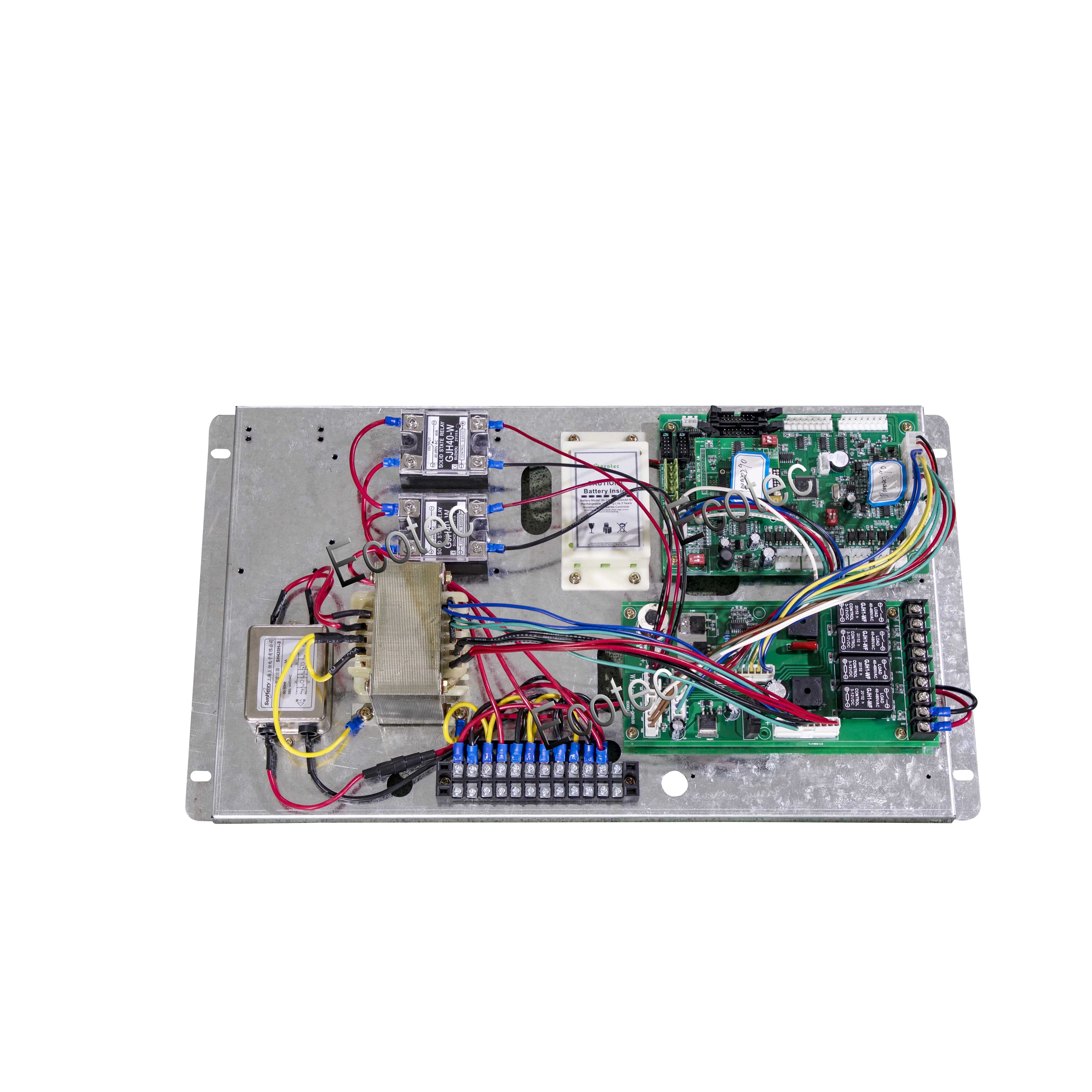
Modernizing a forecourt or industrial fueling site requires bridging legacy hydraulics with modern digital point-of-sale (POS) systems. This transition is rarely a seamless process. Hardware age, outdated wiring, and software mismatches often create unexpected operational friction. Position the fuel controller as the central nervous system of your forecourt. Its primary job is translation and synchronization between physical, mechanical actions and complex digital ledgers. It continuously monitors mechanical shifts to log transactions securely. It converts a physical nozzle lift into an authorized, tracked digital event. This guide will break down how to evaluate different controller architectures effectively. You will discover how to ensure strict component compatibility across your entire site. We will also outline how to mitigate rollout risks during procurement to guarantee reliable operations.
Key Takeaways
A reliable fuel controller eliminates data silos between forecourt hardware and back-office systems.
Integration success hinges on precise compatibility with core fuel station equipment, specifically pulsers, variable valves, and the flow meter.
Choosing between PLC-based and purpose-built custom PCB architectures dictates scalability and long-term maintenance costs.
Vendor evaluation must prioritize protocol flexibility (e.g., IFSF, Gilbarco 2-wire, Wayne Dart) and real-time fault detection.
The Business Cost of Component Mismatches
A successful forecourt upgrade demands rigorous component alignment. Mismatched hardware introduces hidden inefficiencies. It creates compounding financial losses over time. Operators must measure the operational impact carefully before changing hardware configurations.
Downtime and Latency
Micro-delays between POS authorization and physical valve actuation create severe bottlenecks. When the authorization loop lags, customers experience noticeable wait times. These micro-delays lead to queuing and widespread customer friction. A high-performance controller processes state changes instantly. It signals the pumping units without hesitation to keep traffic moving.
Data Discrepancies
Hardware drift between physical dispensing volumes and POS transaction records creates accounting nightmares. If a pulser skips a count, you lose physical inventory. These minor discrepancies add up fast over a busy month. They severely impact your monthly reconciliation processes. You simply cannot afford invisible inventory losses.
Success Metrics
You must define what a successful integration looks like early. Key performance indicators should include zero-loss transaction logging. POS synchronization time must remain below 200 milliseconds consistently. Additionally, fail-safe hydraulic shutoffs are non-negotiable safety requirements. These metrics ensure you get accurate, repeatable fuel delivery every single time.
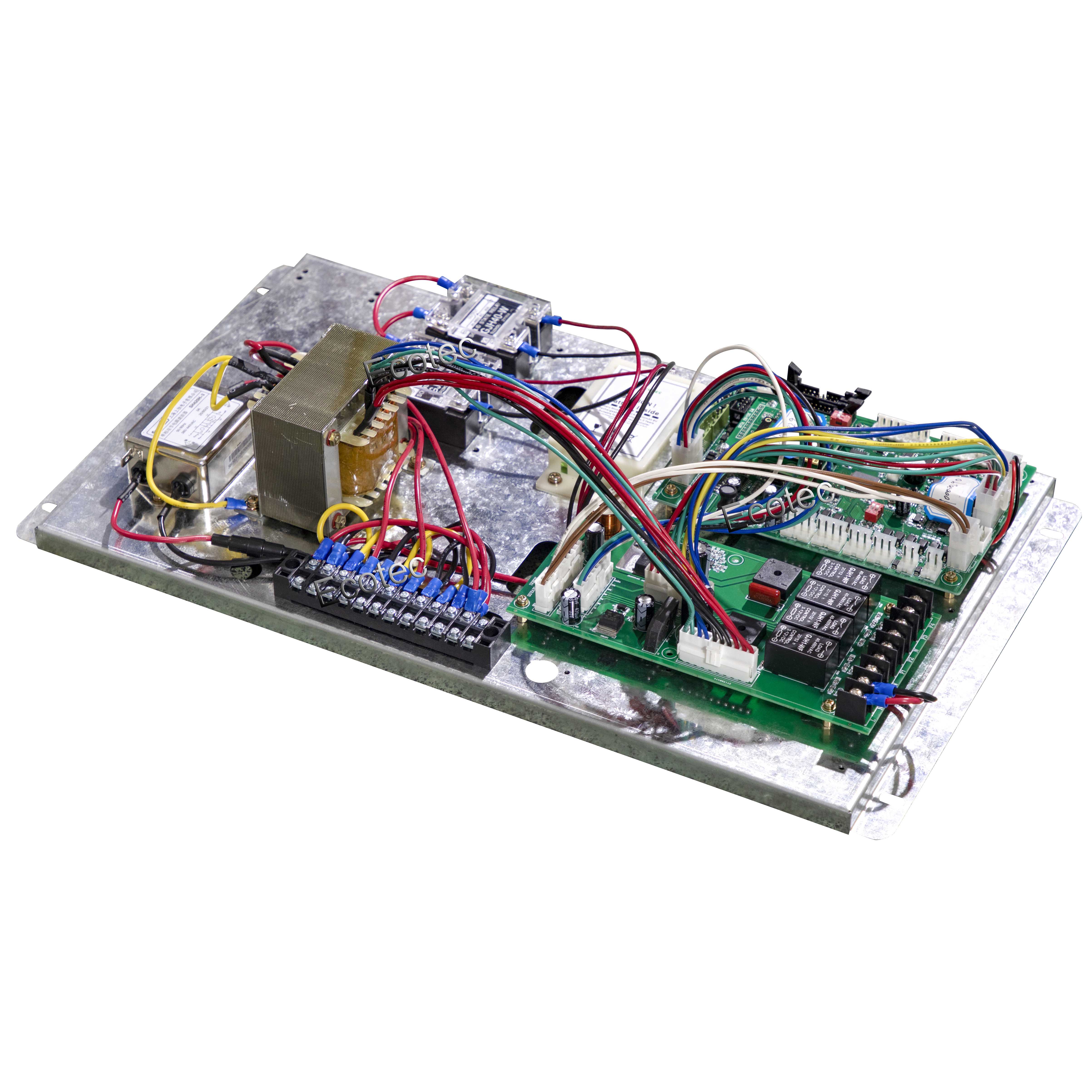
Critical Fuel Dispenser Components the Controller Must Support
To achieve stable operations, the controller must communicate flawlessly with every forecourt device. It acts as the master translator for varied electrical signals. It must interpret these signals accurately to maintain safety and billing integrity.
Managing the Flow Meter
Your controller must handle different pulse resolutions accurately. Typical mechanical systems generate 100 pulses per liter. The controller counts these rapid pulses to determine precise dispensed volumes. Legacy mechanical pulsers behave differently than modern serial alternatives. Smart meters send packaged digital data instead of raw electrical pulses. Therefore, firmware must interpret these diverse inputs without losing counts. You need tight integration between the controller and the flow meter to ensure absolute billing accuracy.
Proportional and Solenoid Valves
Fast-flowing liquids possess significant kinetic energy. Sudden valve closures cause dangerous hydraulic shock inside the piping. The controller stages valve closures to prevent pipe damage. It slows the flow rate right before reaching the preset volume limit. This precise staging process ensures exact volume delivery. The system never over-dispenses or abruptly slams the valve shut.
Motor Relays and Pumping Units
Fuel pumps require massive initial current to start rotating. The controller manages these motor start and stop sequences carefully. It prevents unnecessary short-cycling during brief fueling pauses. Proper relay management protects pump motor longevity. It keeps the core fuel dispenser hydraulics healthy for years of continuous service.
Nozzle Switches and User Interfaces
Everything begins when a user lifts the nozzle from the boot. The controller captures this physical interaction instantly. It immediately initiates the digital authorization loop. It sends a "calling" state directly to the POS. Once authorized by the cashier or payment terminal, it activates the pump display and opens the fluid valves.
Architecture Selection: PLC vs. Dedicated Fuel Controllers
Hardware architecture defines your long-term maintenance strategy. Buyers generally choose between two primary control paradigms. Each approach carries distinct operational trade-offs depending on your site requirements.
Standard PLC (Programmable Logic Controller)
PLCs represent the backbone of heavy industrial automation globally. They offer extensive programming flexibility for complex sites.
Pros: Highly customizable architecture. They are ubiquitous in industrial automation environments. You can program them easily to handle highly complex, unique logic for bespoke chemical applications.
Cons: They are heavily over-engineered for standard retail forecourts. They require specialized ladder logic programming. Furthermore, they carry a much higher per-unit cost for scaling operations across multiple identical sites.
Dedicated Custom PCB Controllers
These systems use proprietary circuit boards designed specifically for fueling applications.
Pros: They are purpose-built for core fuel station equipment. They offer an optimized, compact form factor. They provide native firmware support for industry-standard fueling protocols directly out of the box.
Cons: Proprietary firmware can lock buyers into specific manufacturer ecosystems. You must evaluate them carefully to avoid restrictive vendor lock-in over the next decade.
Controller Architecture Comparison Matrix
| Evaluation Criteria | Standard PLC | Custom PCB Controller |
| Best Use Case | Bespoke chemical fleets, aviation, custom logic | Standard retail and commercial fueling sites |
| Deployment Speed | Slow (Requires custom logic programming) | Fast (Pre-loaded plug-and-play fueling logic) |
| Scalability | Difficult across multiple identical sites | Highly repeatable and cost-effective rollouts |
| Maintenance | Requires trained automation engineers | Standard technician board replacement |
Data Sync and POS Protocol Integration
Hardware integration represents only half the battle. The software layer dictates actual operational success. Your controller must communicate flawlessly across complex digital networks indoors and outdoors.
Bridging Forecourt and Back-Office
The controller continuously handles polling requests from the POS system. It cannot miss a single status check. It provides real-time state reporting for every pump simultaneously. Typical reporting states include Idle, Calling, Authorized, Fueling, and Suspended. Rapid state updates prevent frustrating POS timeout errors. When a customer finishes pumping, the controller finalizes the transaction. It pushes the exact volume and price data indoors instantly to close the ledger.
Protocol Compatibility
Forecourts rarely feature uniform hardware configurations. You often find a mix of older and newer dispensers on one site. The controller must support diverse or legacy loop protocols. Common communication standards include IFSF, Wayne DART, Tokheim, and Gilbarco 2-wire. Supporting these protocols avoids forcing you to replace entire dispenser fleets prematurely.
Be skeptical of vendors promising universal plug-and-play functionality. Universal compatibility almost always requires external middleware or protocol converters. Native support for every protocol is an industry myth. You must demand a thorough site survey of your existing hardware before purchasing any new equipment.
Implementation Risks, Compliance, and Security
Moving from procurement to installation introduces new field risks. You must navigate strict regulatory environments and physical safety constraints. Operational continuity depends heavily on robust fail-safes and redundancy.
Regulatory Compliance
Fuel retailing operates under intense legal scrutiny worldwide. The controller must adhere strictly to established Weights and Measures standards. This includes the MID directive in Europe and NTEP certification in the US. These standards ensure transaction data cannot be manipulated maliciously. The data stream between the metering unit and the POS must remain cryptographically secure or physically sealed at all times.
Hazardous Environments (ATEX/UL)
Fueling sites contain highly explosive atmospheres. Electrical components wired into these zones require extreme caution. Controllers often interface via intrinsic safety barriers. These specialized barriers limit the electrical energy delivered to forecourt devices. They prevent accidental sparks from igniting volatile fuel vapors. Always verify ATEX or UL certifications before approving any installation.
Offline Fallback and Data Buffering
Network drops happen frequently in rural or industrial settings. What happens when the POS connection drops mid-transaction? Evaluate controllers based on their local standalone memory buffering. Robust systems feature resilient store-and-forward capabilities. They cache transaction data locally during sudden network outages. Once the connection restores, they sync the buffered transactions automatically. This crucial feature prevents lost revenue during unpredictable IT failures.
Vendor Shortlisting: The Integration Evaluation Checklist
Selecting the right vendor requires asking difficult technical questions. Do not accept vague marketing answers regarding compatibility. Use this structured evaluation checklist to vet potential integration partners effectively before signing contracts.
Does this controller require proprietary protocol converters, or are standard protocols natively supported?
What is the maximum concurrent fueling point capacity before network latency degrades noticeably?
Can you provide MTBF (Mean Time Between Failures) data for the relay and pulse input circuits?
How does the firmware handle pulse noise or mechanical vibration from legacy pumping hardware?
Does the system offer granular, remote diagnostic logs for troubleshooting delayed valve closures?
Asking these specific questions exposes weak firmware logic. It separates true industrial-grade controllers from fragile consumer-grade alternatives disguised as commercial products.
Conclusion
The right controller acts as a silent orchestrator for your fueling operations. When integrated correctly, neither the customer nor the operator notices it. It simply works, translating physical fluid movement into accurate digital revenue automatically. Flawless execution requires rigorous attention to component compatibility and thorough protocol support.
Before issuing an RFP, audit your current forecourt hardware thoroughly. Document your existing pulse rates, valve types, and active POS protocols accurately. This baseline data prevents expensive change orders during installation. Take action today to secure your site operations. Request a technical consultation, download a detailed specification sheet, or schedule a pilot integration test with your engineering team.
FAQ
Q: How does a fuel controller differ from a POS system?
A: The controller manages hardware orchestration and real-time safety. It physically opens valves, reads pulses, and monitors nozzle states. The POS system handles financial transactions, user loyalty logic, and store inventory. The controller translates physical forecourt actions into standardized digital data for the POS to process seamlessly.
Q: Can modern fuel controllers retrofit into older mechanical fuel dispensers?
A: Yes, they can. However, you must install mechanical-to-electronic pulse generators. These add-on devices convert the spinning motion of legacy mechanical meters into digital electronic pulses. The modern controller then reads these pulses just as it would from a newer electronic meter.
Q: What is the standard latency for a fuel controller communicating with a flow meter?
A: Latency must remain extremely low to ensure accurate liquid cutoff. Realistic benchmark numbers fall in the low-millisecond range, typically between 10 to 50 milliseconds. This rapid communication ensures the controller can shut the solenoid valves exactly when the dispensed volume matches the authorized preset limit.


