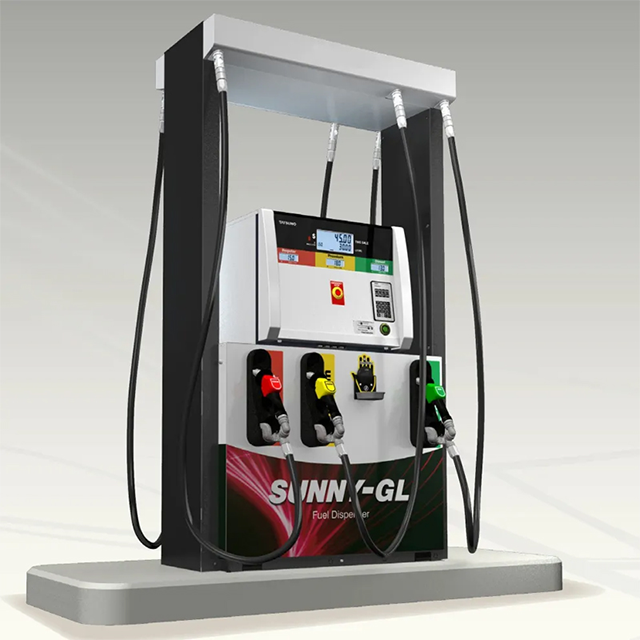
A commercial fuel dispenser functions as far more than a simple mechanical asset for transferring liquid. It operates as the primary physical touchpoint for your customers. This daily interaction makes the hardware a critical bottleneck for site profitability. Upgrading or replacing forecourt equipment requires careful financial balancing. You must weigh immediate capital expenditure against long-term operational efficiency. Site operators face complex regulatory compliance demands, such as EMV standards, alongside new opportunities for in-store revenue generation. Selecting the right hardware demands more than just comparing base sticker prices. Buyers require a rigorous evaluation of integration capabilities and reliable engineering. Read on to discover how modern equipment transforms forecourt operations. We will guide you through maximizing throughput, ensuring secure payments, and choosing the perfect hardware for your specific station.
Key Takeaways
Throughput equals revenue: High-flow hydraulics and ergonomic hose configurations directly reduce forecourt wait times during peak hours.
Security is a hard requirement: EMV compliance and encrypted point-of-sale (POS) integrations are non-negotiable to prevent liability shifts and skimming losses.
Media drives in-store conversions: Integrated screens and personalized loyalty prompts at the pump demonstrably increase higher-margin convenience store foot traffic.
TCO outlasts initial pricing: Predictive maintenance via IoT and robust warranty structures significantly lower the 10-year operational cost of a commercial fuel dispenser.
Upfront Capital vs. Long-Term Reliability
Many buyers focus almost exclusively on the initial purchase price. This base cost represents only a tiny fraction of the equipment lifecycle budget. True financial impact emerges over years of daily operation. Routine maintenance fees, energy usage, and part replacements multiply rapidly over time. Operators must project these lifecycle expenses accurately to understand true profitability.
Downtime as a Profit Killer
Mechanical failure acts as a massive drain on station revenue. Broken hardware forces customers to drive to competing locations immediately. Lost transactional revenue damages your daily bottom line directly. Customers facing out-of-order signs rarely return for future visits. Brand loyalty evaporates when basic reliability fails. You lose both the immediate gas sale and the potential high-margin convenience store purchase.
Retrofitting vs. Full Replacement
Operators frequently debate retrofitting older models versus pursuing full hardware replacement. Retrofitting legacy units seems financially appealing during initial planning stages. You must carefully assess legacy wiring infrastructure and existing hydraulic wear. Upgrading payment modules on worn-out hydraulics often leads to cascading mechanical failures. Legacy communication cables frequently drop signals when handling modern encrypted data. New units provide extensive warranties and modern engineering reliability. They minimize sudden offline periods and simplify routine servicing.
Core Hardware Specifications: Flow Rates and Throughput
Flow rates dictate your daily volume capacity and customer turnover speed. You must match equipment delivery speeds to your specific site demographics. Standard retail vehicles require standard flow rates to prevent tank splash-back. Commercial fleets demand much higher delivery speeds to keep trucks moving. Slow delivery frustrates drivers during busy morning rush hours. Fast, reliable pumping keeps your forecourt clear and highly profitable.
Hydraulic Durability and Precision
Hydraulic durability prevents expensive fuel drift. High-quality meters ensure absolute calibration accuracy year after year. Corrosion-resistant internal components handle harsh chemical additives easily. Robust filtration systems protect internal valves from microscopic debris. You lose money every time calibration slips past acceptable margins. Giving away free product due to meter wear destroys annual margins rapidly.
Configuration Logic and Footprint
Multi-product dispensers maximize your limited physical footprint efficiently. Simultaneous hose operations let two vehicles fuel at the exact same time. This configuration logic directly boosts overall site profitability. You serve more customers using less concrete space. Smart site layouts eliminate traffic jams near the islands. Drivers appreciate spacious, easily accessible fueling lanes.
Non-EMV compliant hardware creates massive operational vulnerabilities. Fraud liabilities now fall directly on the station owner. Modern equipment protects operators from these devastating chargebacks and skimming losses. Encrypted point-of-sale integrations keep sensitive customer data securely locked down. High-level security remains an absolute necessity for modern retail survival.
Seamless Forecourt Connectivity
Forecourt connectivity must operate flawlessly at all times. You need native, low-latency integration across all management systems. The dispenser, forecourt controller, and in-store POS must synchronize instantly. Communication delays frustrate buyers waiting for receipt approvals or prompt screens. A reliable Commercial Fuel Dispenser processes these secure handshakes in milliseconds. Faster transaction times mean higher vehicle throughput during peak shifts.
Future-Proofing Transactions
You must future-proof your available transaction methods immediately. Contactless payments and mobile wallets dominate consumer preferences today. Buyers expect quick tap-to-pay functionality at every single island. Fleet card acceptance captures lucrative corporate accounts quickly. Ignoring these modern payment trends guarantees a steady decline in customer volume. Adapting early secures long-term neighborhood loyalty.
Up-Selling at the Pump: Media Screens and Customer Experience
Integrated digital screens transform basic equipment into an active marketing channel. You can push customized pump-to-store promotions directly to waiting drivers. Realistic conversion rates show noticeable boosts in convenience store traffic. High-margin items like coffee, car washes, and hot food see immediate sales lifts. Captive audiences respond incredibly well to timely, relevant visual advertisements.
Audio and Video Capabilities
Effective media delivery requires robust audio and high-definition video capabilities. Cloud-based content management systems let you update advertisements instantly from anywhere. Localized advertising partnerships can offset your initial hardware investment entirely. You display neighborhood business ads to generate passive revenue streams. Bright, responsive touchscreens keep the user engaged throughout the entire transaction.
Reducing Loyalty Program Friction
Loyalty program friction stops customers from returning to your location. A seamless interface handles loyalty card scans instantly and reliably. Phone number inputs should feel quick and highly responsive on the touchscreen. Immediate reward redemptions keep buyers happy and loyal. They want discounts applied seamlessly before lifting the nozzle. Complex, slow reward prompts lead directly to transaction abandonment.
IoT and Smart Forecourt Optimization
Predictive maintenance offers incredible real-world utility for site managers. We must separate simple marketing hype from actual operational performance data. Remote diagnostics monitor internal components continuously around the clock. Sensors identify failing meters long before they cause a complete shutdown. This intelligent foresight prevents catastrophic failures during high-traffic holiday weekends.
Automated Reconciliation and ATGs
Smart systems automate complex daily inventory reconciliations effortlessly. A modern Fuel Pump Machine integrates perfectly with Automatic Tank Gauges (ATGs). This connection provides precise, real-time underground inventory tracking. Operators detect microscopic line leaks instantly to ensure strict environmental compliance. Accurate electronic tracking eliminates the need for manual stick readings. Automated alerts notify managers when tank levels drop dangerously low.
Energy Efficiency Advancements
Energy efficiency delivers consistent operational savings year after year. LED illumination draws far less power than traditional fluorescent canopy bulbs. Variable-speed suction systems adjust energy usage based on real-time demand. Modern internal electronics optimize power consumption during overnight idle periods.
Predictive Alerts: Identify clogged filters before flow rates drop noticeably.
Remote Reboots: Restart software terminals from the manager's office instantly.
Usage Analytics: Track peak usage times to schedule maintenance properly.
Environmental Safety: Monitor vapor recovery systems for maximum regulatory compliance.
Shortlisting Logic: How to Choose Your Next Equipment
Buyers must define clear success criteria before purchasing new hardware. We recommend establishing a weighted matrix for unbiased vendor evaluations. This structured approach prevents emotional or purely aesthetic buying decisions. You must align equipment capabilities directly with your specific operational goals.
Assessing Vendor Support and Warranties
Vendor support proves just as critical as raw hardware specifications. Local technician availability minimizes expensive offline periods greatly. You need a highly reliable parts availability network located nearby. Comprehensive Service Level Agreements guarantee fast repair response times. Check vendor reputation regarding warranty claim approvals and overall field support.
Implementation Risk Management
Implementation requires strict risk management and careful timeline planning. A phased rollout process keeps parts of your site open and profitable. Expect minor site excavation for new underground data wiring routes. Electrical upgrades ensure sufficient power delivery for modern HD screens. Careful project planning minimizes total forecourt closures during the installation week. Communicate clearly to your customers regarding expected temporary lane closures.
Hardware Evaluation Matrix
Evaluation Criteria
Weighting Factor
Key Considerations
Reliability & Durability
40%
Hydraulic lifespan, meter precision, corrosion resistance.
POS & System Integration
30%
EMV certification, fast data processing, ATG syncing.
Initial unit price, SLA coverage, local parts availability.
Conclusion
Evaluating forecourt hardware demands a focus on long-term operational impact rather than initial pricing alone. Proper equipment selection acts as essential risk mitigation against data breaches and catastrophic downtime. It also serves as a powerful engine for revenue expansion. Faster throughput clears lanes quickly, while media screens actively drive profitable convenience store conversions. You protect your margins by choosing durable, highly connected machinery.
Your next actionable step involves auditing your current operational expenses thoroughly. Measure your peak-hour abandonment rates to see how much revenue slow pumps cost you daily. We highly recommend initiating pilot testing using top-tier vendors before committing to a full network upgrade. Gathering real-world data at a single location ensures your chosen configuration perfectly matches your business needs.
FAQ
Q: What is the average lifespan of a commercial fuel dispenser?
A: Most commercial units last between 10 and 15 years. This timeframe depends heavily on local environmental factors and strict adherence to preventative maintenance schedules. Extreme weather conditions and high-volume usage can shorten this expected lifespan.
Q: Can I upgrade my existing equipment to accept EMV and contactless payments?
A: Yes, many legacy models accept retrofit upgrade kits. However, you must carefully evaluate your existing wiring and hydraulic health. Full replacement often proves more financially viable if the existing core mechanics are already nearing the end of their usable life.
Q: How do media screens on dispensers impact convenience store sales?
A: Media screens significantly boost convenience store foot traffic. Industry consensus shows that targeted, full-color promotions at the pump successfully drive drivers indoors. This is crucial because convenience store items carry much higher profit margins than retail gasoline.
Q: What flow rate should I look for in a high-volume retail environment?
A: Standard automotive lanes require flow rates of approximately 10 gallons per minute (GPM). If you service heavy-duty commercial transport or large diesel trucks, you need ultra-high-flow configurations capable of delivering 22 to 60+ GPM to prevent bottlenecks.
Zhejiang Ecotec Energy Equipment Co., Ltd. is a professional manufacturer of gas station equipment, can offer customer complete solution from design to after-sales service with good price and quality.