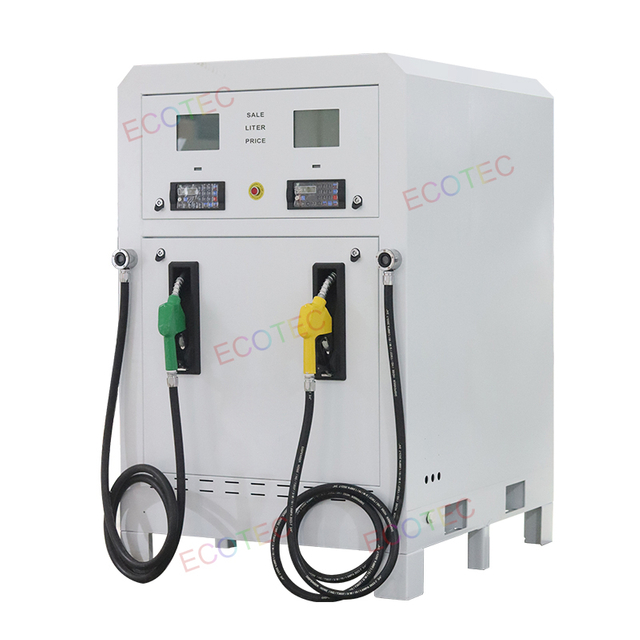
Did you know thatfuel dispensers are vital to the African economy? Choosing the right model can significantly impact efficiency and customer satisfaction. In this article, we’ll explore the most popular fuel dispensers in Africa and discuss their unique features and benefits.
Popular Fuel Dispenser Models in Africa
In the diverse African market, fuel dispensers play a crucial role in ensuring efficient fuel delivery to consumers. Among the various models available, three stand out due to their unique characteristics and features: the Sahara Sunrise Edition, the Nile Blue Edition, and the Serengeti Green Edition. Each of these models caters to the specific needs of the African environment and consumer preferences.
Characteristics of the Sahara Sunrise Edition
The Sahara Sunrise Edition is known for its vibrant orange color, reminiscent of the early morning sun rising over the Sahara Desert. This eye-catching hue makes it highly visible, drawing the attention of drivers from a distance. Its design is not just about aesthetics; it also focuses on functionality. Built for durability, this model is equipped with advanced metering technology to ensure accurate fuel dispensing. The Sahara Sunrise Edition is ideal for gas stations located along highways, where visibility and quick service are paramount.
Features of the Nile Blue Edition
The Nile Blue Edition offers a calming blue design that symbolizes reliability and trustworthiness. This model appeals to consumers looking for a familiar and friendly refueling experience. It is designed with user-friendly interfaces and advanced electronic control systems that enhance operational efficiency. The Nile Blue Edition is particularly suited for urban areas where customer loyalty is critical. Its features include high-precision flow meters that maintain accuracy under various conditions, ensuring customers receive the fuel they pay for.
Advantages of the Serengeti Green Edition
The Serengeti Green Edition stands out with its lush green color, reflecting the rich biodiversity of Africa. This model is perfect for newly established or expanded gas stations, as it signifies freshness and growth. The Serengeti Green Edition incorporates eco-friendly technologies, making it a sustainable choice for fuel dispensers. It is designed to be adaptable to various fuel types, including emerging biofuels, which is increasingly important in the context of environmental sustainability. Additionally, its robust construction ensures longevity, even in challenging weather conditions.
These popular fuel dispenser models are not just tools for dispensing fuel; they are strategic assets that can significantly influence customer behavior and loyalty. By choosing the right model, gas station owners can enhance their operational efficiency and cater to the unique needs of their clientele.
Configuration and Design Considerations
When selecting a fuel dispenser for the African market, understanding the configuration and design considerations is vital. These factors directly impact operational efficiency, maintenance, and overall longevity of the equipment. Here, we explore three key aspects: suction-type fuel dispensers for underground tanks, Tatsuno-type pumps and flowmeters, and the importance of electronic control systems.
Suction-Type Fuel Dispensers for Underground Tanks
Suction-type fuel dispensers are particularly suited for the installation of underground tanks, which is common across many African gas stations. These dispensers work by drawing fuel from the underground storage tank to the pump and then to the nozzle. This design is not only efficient but also minimizes the risk of fuel contamination.
In regions where fuel resources may be limited, the suction-type dispenser provides a straightforward solution for gas station owners. It requires less maintenance compared to other types, making it a popular choice in the African market. Furthermore, its simplicity allows for quick installation and operational readiness, which is essential for maximizing uptime and profitability.
Tatsuno-Type Pumps and Flowmeters
Tatsuno-type pumps and flowmeters are widely recognized for their reliability and accuracy, making them a preferred option in the African fuel dispensing market. These pumps are engineered to deliver consistent flow rates while maintaining precise metering accuracy.
The stability provided by Tatsuno pumps is crucial in a market where fluctuations in fuel quality and supply can occur. With a reputation for durability, these pumps can withstand the harsh conditions often found in Africa, such as high temperatures and humidity. Additionally, their compatibility with various fuel types, including diesel and gasoline, makes them versatile for gas station operators looking to cater to diverse customer needs.
Importance of Electronic Control Systems
The role of electronic control systems in fuel dispensers cannot be overstated. These systems enhance the operational efficiency of dispensers by providing real-time data on fuel flow, inventory levels, and operational status. In the African context, where power supply can be unstable, having robust electronic controls is essential.
Advanced electronic systems can help mitigate issues such as fluctuating fuel data and operational lags, which are common in environments with extreme heat and humidity. For instance, some systems are specifically designed to resist moisture damage and corrosion, extending the lifespan of the dispenser. Moreover, these electronic controls can integrate with mobile monitoring systems, allowing station owners to oversee operations remotely, which is particularly advantageous for managing multiple locations.
Durability and Environmental Adaptability
When it comes to fuel dispensers in Africa, durability and adaptability to environmental conditions are paramount. The continent presents a unique set of challenges, including extreme temperatures, moisture levels, and coastal conditions. Understanding how fuel dispensers can withstand these factors is crucial for gas station owners aiming for longevity and reliability in their operations.
Impact of Extreme Heat on Fuel Dispensers
Many regions in Africa experience extreme heat, which can adversely affect fuel dispensers. High temperatures can lead to electronic malfunctions, inaccurate fuel measurements, and increased wear on components. Dispensers designed for the African market often incorporate heat-resistant materials and advanced cooling systems to mitigate these issues. For example, some models feature specialized coatings that reflect sunlight and reduce heat absorption, thereby maintaining optimal operating conditions.
Moisture Resistance and Corrosion Prevention
Africa's climate also includes periods of heavy rainfall and high humidity, particularly in tropical regions. Moisture can infiltrate dispensers, leading to corrosion of internal components and electrical failures. To combat this, many fuel dispensers come equipped with moisture-resistant seals and corrosion-proof materials. For instance, stainless steel and specially coated metals are commonly used in construction to prolong the lifespan of dispensers. Additionally, manufacturers often implement design features that prevent water accumulation, ensuring that fuel dispensers remain operational even in wet conditions.
Adaptability to Coastal Environments
In coastal areas, saltwater exposure poses another significant threat to fuel dispensers. The corrosive nature of salt can damage both the exterior and internal components of dispensers, leading to costly repairs and replacements. To address this challenge, fuel dispensers operating in coastal environments are often treated with anti-corrosive coatings and designed with materials that resist salt damage. This adaptability not only enhances the durability of the equipment but also ensures consistent performance in varying environmental conditions.
Technological Innovations in Fuel Dispensers
The fuel dispensing landscape in Africa is rapidly evolving due to technological advancements that enhance efficiency, security, and customer experience. As the demand for modern and reliable fuel dispensers grows, several key innovations are shaping the future of fuel dispensing in the region. Here, we discuss three significant technological innovations: smart fuel dispensers with mobile monitoring, integration of payment systems and media screens, and future-proofing through multi-fuel compatibility.
Smart Fuel Dispensers and Mobile Monitoring
Smart fuel dispensers are revolutionizing the way gas stations operate. These dispensers come equipped with advanced sensors and connectivity features that allow real-time monitoring of fuel levels, flow rates, and operational status. Gas station owners can access this data remotely via mobile applications, enabling them to manage multiple locations efficiently. This innovation not only streamlines operations but also helps in identifying potential issues before they escalate, reducing downtime and maintenance costs.
For example, a gas station owner can receive alerts on their smartphone if fuel levels are low or if there are discrepancies in fuel dispensing. This proactive approach ensures that fuel stations remain well-stocked and operational, ultimately leading to increased customer satisfaction.
Integration of Payment Systems and Media Screens
The integration of modern payment systems into fuel dispensers is another game-changer. Today’s consumers expect convenience and flexibility when it comes to payment options. Fuel dispensers now support various payment methods, including credit cards, mobile wallets, and contactless payments. This seamless transaction process enhances the customer experience, allowing for quicker refueling times and reducing congestion at the pump.
Additionally, the incorporation of media screens on fuel dispensers provides an opportunity for gas stations to engage customers while they refuel. These screens can display advertisements, promotions, and even real-time information on fuel prices. This not only serves as a marketing tool but also encourages impulse purchases, driving additional revenue for the gas station.
Future-Proofing with Multi-Fuel Compatibility
As the fuel landscape continues to shift towards cleaner energy alternatives, the need for multi-fuel compatibility in dispensers becomes increasingly important. Modern fuel dispensers are designed to accommodate a variety of fuels, including gasoline, diesel, biofuels, and even electric vehicle charging. This adaptability ensures that gas stations can meet the changing demands of consumers and regulatory requirements.
For instance, a fuel dispenser that supports both traditional fuels and biofuels can attract a broader customer base, including environmentally conscious consumers. Furthermore, as electric vehicles become more prevalent, gas stations equipped with EV charging capabilities can position themselves as forward-thinking businesses ready to embrace the future of transportation.
Safety and Compliance Standards
When it comes to fuel dispensers, safety and compliance standards are paramount. Gas station owners must prioritize these aspects to ensure the safety of their customers and staff while adhering to local regulations. This section delves into three critical areas: the importance of safety features in fuel dispensers, compliance with regulatory standards, and strategies for preventing fuel theft and ensuring security.
Importance of Safety Features in Fuel Dispensers
Safety features are essential in fuel dispensers to protect both users and the environment. Key safety features include:
Emergency Shut-off Valves: These valves can immediately stop fuel flow in case of an emergency, preventing spills and accidents.
Leak Detection Systems: Advanced dispensers come equipped with sensors that detect leaks in the fuel system, alerting operators to potential hazards before they escalate.
Anti-tampering Mechanisms: Features that prevent unauthorized access to the dispenser help protect against fuel theft and ensure accurate metering.
Investing in dispensers with these safety features not only protects your business but also builds trust with your customers, who expect a secure refueling experience.
Compliance with Regulatory Standards
Compliance with local and international regulations is crucial for gas station operations. Different countries have specific standards governing fuel dispensers, including:
UL Certification: Ensures that dispensers meet safety and performance standards.
NFPA Standards: The National Fire Protection Association provides guidelines to minimize fire risks associated with fuel handling.
Local Weights and Measures Regulations: These ensure that dispensers provide accurate fuel measurements, protecting consumers and maintaining fair business practices.
Gas station owners must familiarize themselves with these regulations and ensure their dispensers are compliant. Regular inspections and maintenance can help avoid legal issues and potential fines.
Preventing Fuel Theft and Ensuring Security
Fuel theft is a significant concern for gas station owners, impacting profitability and operational efficiency. Here are some strategies to mitigate this risk:
Surveillance Systems: Installing cameras around the fuel dispensing area can deter theft and provide evidence in case of incidents.
Real-time Monitoring: Advanced dispensers equipped with mobile monitoring systems allow owners to track fuel levels and operations remotely. This capability enables quick responses to irregularities.
Integrated Payment Security: Ensuring that payment systems are secure and compliant with PCI standards helps protect customer data and reduce the risk of fraud.
By implementing these security measures, gas station owners can safeguard their assets and enhance customer confidence.
Cost Considerations and Return on Investment
Selecting a fuel dispenser is not merely about purchasing equipment; it’s a strategic investment that can significantly impact your gas station's profitability. Understanding the total cost of ownership (TCO), evaluating maintenance and serviceability, and ensuring long-term profitability through smart investments are crucial steps in this process.
Understanding the Total Cost of Ownership
The total cost of ownership encompasses more than just the initial purchase price of the fuel dispenser. It includes costs related to installation, maintenance, repairs, upgrades, and operational efficiency over the dispenser's lifespan. When evaluating dispensers, consider:
Initial Purchase Cost: This is the upfront price of the dispenser. However, lower-priced models may lead to higher long-term costs if they require frequent repairs or replacements.
Installation Costs: These can vary based on the complexity of the installation and the specific requirements of your gas station.
Maintenance and Repair Costs: Regular maintenance is essential for ensuring the longevity of the dispenser. Models that are easier to service may save you money in the long run.
Energy Consumption: Some dispensers are designed to be more energy-efficient, which can reduce operational costs over time.
Evaluating Maintenance and Serviceability
A fuel dispenser's design should facilitate easy maintenance and repairs. Consider the following aspects when evaluating serviceability:
Accessibility of Components: Look for dispensers that provide easy access to internal components. This reduces downtime during maintenance and allows technicians to perform repairs quickly.
Diagnostic Features: Modern dispensers often come equipped with diagnostic systems that help identify issues promptly. This can save time and reduce the frequency of service calls.
Modular Design: A modular design allows for individual components to be replaced or upgraded without needing to replace the entire unit. This flexibility can lead to significant cost savings.
Long-Term Profitability Through Smart Investments
Investing in the right fuel dispenser can lead to increased customer satisfaction and loyalty, ultimately driving revenue. Here are ways to ensure long-term profitability:
Durability and Reliability: Choose dispensers known for their robust construction and reliability. This minimizes the risk of downtime and enhances customer trust.
Future-Proofing: Opt for dispensers that offer multi-fuel compatibility and can adapt to changing market demands. This ensures you can cater to emerging fuel types, such as biofuels or electric vehicle charging.
Integrated Technology: Dispensers that incorporate modern payment systems, media screens, and smart monitoring capabilities can enhance the customer experience and drive additional revenue through targeted promotions.
Conclusion
The African fuel dispenser market features popular models like the Sahara Sunrise Edition, Nile Blue Edition, and Serengeti Green Edition. Each model is designed to meet unique consumer needs, focusing on durability, operational efficiency, and environmental adaptability. When selecting a fuel dispenser, consider factors like total cost of ownership and maintenance. Choosing the right dispenser can enhance customer loyalty and operational success. Ecotec offers innovative fuel dispensers that provide exceptional value through advanced features and reliability.
FAQ
Q: What is a fuel dispenser?
A: A fuel dispenser is a device used at gas stations to deliver fuel to vehicles, ensuring accurate measurement and efficient service.
Q: How does a fuel dispenser work?
A: A fuel dispenser operates by drawing fuel from an underground tank and delivering it to the vehicle through a nozzle, using a pump and metering system.
Q: Why are fuel dispensers important in Africa?
A: Fuel dispensers are crucial in Africa for efficient fuel delivery, supporting transportation and commerce in diverse environments.
Q: What are the costs associated with a fuel dispenser?
A: The costs include the initial purchase price, installation, maintenance, and operational expenses over the dispenser's lifespan.
Q: How can I troubleshoot common issues with my fuel dispenser?
A: Common troubleshooting steps include checking for leaks, ensuring power supply stability, and verifying the accuracy of the metering system.
Zhejiang Ecotec Energy Equipment Co., Ltd. is a professional manufacturer of gas station equipment, can offer customer complete solution from design to after-sales service with good price and quality.