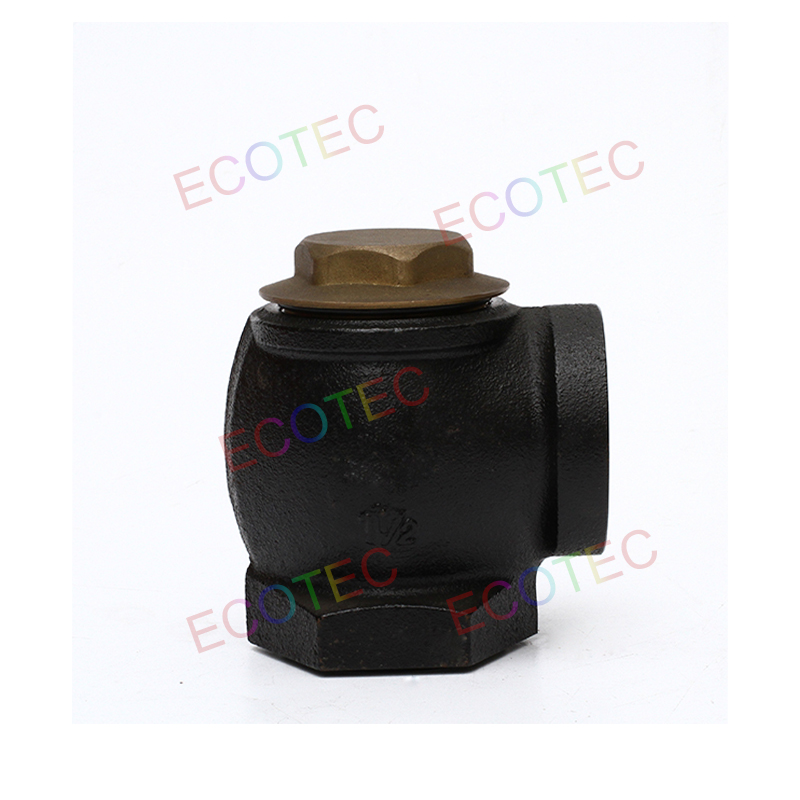
Selecting the right connector is not merely a minor plumbing detail. It stands as a critical risk-management decision for your entire facility. A single failing component can trigger a cascade of catastrophic events. You could face immense environmental remediation costs from subterranean leaks. Regulatory agencies routinely issue severe fines for compliance failures. Even worse, compromised fittings invite catastrophic safety hazards like vapor ignition.
To mitigate these risks, facility managers need an objective, reliable framework. You must evaluate every piece of fuel station equipment meticulously to ensure site safety. This article provides a comprehensive, compliance-focused guide for selecting proper piping and electrical connectors. We will explore material compatibility, regulatory standards, and hidden installation risks. You will learn exactly how to safeguard your site against costly operational failures.
Key Takeaways
Material compatibility must align with specific modern fuel blends (E85, ultra-low sulfur diesel, biodiesel) to prevent accelerated degradation.
Regulatory compliance (IFC 2018, NEC code for hazardous locations) is non-negotiable and drives the baseline specifications for any connector choice.
Implementation risks, such as improper torqueing or ground-shift stress on underground components, often negate the value of high-end hardware if flexible or shear-rated solutions aren't utilized.
The Strategic Role of the Right Connector in Fuel Station Equipment
Every petroleum facility faces immense subterranean liabilities. Operators must compare initial hardware costs against massive risk factors. Choosing a premium connector mitigates the threat of multi-million dollar dispenser fires. It also guards against hidden underground leaks. A cheap, non-compliant fitting might save a few dollars today. However, it exposes your operation to catastrophic financial ruin tomorrow. You must prioritize long-term risk mitigation over short-term procurement savings.
Connectors dictate the overall integrity of your fueling infrastructure. They serve as the primary structural weak points across the site. These components bridge rigid underground piping, emergency shear valves, and above-ground dispensers. Fluid dynamics and ground pressure constantly test these junctions. If a connector fails, the entire containment system fails. We rely on them to maintain absolute equilibrium under stress.
You must address two distinct pathways during hardware selection. First, fluid containment connectors handle high-pressure liquid transfer safely. Second, electrical conduit seals protect the power and data lines. Both pathways demand rigorous attention. Combustible vapors easily migrate through unsealed electrical conduits. You need explosion-proof electrical seals working alongside robust fluid fittings to achieve complete site safety.
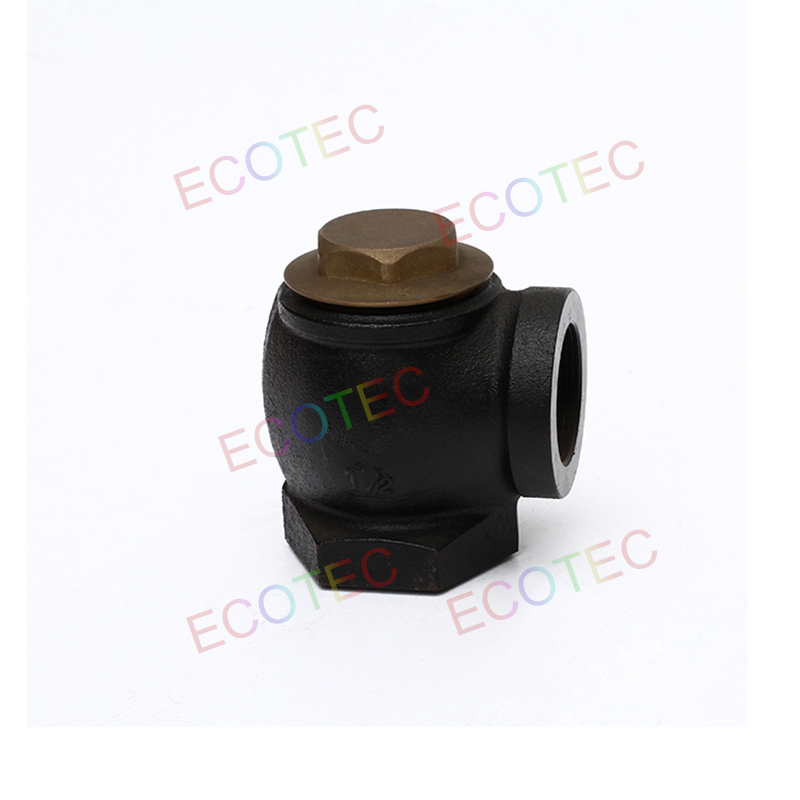
Evaluating Core Connector Types for Fuel Dispensers and Piping
Modern dispenser systems rely on an ecosystem of specialized connectors. Each type performs a highly specific function under distinct environmental stresses. You must match the connector type directly to its intended application zone.
Flexible Connectors (Flex Connectors)
Flexible connectors bridge the critical gap below the dispenser. They link the rigid underground fiberglass or steel piping to the shear valve. This area experiences constant micro-movements. A flex connector absorbs seasonal ground movement and frost heave. It also dampens vibrations from heavy vehicle traffic above. Using them prevents severe stress fractures in your primary fiberglass pipes. We highly recommend braided stainless steel variants for maximum durability.
Rigid and Shear Fittings
You will find rigid shear fittings in crash-impact zones. These sit directly under the fuel dispenser body. Manufacturers design them specifically to fail under trauma. If a vehicle strikes the dispenser, the fitting breaks cleanly. This intentional breakage triggers an internal poppet valve. The valve snaps shut, immediately sealing the fuel line. This instant reaction prevents catastrophic spills and subsequent fire hazards.
Dispenser-to-User Interfaces: Coupling and Swivel Assemblies
The dispenser exterior requires highly dynamic hardware. This interface connects the primary fuel nozzle to the dispenser body. A high-quality coupling and swivel assembly ensures fluid maneuverability for the customer. It integrates seamlessly onto the fuel hose. This setup reduces hose wear and prevents dangerous kinking. It also facilitates safe breakaway functionality during drive-off incidents. When a customer drives away abruptly, the breakaway coupling snaps, sealing both ends of the hose instantly.
Electrical Conduit Seals
Electrical conduit seals manage wiring entering the hazardous classification zone. Dispensers contain intricate electrical panels situated near volatile vapor paths. A proper conduit seal prevents combustible vapors from migrating into these panels. Installers use a specialized potting compound to block off the air gap inside the conduit. This exact process ensures strict NEC (National Electrical Code) compliance.
Connector Type Application Summary
| Connector Type | Primary Application Zone | Key Performance Outcome |
| Flex Connector | Underground pipe to shear valve | Absorbs vibration and ground shifts |
| Shear Fitting | Dispenser base / crash zone | Breaks cleanly to seal fuel lines during impact |
| Swivel & Breakaway | Dispenser exterior to nozzle | Prevents hose kinking and drive-off spills |
| Conduit Seal | Hazardous electrical boundaries | Blocks combustible vapor migration |
Key Evaluation Dimensions: Compliance, Material, and Durability
You cannot select connectors based on size and thread pitch alone. True reliability requires a deep evaluation of material chemistry and regulatory frameworks.
Material Compatibility & Fuel Types
Modern fuel blends destroy standard elastomers rapidly. E85, ultra-low sulfur diesel, and biodiesel present unique corrosive challenges. Traditional nitrile rubber seals swell, crack, and fail when exposed to high ethanol concentrations. You must assess the exact degradation risks for your specific fuel mix. Verify that every component carries the appropriate UL listing. For example, verify UL 971 compliance for non-metallic underground piping systems. Ensure you match the seal compound (like Viton or Teflon) to the specific fluid pumped.
Regulatory & Code Compliance
Regulatory codes establish the non-negotiable baseline for facility safety. Your equipment must align perfectly with local and federal mandates.
IFC 2018 (Chapter 23): This dictates the structural and safety requirements for Motor Fuel-Dispensing Facilities. It outlines mandatory emergency disconnects and shear valve placements.
NEC (NFPA 70): This governs wiring practices in Class I, Division 1 and 2 hazardous locations. It strictly mandates how you must install and pour explosion-proof conduit seals.
EPA Regulations: Federal guidelines dictate subterranean spill prevention and leak detection standards.
Secondary Containment Readiness
Connectors do not operate in a vacuum. They must integrate into broader secondary containment strategies. Evaluate how a connector fits within double-wall piping systems. Ensure it aligns properly over sump leak-detection sensors. We operate under a transparent assumption here. A connector is only as effective as the containment sump monitoring it. If a minor weep occurs, the sump sensor must detect it before it breaches the environment.
Adapting to Specialized Environments
Standard hardware performs adequately in moderate climates. However, specialized environments demand aggressive hardware adaptations. You must adjust your specifications based on geography and weather patterns.
Underground and Frost-Prone Installations
Northern climates subject underground piping to brutal seasonal changes. Frost heave pushes and pulls subterranean structures violently. You need high-flexibility braided stainless steel connectors to withstand these ground shifts. Rigid pipes will crack under such tension. You must also decide between direct-bury capabilities and sump-enclosed requirements. Sump-enclosed setups provide easier inspection access. However, some deep-bury scenarios require specialized protective sleeves to prevent soil corrosion on the steel braid.
Marine and Harsh Weather Fueling
Waterfront fueling introduces aggressive salt-spray corrosion. Marine environments destroy standard zinc-plated hardware within months. You need superior corrosion resistance for these installations.
Specify 316 stainless steel for all external fittings.
Apply specialized marine-grade coatings to exposed threaded joints.
Install enhanced breakaway tolerances over open water to prevent wave-induced accidental disconnects.
Utilize UV-resistant composites for any exposed non-metallic components.
Environmental safeguarding over water requires zero-tolerance policies for drips. Even a minor weep creates an immediate environmental crisis in a marina.
Implementation Risks and Installation Realities
Premium hardware cannot compensate for poor workmanship. Installation errors routinely compromise the most expensive connectors on the market. Facility managers must monitor contractor practices closely.
Contractor Error & Over-Torquing
Installers often rely on muscle memory rather than torque wrenches. Ignoring manufacturer-specified torque limits invites immediate failure. Over-torquing causes severe thread galling on stainless steel fittings. It also crushes internal O-rings, creating microscopic leak paths. You must enforce strict torque specifications during site construction. Demand that contractors document their torque values for critical underground junctions.
Improper Potting of Electrical Seals
Explosion-proof electrical seals require careful chemical potting. Contractors must mix a specialized powder and liquid compound. If they mix this poorly or pour it at incorrect temperatures, it fails to cure properly. An improper cure leaves air voids inside the conduit. These voids nullify the explosion-proof rating instantly. Combustible vapors will travel through these voids directly into the main electrical breaker panel. This represents a massive hidden danger on many sites.
Twisting Stress on Flex Connectors
Flexible connectors handle lateral and vertical movement well. They do not handle torsional twist. Contractors sometimes install flex connectors with a slight twist to align mis-matched pipe threads. This twisting stress drastically reduces the connector lifecycle. It severely compromises the pressure rating of the braided steel.
Common installation mistakes to watch out for:
Failing to use two wrenches (backing up the fitting) when tightening flex lines.
Pouring electrical potting compound in freezing temperatures.
Reusing old gaskets or crushed O-rings on new shear valves.
Leaving braided steel exposed directly to acidic backfill soil.
Shortlisting Logic: How to Finalize Your Selection
Selecting the final hardware requires a systematic approach. You must look past marketing brochures and evaluate empirical data. Use a structured vetting process to finalize your site specifications.
Vetting Manufacturers
Do not accept vague quality claims. Look for transparent testing data and verified field reliability. Demand ISO manufacturing certifications. A reputable manufacturer will readily supply failure-rate data and independent lab results. They should prove how their elastomers perform under prolonged E85 exposure. Verify their track record within your specific climate zone.
Warranty vs. Lifecycle
Read the fine print on product warranties. A ten-year warranty sounds impressive until you read the exclusions. Many warranties void immediately if used with unapproved fuel blends. Evaluate the realistic lifecycle of the component under actual site conditions. Focus on verified lifecycle durability rather than theoretical warranty lengths. If a part fails, the labor to excavate and replace it often costs more than the part itself.
Standardization
Consider standardizing on a single manufacturer across your entire site. Mix-and-match approaches complicate maintenance routines. Standardizing your base connectors ensures component interoperability. It streamlines your spare parts inventory. Your maintenance teams will learn the specific quirks and torque requirements of one brand. This familiarity drastically reduces installation errors during future repairs.
Conclusion
Choosing a connector remains a fundamental exercise in liability management. It directly dictates your long-term facility uptime. You must prioritize material compatibility, environmental demands, and strict regulatory adherence. Do not let improper installation practices ruin premium hardware investments.
Always consult with certified petroleum equipment contractors during the design phase. Engage specialized electrical engineers to map out your hazardous boundary zones. Finally, validate all selected hardware against your local AHJ (Authority Having Jurisdiction) requirements before breaking ground. A proactive, compliance-first approach secures your infrastructure and protects your surrounding environment.
FAQ
Q: How often should a flexible connector be inspected or replaced?
A: You must conduct visual inspections annually during routine containment sump checks. Look for frayed steel braiding or weeping fluids. Manufacturers state specific lifespans, usually between 5 to 10 years. However, harsh biofuels and extreme ground shifts accelerate this timeline significantly. Always replace them immediately if they show structural distortion.
Q: Can I use standard electrical conduit connectors inside a fuel dispenser?
A: No. You cannot use standard fittings. The NEC mandates explosion-proof, poured-seal fittings for Class I hazardous locations. You must block the conduit path with an approved potting compound. This prevents combustible fuel vapors from traveling up the wiring conduit and igniting inside main breaker panels.
Q: What is the difference between a standard fuel hose connector and a breakaway coupling?
A: A standard connector simply joins the hose to the dispenser plumbing. A breakaway coupling incorporates a distinct safety mechanism. It features an engineered weak point. If a customer drives off with the nozzle attached, the breakaway snaps under high tension. It seals instantly to prevent spills and dispenser tip-overs.
Q: Do alternative fuels require specialized connectors?
A: Yes. Modern alternative fuels like E85 and biodiesel are highly corrosive. They rapidly degrade standard nitrile rubber seals. You must specify UL-listed components specifically rated for these biofuels. Using improper elastomers causes seal swelling, brittleness, and premature subterranean fluid leaks.


