LPG (Liquefied Petroleum Gas) is one of the most widely used sources of fuel for both residential and commercial purposes. Whether you need it for cooking, heating, or powering certain appliances, LPG cylinders offer a versatile and efficient solution. However, with the variety of sizes, materials, and specifications available, choosing the right LPG cylinder for your home or business can be a challenge.
Whether you are setting up a new home or upgrading your business’s energy system, selecting the appropriate LPG cylinder is critical to ensure efficiency, safety, and cost-effectiveness. At ZHEJIANG Ecotec Energy Equipment Co., Ltd., we specialize in providing top-quality LPG equipment, including LPG cylinders, to suit various needs. In this article, we’ll walk you through the process of choosing the right LPG cylinder, understanding different cylinder types, and considering key factors like size, capacity, and usage.
What is an LPG Cylinder?
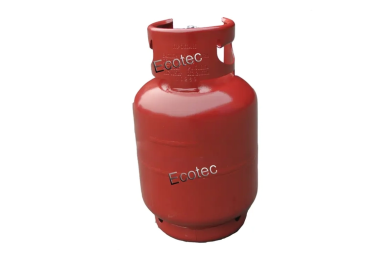
An LPG cylinder is a container used to store liquefied petroleum gas, which is commonly used for heating, cooking, and even fueling vehicles in some applications. These cylinders are designed to store LPG in a liquid form under pressure, allowing it to be used efficiently in a wide range of settings. LPG cylinders are typically made from steel or aluminum and are available in various sizes to accommodate different fuel needs.
When choosing the right LPG cylinder, it’s essential to understand how these cylinders are rated in terms of capacity, material, and usage to ensure that you select the best one for your specific requirements.
Factors to Consider When Choosing an LPG Cylinder for Your Home or Business
1. Capacity and Size
The size of the LPG cylinder plays a crucial role in its suitability for different applications. LPG cylinders are typically available in various capacities, ranging from small portable cylinders for home use to larger industrial cylinders for business or commercial use. Choosing the right size depends on how frequently you use LPG and the type of appliances or equipment it will be powering.
Small Cylinders: Usually ranging from 5 kg to 15 kg, these are perfect for residential use, such as for cooking or heating in homes and small apartments.
Medium Cylinders: These range from 20 kg to 50 kg and are often used for larger homes, restaurants, or small businesses requiring moderate amounts of LPG.
Large Cylinders: These cylinders, which can hold over 100 kg, are best suited for businesses with high fuel demands, such as industrial kitchens, large hotels, or factories.
When selecting a cylinder, it’s important to consider your gas consumption rate. A larger cylinder may offer longer-lasting fuel, reducing the frequency of cylinder changes, while a smaller one may be more suitable for lighter, less frequent use.
2. Material of the Cylinder
The material used to manufacture the LPG cylinder is another important factor to consider. Cylinders are generally made from either steel or aluminum, with each material offering distinct advantages.
Steel Cylinders: Known for their durability and robustness, steel cylinders are often used for industrial applications where the cylinder will face tough conditions, including high impact or constant exposure to the elements. Steel cylinders are also typically more affordable than aluminum ones.
Aluminum Cylinders: Lighter than steel, aluminum cylinders are ideal for situations where portability is crucial, such as for camping, mobile homes, or smaller residential applications. Aluminum cylinders also tend to have a longer lifespan as they are less prone to rusting.
While both steel and aluminum cylinders are highly reliable, choosing the right material depends on your specific use case, weight considerations, and budget.
3. Cylinder Valve Type
The valve of the LPG cylinder is another essential consideration when selecting the right cylinder for your home or business. The valve controls the flow of gas from the cylinder to your appliance or equipment. There are two main types of LPG cylinder valves:
Manual Valves: These valves must be manually opened and closed by the user. They are straightforward but require attention to ensure they are securely closed after use.
Automatic Valves: These are equipped with safety features that automatically shut off the flow of gas when it’s no longer in use. These types of valves are generally safer and more convenient, especially in commercial applications.
When choosing a cylinder, make sure that the valve type is compatible with your appliances and meets the safety standards required for your business or home.
4. Cylinder Certification and Compliance
LPG cylinders are subject to safety regulations and certification standards to ensure that they are safe to use. When choosing an LPG cylinder, it’s important to verify that it meets the relevant safety certifications and is compliant with local regulations. These standards typically include requirements for pressure resistance, corrosion resistance, and the ability to withstand temperature fluctuations.
It is also essential to check that the cylinder is properly inspected and stamped with the certification mark. This ensures that it has passed the necessary safety and quality checks before being put into service.
5. Usage and Application
The type of LPG cylinder you choose will depend on its intended application. Whether you’re using it for residential cooking, heating, or powering equipment in a business, it’s crucial to select the right size and type of cylinder based on your needs.
For Residential Use: If you plan to use LPG for cooking and heating, a smaller LPG cylinder (5 to 15 kg) will typically suffice. These cylinders are easy to store and can be conveniently replaced or refilled.
For Commercial Use: For restaurants, hotels, or factories with higher fuel demands, larger cylinders (20 kg to 100 kg or more) are recommended to ensure a constant supply of LPG for cooking, heating, or industrial processes.
For Special Applications: If you plan to use LPG for specialized purposes such as powering vehicles, consider cylinders designed specifically for autogas applications.
Maintenance and Safety Tips for LPG Cylinders
Proper maintenance and safety practices are essential for ensuring the safe and efficient operation of LPG cylinders. Here are some key tips for maintaining your LPG cylinders:
Inspect Regularly: Regularly check the cylinder for signs of damage, corrosion, or leakage. If you notice any issues, it’s important to get the cylinder inspected and repaired by a professional.
Proper Storage: Store LPG cylinders in a well-ventilated, dry area away from direct sunlight, heat sources, or open flames. Always store them upright to prevent leaks.
Don’t Overfill: Ensure that the cylinder is filled to the correct level and never overfilled. Overfilling can lead to pressure buildup, increasing the risk of leaks or accidents.
Safety Valves: Make sure the safety valves are in good working condition. Always check for leaks after connecting the cylinder and before using it.
Handling with Care: When moving or replacing cylinders, always handle them carefully to avoid impact damage or leakage.
Conclusion
Choosing the right LPG cylinder is crucial for ensuring that your home or business operates smoothly and safely. Factors such as cylinder size, material, valve type, and certification all play an essential role in making the right choice. Whether you're refilling a small residential cylinder or managing the needs of a large commercial operation, understanding the features and benefits of each type of cylinder will help you select the best option for your needs.
At ZHEJIANG Ecotec Energy Equipment Co., Ltd., we offer a wide range of high-quality LPG cylinders and filling equipment designed to meet the diverse needs of homes, businesses, and industrial applications. Our products are built for safety, durability, and performance, ensuring that you get the best value and peace of mind.
FAQ
Q: What size LPG cylinder should I choose for home use?
A: For most homes, a 5-15 kg LPG cylinder is sufficient for cooking and heating needs. These sizes are manageable and provide adequate fuel for typical household consumption.
Q: Can I use LPG cylinders for commercial cooking?
A: Yes, larger LPG cylinders (20 kg to 50 kg or more) are ideal for businesses such as restaurants or hotels where high fuel demands are common.
Q: How do I know if my LPG cylinder is safe to use?
A: Ensure that the cylinder has been inspected, complies with safety standards, and is free from damage or corrosion. Always check for any gas leakage before use.
Q: How often should I replace my LPG cylinder?
A: It depends on usage and the condition of the cylinder. Regular inspection and proper maintenance can extend the life of the cylinder, but it’s essential to replace it if it shows signs of wear or damage.


