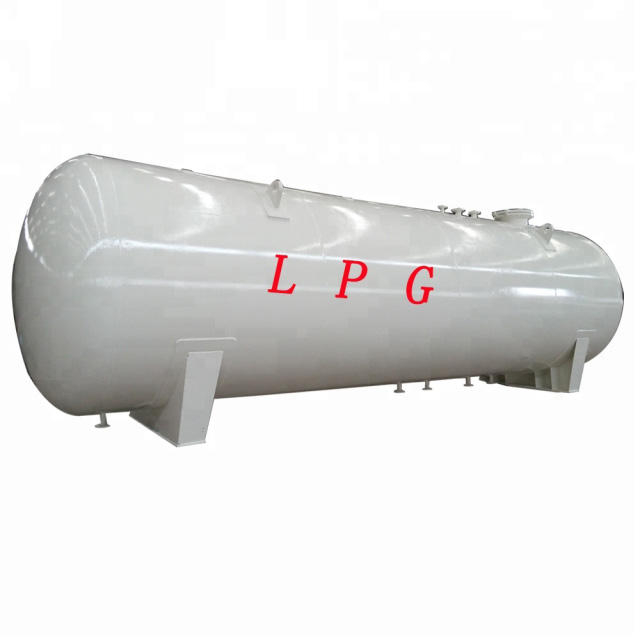
Investing in commercial-scale propane infrastructure is a high-stakes capital expense. Selecting the wrong tank size, material, or installation method often causes operational downtime. You risk severe compliance fines or inadequate vaporization during peak loads. We understand these pressures.
A 10 to 20-ton capacity does not serve standard residential use. It supports heavy industrial applications. You will find this size powering agricultural heating, fleet fueling, or large community backups. These operations demand precise engineering and absolute reliability. A single failure point disrupts entire production lines.
Our objective is straightforward. We provide a transparent, evidence-based evaluation framework. You will learn how to calculate true working capacity accurately. We help you navigate installation realities without vendor bias. This guide ensures your next heavy-duty tank deployment runs smoothly and safely.
Key Takeaways
Capacity Reality Check: A 20 CBM above ground tank only offers roughly 60% of its nominal volume as effective working capacity due to thermal expansion limits and minimum pressure requirements.
TCO Advantage: Above-ground tanks command roughly 70% of the market because they eliminate the need for expensive excavation and subterranean anti-corrosion monitoring.
Compliance is Non-Negotiable: Installation mandates strict adherence to NFPA 58 setback regulations, specific concrete foundation requirements, and mandatory UV-reflective coatings.
Environmental Resilience: Above-ground setups are structurally safer in flood zones (bolted to concrete) but require careful vaporization rate calculations in extreme cold.
The 60% Rule: Calculating True Usable Capacity
Commercial buyers face a common business problem during procurement. They often match their maximum BTU load to the nominal capacity of the vessel. This calculation error leads to unexpected pressure drops. Your entire heating or fueling system can shut down unexpectedly.
Industry regulations enforce strict filling limits for safety. You can never fill an LPG Storage Tank past the 80% mark. This empty upper space allows for necessary thermal expansion. Propane expands rapidly when ambient temperatures rise. Overfilling creates catastrophic internal pressure hazards. The 80% safety limit prevents pressure relief valves from venting hazardous gas into the air.
You must also respect the 20% pressure threshold. Drawing liquid propane below the 20% mark creates mechanical problems. It significantly reduces the wetted surface area inside the vessel. Propane requires a large wetted surface area to absorb outside heat. Heat absorption drives the vaporization process. A low liquid level often causes a failure to maintain sufficient vaporization pressure. High-load commercial equipment simply starves for fuel.
We combine these two factors into a practical evaluation framework. This creates the "60% usable capacity" rule. Imagine you deploy a 20 CBM Above Ground Tank for your facility. You must structure your refill logistics around 12 CBM of actual working fuel. Load expectations must align strictly with this 60% reality.
Usable Capacity Calculation Chart
Nominal Tank Size | Max Fill Limit (80%) | Min Draw Limit (20%) | Effective Working Capacity |
10 CBM | 8 CBM | 2 CBM | 6 CBM |
15 CBM | 12 CBM | 3 CBM | 9 CBM |
20 CBM | 16 CBM | 4 CBM | 12 CBM |
Above-Ground vs. Underground at the Industrial Scale
We must compare placement methods through an industrial lens. Commercial facilities demand unique operational priorities. You need rapid access, high safety, and consistent fuel delivery.
Above-ground placement offers strong maintenance pros. You face lower initial capital expenditure. Heavy excavation is entirely unnecessary. Visual inspections for rust, dents, or valve corrosion remain straightforward. Technicians can spot problems instantly during routine walks. You also bypass specialized underground protective measures. Underground steel requires sacrificial anodes to prevent soil corrosion. You avoid periodic coating tests entirely.
We must address the common flood zone misconception. Above-ground tanks are actually safer in flood plains. Technicians bolt them directly to engineered concrete foundation pads. This creates immense structural stability. Partially empty underground tanks suffer from massive buoyancy. Rising ground water pushes against the empty vessel volume. They can literally float out of the ground. This destroys attached piping and creates severe hazard zones.
Cold weather presents a specific trade-off. Underground tanks benefit from steady geothermal insulation. However, an above-ground 10 Ton LPG Tank in a sub-zero climate faces vaporization challenges. Heavy generators draw massive continuous fuel loads. The liquid propane can self-refrigerate rapidly. This drops the vaporization rate below equipment requirements. You mitigate this challenge effectively. Discuss installing secondary vaporizers with your engineers. You can also manifold multiple tanks together to increase the total wetted surface area.
Material Durability and Lifecycle Maintenance
You must move beyond the initial purchase price. Long-term lifecycle durability determines actual investment success. Facilities need assets capable of operating flawlessly for decades.
Material selection drives overall vessel longevity. You have two primary options at the industrial scale.
High-Yield Steel: This is the dominant industry standard for pressure vessels. Steel is exceptionally heavy and extremely durable. It handles severe internal pressures effortlessly. However, steel requires vigilant exterior rust prevention.
Fiberglass / Composites: These materials offer superior corrosion resistance. They never rust. However, they remain highly uncommon at the 10-20 ton industrial scale. Structural rigidity under extreme commercial loads limits their widespread use.
You must factor annual maintenance into your planning. Technicians conduct mandatory valve testing every year. Pressure checks ensure the relief systems function properly. You also need major structural inspections every five years. These verify weld integrity and wall thickness.
Paint degradation represents a serious structural threat. Faded paint is never just a cosmetic issue. It compromises the structural integrity against intense UV rays. NFPA requirements specify light-reflective colors strictly. You must paint your vessels white or silver. Dark colors absorb excessive solar radiation. This causes the liquid inside to expand rapidly. It triggers internal over-pressure and forces the relief valve to open.
Material Comparison Table
Material Type | Durability Rating | Maintenance Needs | Market Availability (10-20 Ton) |
High-Yield Carbon Steel | Excellent | High (Rust prevention, painting) | Very High (Standard) |
Fiberglass / Composites | Good | Low (No rust) | Very Low (Rare at this scale) |
Site Preparation and NFPA 58 Compliance Realities
Buying the vessel is only half the battle. Your site preparation dictates the ultimate success of the rollout. Poor site prep guarantees delayed timelines and failed inspections.
Foundation engineering requires absolute precision. A full 20 CBM vessel represents immense point-loading. The combined weight of thick steel and liquid propane is massive. You must pour reinforced, perfectly leveled concrete foundation pads. Soil alone cannot support this concentrated mass. Uneven settling stresses the connected piping and causes dangerous leaks over time.
Regulatory setbacks define your site layout. NFPA 58 dictates strict spatial constraints for propane storage. You cannot place a massive fuel vessel anywhere you want. It must sit specific minimum distances away from key structures. These regulations protect surrounding assets during emergencies.
Keep the vessel at least 50 feet away from any vital buildings.
Maintain clear setback distances from all property lines.
Remove all combustible materials within a 25-foot radius.
Eliminate any potential ignition sources from the immediate vicinity.
Logistics require careful advanced planning. Delivering this equipment involves heavy crane rigging. Heavy-haul trucking must maneuver a massive footprint into your facility safely. You must map the delivery path meticulously. Avoid driving massive transport trucks over underground hazards. Septic systems, water mains, or drainage culverts collapse easily under extreme delivery weight.
Shortlisting Vendors and Next-Step Actions
Your shortlisting logic determines project success. You must evaluate the tank supplier carefully. Your installation partner matters just as much as the steel quality. Look for established track records in heavy industrial deployments.
Telemetry and automation separate modern vendors from outdated ones. Advise your procurement team to shortlist vendors offering digital monitoring systems. Manual checking is highly inefficient at 10-20 tons. Cellular or satellite telemetry updates fuel levels continuously. Automation prevents unexpected outages and optimizes your refill delivery schedules.
Contract structures require close review. Differentiate clearly between buying and leasing options.
Buying Outright: This requires higher initial capital expenditure. However, it provides ultimate freedom. You can choose any fuel supplier you want. You negotiate the best propane rates every season.
Leasing: This provides lower initial capital expenditure. The vendor installs their own equipment on your site. However, leasing locks you into one supplier's specific fuel rates. You lose long-term negotiating leverage.
Your actionable next step is clear. Do not request quotes blindly. Conduct a certified site survey first. Have an engineer map out exact BTU load requirements. Cross-reference these loads against local climate data. Once you calculate your exact working capacity needs, you can submit a precise RFQ.
Conclusion
Purchasing an above-ground 10 to 20-ton LPG tank requires strategic balance. You must weigh upfront capital against long-term maintenance requirements. Strict spatial compliance ensures safety and prevents regulatory fines. Thermodynamic realities dictate your true usable fuel volume.
Prioritize a solid, reinforced concrete foundation above all else. Adhere strictly to the 60% usable volume calculation to prevent pressure drops. Ensure routine UV-protective maintenance to protect the steel envelope. Taking these exact steps guarantees a safe, reliable 20-30 year lifespan for your industrial asset. Begin by scheduling a professional site survey to map your exact operational requirements.
FAQ
Q: Can an above-ground LPG storage tank freeze in the winter?
A: Propane itself does not freeze at normal winter temperatures. Its freezing point is -306°F. However, in extreme cold, an above-ground tank can lose its ability to vaporize the liquid into gas. This happens under heavy equipment draw. It causes a severe pressure drop. Proper sizing or secondary vaporizers are critical.
Q: How can I quickly check the liquid level if the gauge is broken?
A: Use the warm water method. Pour a bucket of warm water down the side of the steel tank. Run your hand down the wet metal. The spot where the metal suddenly feels very cold to the touch indicates the exact liquid line. The propane inside is absorbing the heat.
Q: Is it safe to paint my 20 CBM tank a dark corporate color to match my building?
A: No. Safety regulations like NFPA 58 mandate strict paint rules. Propane tanks must be painted in light, reflective colors such as white or silver. Dark colors absorb solar radiation. This causes the liquid inside to expand rapidly. It triggers the pressure relief valve to vent hazardous gas.
Q: Why is the installation cost for an above-ground tank cheaper than underground?
A: Above-ground installations avoid heavy excavation and backfilling. You eliminate expensive labor hours. You also avoid installing specialized anti-corrosion systems like sacrificial anodes. Underground steel requires these anodes to protect against aggressive soil degradation. Above-ground tanks only require a simple concrete foundation pad.