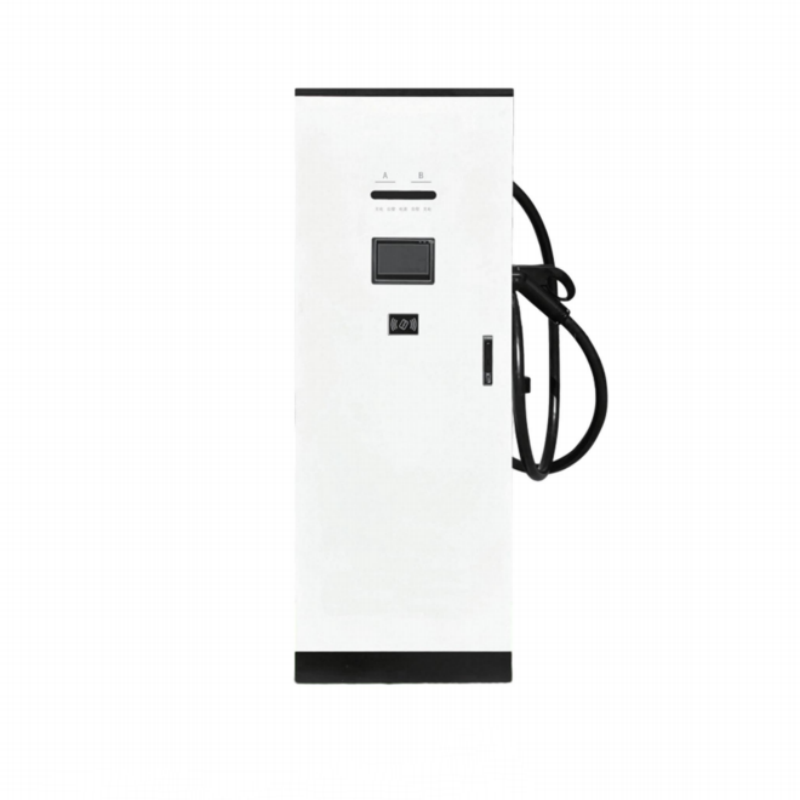
You are evaluating infrastructure options for an expanding electric fleet or a new commercial site. You keep seeing the term "DC" everywhere, but what exactly does it mean? In electrical terms, it stands for Direct Current. The technical distinction between current types is crucial for commercial success. Electric vehicle batteries naturally store power in Direct Current. However, local utility grids only supply Alternating Current (AC). Every vehicle must convert this grid power to store it properly. A massive infrastructure shift is happening globally. A DC Charger completely bypasses the vehicle’s slow onboard converter. It pushes high-voltage electricity straight into the battery pack. We must frame this decision carefully. You are now balancing heavy capital expenditure against strict dwell-time requirements. Your revenue-generation models depend entirely on this underlying hardware. This guide explains the mechanisms, hardware ecosystems, and deployment risks. You will learn exactly how to procure the right high-speed infrastructure.
Key Takeaways
Speed vs. Cost: DC chargers (Level 3) offer rapid charging (15 to 45 minutes) but require significantly higher initial capital and grid capacity compared to AC alternatives.
Hardware Standards Matter: Selecting the right connector types (e.g., a CCS charger vs. legacy types) dictates fleet compatibility and protects hardware investments.
Site Feasibility is the Bottleneck: The primary barrier to a DC fast charger rollout is not hardware availability, but local grid capacity and trenching costs.
Software Agnosticism: Future-proof deployments require Open Charge Point Protocol (OCPP) compliance to avoid vendor lock-in.
The Core Mechanism: How a DC Charger Differs from AC Hardware
We must examine the power conversion location first. Alternating Current charging relies entirely on the vehicle itself. You plug a standard cable into the car. The vehicle's internal converter transforms that power into Direct Current. This onboard component is physically small. It acts as a massive bottleneck for charging speed. Most commercial AC units peak between 7kW and 22kW. They simply cannot push energy faster than the vehicle allows.
High-speed direct current hardware flips this script completely. We place heavy, high-capacity rectifiers inside the physical charging pedestal. These external converters handle the heavy lifting. They bypass the internal systems entirely. This unlocks tremendous power output capabilities. A standard commercial installation usually starts around 50kW. Highway corridor models easily reach 350kW or more. They deliver hundreds of miles of range in mere minutes.
This power comes with intense grid implications. These stations pull enormous electrical loads instantly. They will drastically alter your site demand profile. A single high-speed session creates an immediate spike in grid usage. You must prepare your local electrical connection for these sudden shocks. Utilities monitor these spikes closely. They will penalize unprepared operators heavily.
| Feature Comparison | Commercial AC Hardware | Commercial DC Hardware |
| Conversion Location | Inside the vehicle | Inside the pedestal |
| Typical Power Output | 7kW – 22kW | 50kW – 350kW+ |
| Charging Duration | 4 to 12 hours | 15 to 45 minutes |
| Grid Impact | Low to moderate | Extremely high peak demand |
| Installation Complexity | Standard electrical work | Extensive civil engineering |
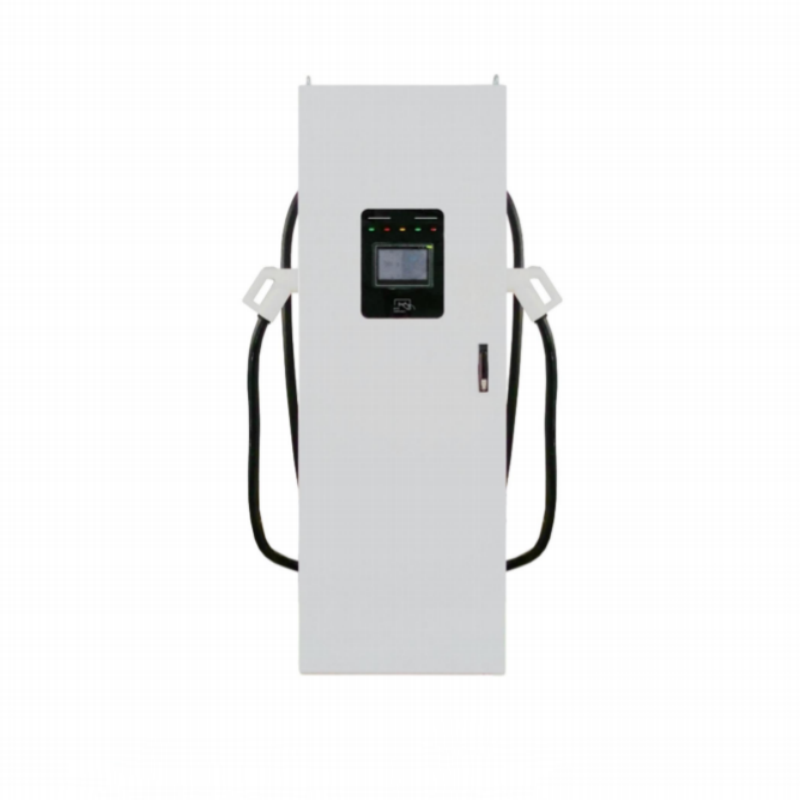
Connector Ecosystems: Future-Proofing Hardware Compatibility
The electric vehicle industry uses several physical plug standards. You must align your hardware with your target users. Selecting the wrong cables guarantees stranded assets.
We see the CCS charger dominating global markets today. CCS stands for Combined Charging System. It operates as the primary standard across North America and Europe. Every major public network relies heavily on it. Automakers build millions of vehicles specifically for this plug. You absolutely need it for commercial scalability. It represents the safest baseline choice for most global operators.
However, an industry transition is actively underway. We must address the North American Charging Standard (NACS). Tesla originally created this proprietary plug. The entire industry is now rapidly adopting it. Modern hardware must support NACS natively. If you buy equipment today, ensure you can upgrade it easily in the field. Dual-cable units offering both major standards provide excellent risk mitigation.
You will also encounter legacy systems. The CHAdeMO charger faces a declining market share. Automakers are phasing it out of new passenger vehicles. Yet, it remains highly relevant for specific use cases. Older Nissan and Mitsubishi fleets still rely on it exclusively. It also supports bidirectional power transfer natively. We suggest deploying balanced cable configurations for public sites. Do not alienate legacy drivers prematurely.
Finally, we look at the GB/T charger standard. China dictates this specialized national format. You only need it if you operate within Chinese markets. You might also encounter it if you procure raw hardware directly from overseas manufacturers. Regional compliance differences are severe here. Always verify local safety certifications before importing foreign hardware.
Evaluating the Business Case: When to Invest in a DC Fast Charger
Why spend premium capital on rapid charging infrastructure? We must evaluate exact business use cases logically. A poor deployment strategy destroys profitability quickly.
We recommend mapping vehicle dwell time directly to your hardware choices. Consider these distinct operational scenarios:
1-4 Hours (Workplace or Overnight): We strongly advise against high-power investments here. Level 2 alternating current works perfectly. Vehicles sit long enough to reach a full state of charge. Employees or hotel guests do not need rapid turnaround times. Save your capital.
15-45 Minutes (Retail, Highways, Depots): This scenario demands a DC fast charger. Rapid turnover completely justifies the premium equipment cost. Drivers need immediate range top-ups. Delivery vans must return to routes instantly.
Let us break down potential revenue models. You can generate return on investment through per-kWh pricing strategies. You sell electricity at a profitable markup. You might also implement time-based parking fees for high-demand locations. Retailers see a massive increase in secondary foot traffic. Drivers buy expensive food and coffee while they wait for their battery.
Fleet operational efficiency changes the mathematical models entirely. Fast charging acts as a critical risk-mitigation tool. It virtually eliminates unpredictable fleet downtime. Your heavy delivery trucks spend much more time on the road. Increased vehicle utilization easily offsets the higher initial capital expenditure. We see logistics companies improving their daily delivery metrics significantly through rapid top-ups.
Best Practices for Business Case Evaluation
Audit your daily vehicle dwell times before requesting vendor quotes.
Model your expected utilization rates during off-peak and peak hours.
Calculate potential retail revenue increases alongside pure energy sales.
Key Evaluation Criteria for Procurement and Shortlisting
Hardware procurement requires intense scrutiny. You should never buy equipment based solely on maximum power output stickers.
Scalability and modularity matter more than anything else. We highly recommend modular cabinet designs. You might start your deployment with a 60kW base unit. As your site demand grows, you simply slot new power modules into the existing cabinet. You can seamlessly upgrade to 120kW or 180kW later. This strategy perfectly prevents stranded assets. It lets your infrastructure grow alongside your actual revenue.
Software and cybersecurity form the next critical pillar. Your chosen hardware must run the Open Charge Point Protocol natively. Look for absolute compliance with OCPP 1.6J or 2.0.1. This industry standard keeps your system completely vendor-agnostic. It cleanly separates the physical metal from the cloud management software. You avoid restrictive vendor lock-in. You can change software providers anytime without replacing expensive hardware.
Uptime and comprehensive service-level agreements guarantee your investment. You must assess vendor reliability deeply. Insist on strict contracts ensuring at least 97% availability. The hardware must feature advanced remote diagnostic capabilities. Technicians should reboot units from the cloud. Robust liquid-cooling systems prevent thermal throttling during summer months. If a physical part fails, you need a local technician dispatched immediately.
Implementation Realities and Deployment Risks
Deploying major electrical infrastructure introduces significant friction. Real-world implementation rarely matches the original spreadsheet.
Utility lead times present your most critical project risk. Grid constraints derail many promising installations. You must initiate formal utility site assessments extremely early. Do this several months before finalizing any equipment purchases. Your local neighborhood grid might lack the required high-voltage capacity. Utilities move slowly. They often dictate your entire deployment schedule.
Trenching and civil works hide massive project expenses. You will inevitably trench through thick concrete. You might need to upgrade local distribution transformers. You require heavy-gauge electrical conduit for high-voltage runs. These mandatory civil works often cost much more than the actual charging units. Do not underestimate construction labor costs.
Permitting and compliance create complex regional hurdles. You must meet strict accessibility guidelines. Heavy liquid-cooled cables pose real physical challenges for some users. Regulators scrutinize cable management systems closely. You must design perfectly accessible parking bays. Wheelchair users need adequate turning radii around the pedestals. Screens must sit at appropriate heights.
Peak demand penalties destroy operational budgets quickly. Unmanaged commercial charging triggers severe utility demand fees. A single simultaneous charging session during peak hours can ruin your monthly economics. Utilities charge you based on your highest single spike in power usage.
Common Mistakes in Deployment
Ordering hardware before securing written utility grid approvals.
Ignoring the physical weight and limited flexibility of 350kW liquid-cooled cables.
Placing pedestals too far from the main switchgear, ballooning conduit costs.
Failing to integrate load-balancing software to cap peak facility demand.
We strongly suggest integrated mitigation strategies. Deploying active load-balancing software helps manage these sudden grid spikes. It dynamically limits power output when building usage peaks. You might also pair your pedestals with stationary battery storage. The battery absorbs the utility spikes smoothly.
Conclusion
Deploying direct current infrastructure is a massive long-term operational commitment. It is never merely an equipment purchase. You are physically building an integrated high-voltage energy ecosystem.
You must map your hardware capabilities strictly against real vehicle dwell times. Always prioritize modular designs and open software standards like OCPP. Prepare your budget for significant civil engineering works. Engage your local utility company months in advance.
For your immediate next steps, we recommend commissioning a comprehensive site energy audit. You should completely analyze your daily fleet schedules and traffic patterns. Gather this operational data before shortlisting any specific vendors. Precision planning ensures highly profitable charging deployments.
FAQ
Q: Does every EV support DC fast charging?
A: No. While almost all modern battery-electric vehicles support it natively, certain older models do not. Furthermore, many plug-in hybrid electric vehicles (PHEVs) lack the necessary hardware for high-speed direct current inputs due to their very small battery packs.
Q: What is the difference between a Level 3 charger and a DC fast charger?
A: The industry uses these terms interchangeably. Both refer to high-power commercial equipment that entirely bypasses the vehicle's onboard converter. They push electricity straight into the battery pack, providing the fastest possible charging speeds available today.
Q: Can I install a DC charger at home?
A: It is highly impractical. Standard residential electrical panels cannot support the massive instant power draw required. Furthermore, commercial equipment costs tens of thousands of dollars. The required utility grid upgrades make it financially unviable for private residential use.
Q: Are CHAdeMO chargers becoming obsolete?
A: Yes, market share is declining rapidly as automakers transition to standardized CCS and NACS plugs. However, older fleets still require them. Public station operators often include dual-cable configurations to support legacy drivers and accommodate emerging bidirectional power applications.


