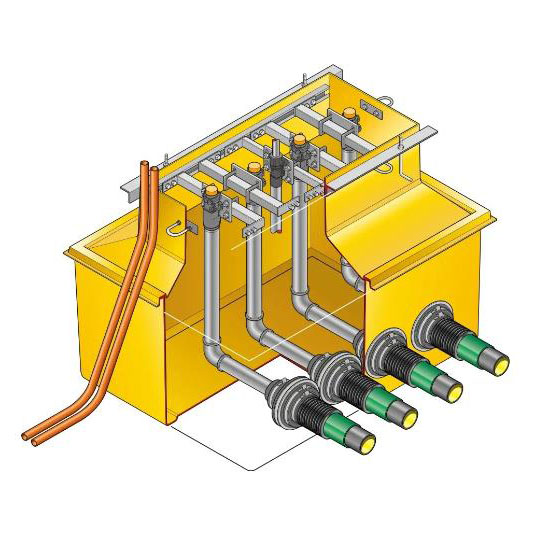
Fuel leaks beneath dispensers draw intense scrutiny from the EPA and state environmental agencies. A single undetected breach often triggers six-figure remediation penalties and forces crippling facility downtime. Most operators eventually discover the root cause lies in legacy containment systems. These outdated structures inevitably fail when exposed to continuous ground shifts, seasonal thermal expansion, or harsh chemical degradation. You need a modern, resilient solution to safeguard your site effectively. High-Density Polyethylene (HDPE) delivers a highly robust, weldable barrier. It safely future-proofs the critical junction connecting your underground storage tank (UST) network to the actual dispenser. In this article, you will explore how these advanced polymer systems eliminate hidden structural vulnerabilities. We will show you how seamless integration protects your site, streamlines compliance testing, and secures your station against expensive environmental liabilities.
Key Takeaways
HDPE dispenser sumps create a monolithic, leak-proof barrier by utilizing electrofusion, eliminating the vulnerability of mechanical fittings.
When evaluating a fuel dispenser piping system upgrade, HDPE offers superior resistance to ground movement and alternative fuel corrosion compared to traditional fiberglass.
Upgrading to HDPE simplifies long-term compliance with strict EPA secondary containment and hydrostatic testing mandates.
Proper implementation requires certified electrofusion welding and specific weather conditions, making contractor expertise a critical evaluation factor.
The Business Problem: Hidden Vulnerabilities in Legacy Containment
Continuous micro-leaks pose a severe threat to your operations. Even minor drips accumulate over time, heavily contaminating the surrounding soil. This triggers mandatory remediation efforts. Soil cleanup operations quickly escalate into massive expenses. You also face hefty EPA fines for violating containment protocols. Furthermore, local news outlets often report on environmental breaches. This severely damages your brand reputation in the community.
Legacy containment solutions fundamentally struggle to survive dynamic station environments. Older fiberglass sumps suffer from inherent brittleness. High-traffic forecourts exert immense dynamic loads on the ground above. This constant pressure easily cracks rigid fiberglass structures. Older polyethylene units often rely on degrading chemical sealants. Once a sealant dries out and cracks, groundwater seeps in, and fuel escapes into the earth.
The most critical integration flaw lies at the penetration points. Traditional sumps use mechanical entry boots to connect containment units to underground lines. These rubber seals deteriorate rapidly. Ground settling pulls the pipes downward, constantly stressing the mechanical seals. Simultaneously, exposure to ethanol blends degrades the rubber gaskets. These joints inevitably loosen over time. Your station becomes exposed to invisible underground leaks.
HDPE Dispenser Sump vs. Fiberglass: A Decision Matrix
Evaluating material properties helps you understand why legacy systems fail. We compare rigid fiberglass against ductile HDPE below.
Performance Criterion
Legacy Fiberglass
High-Density Polyethylene (HDPE)
Flexibility & Ground Shift
Highly rigid; prone to micro-cracking during soil settlement.
Ductile; easily absorbs dynamic traffic loads and shifts.
Freeze/Thaw Resistance
Vulnerable to structural fracturing in extreme cold.
Maintains impact resistance and flexibility in freezing conditions.
Joint Sealing Method
Relies heavily on chemical sealants and mechanical boots.
Utilizes permanent, fused monolithic joints.
Ground shift ruins rigid infrastructure. Soil naturally settles after construction. Freeze and thaw cycles further displace the earth. Fiberglass resists this movement poorly. It develops hairline fractures under constant stress. Conversely, an HDPE Dispenser Sump behaves differently. It possesses high ductility. It bends slightly under pressure without breaking. It absorbs impact from heavy tanker trucks driving overhead. This flexibility ensures the containment area remains perfectly intact.
Chemical compatibility represents another major challenge. Modern fuels aggressively attack older materials. Ethanol blends like E15 and E85 act as powerful solvents. They degrade traditional adhesives. Ultra-low sulfur diesel (ULSD) often fosters microbial growth. This microbial action creates corrosive byproducts inside containment zones. HDPE resists these chemical threats exceptionally well. Biofuels and modern additives cannot break down its polymer chain. It provides a reliable barrier against aggressive chemical corrosion.
Seamless Integration: Securing the Fuel Dispenser Piping System
Electrofusion completely transforms station infrastructure. It replaces vulnerable mechanical joints with permanent molecular bonds. Technicians apply an electrical current to embedded heating coils within the fittings. The surrounding plastic melts and merges. This process bonds the sump directly to the HDPE Fuel Dispenser Piping System. You achieve a continuous, monolithic structure. The pipe and the sump effectively become a single piece of plastic.
Removing gaskets and adhesives dramatically improves reliability. Mechanical entry boots remain the weakest link in any legacy station. Rubber shrinks and cracks over time. Adhesives peel away when exposed to moisture. By eliminating these outdated components, you remove the pathways for water ingress. You simultaneously block fuel egress. The fused joint simply cannot loosen.
Stringent testing proves the superiority of seamless welding. Before burying the infrastructure, regulators require rigorous verification.
Technicians seal all entry and exit points on the newly fused system.
They apply a strict vacuum test to ensure zero air loss.
They introduce water for a hydrostatic test to verify liquid tightness.
Inspectors monitor the pressure gauges over a mandated time period.
Seamlessly welded systems reliably pass these stringent tests on the first attempt. Fused joints do not weep under hydrostatic pressure. They maintain absolute integrity before, during, and long after burial.
Navigating EPA Compliance and Environmental Risk Mitigation
Regulatory agencies continually tighten underground storage tank (UST) rules. The EPA strictly enforces secondary containment requirements. Every new or replaced component must prevent leaks from reaching the environment. Interstitial monitoring relies on dry, intact spaces between tank walls or sump basins. HDPE capabilities align perfectly with these updated mandates. The material inherently supports advanced leak detection sensors. It keeps the interstitial spaces dry and verifiable.
Long-term verifiability protects your business during inspections. State inspectors frequently conduct unannounced compliance checks. Routine testing becomes highly unpredictable if your materials degrade silently underground. The structural integrity of HDPE eliminates this guesswork. You know the containment unit remains watertight. You confidently avoid surprise failures during hydrostatic re-testing. Your station stays open while competitors shut down for emergency repairs.
Corporate liability demands proactive risk management. Multi-site operators face massive exposure if they lack standardized safety protocols. Installing advanced polymer sumps serves as a powerful ESG (Environmental, Social, and Governance) initiative. It demonstrates a measurable commitment to protecting local groundwater. You standardise your environmental safety protocols across all locations. This strategy actively shields your corporate entity from catastrophic negligence claims.
Best Practices for Compliance Assurance
Keep detailed logs of the initial vacuum and hydrostatic test results.
Schedule annual visual inspections to verify sensor placements.
Train forecourt staff to recognize dispenser alarms immediately.
Implementation Considerations and Rollout Risks
HDPE installation is absolutely not plug-and-play. It requires highly specialized labor. Contractors must hold specific certifications in plastic fusion. They need comprehensive training on the exact sump manufacturer’s equipment. Different brands require different voltage settings and cooling times. Hiring an uncertified crew guarantees joint failure. You must verify their credentials before breaking ground.
Environmental constraints dictate the installation schedule. Electrofusion demands precision. Technicians must protect fusion joints from extreme elements. Cold weather alters the required heating duration. Moisture ruins the electrical bond instantly. Dust contaminates the scraped plastic surface. Installers must often erect temporary shelters over the trench. They use special wipes to eliminate grease and dirt. Achieving a perfect bond requires optimal conditions.
Retrofitting existing sites presents unique challenges compared to new construction. Replacing sumps at an operational gas station causes significant downtime. Excavators must carefully remove concrete without damaging existing underground tanks. You must evaluate the feasibility of partial retrofits. Sometimes, integrating new plastic into old fiberglass lines causes compatibility issues. Specifying HDPE for entirely new builds remains straightforward and highly efficient. Retrofits require precise engineering to ensure smooth transitions between old and new materials.
Common Mistakes to Avoid
Skipping the mandatory pipe scraping process before electrofusion.
Ignoring proper cooling times before backfilling the trench.
Failing to shield the welding zone from rain or high humidity.
Shortlisting Your Containment Solution: Next Steps
Choosing the right vendor determines the success of your project. You must demand high standards from any sump manufacturer. Look for vendors offering factory-tested welds. This reduces on-site labor and minimizes human error. Check the availability of specific pipe entry kits. Ensure they provide comprehensive warranty terms. A strong warranty indicates confidence in material longevity.
System compatibility requires careful verification. Ensure the selected containment unit natively integrates with your planned piping layout. Mismatched brands often require clunky transition fittings. These transitions introduce unnecessary weak points. The sump must align perfectly with your specific underground tanks and dispenser models. Review technical submittals thoroughly with your engineering team.
You need an actionable plan to move forward safely. Begin by requesting detailed material specifications from your shortlisted suppliers. Ask for their fusion training documentation to verify contractor support. Request accurate lead-time estimates to build a realistic project schedule. Gathering this data allows you to define a precise and achievable project scope.
Conclusion
Upgrading your station containment goes far beyond a simple hardware swap. It represents a permanent mitigation of massive environmental and regulatory liability. Embracing modern polymer technology stops invisible underground leaks before they trigger catastrophic fines. You protect your soil, your brand, and your community.
The reliability of your entire fuel delivery network inherently depends on the integrity of the containment sump. A highly resilient material absorbs ground shift, resists aggressive biofuels, and bonds seamlessly. It completely removes the outdated reliance on failing rubber boots and weak sealants.
Take immediate action to safeguard your facilities. Consult with an experienced engineering team today. Request technical submittals from top-tier suppliers to review site-specific requirements. By transitioning to a modern, weldable containment solution, you permanently secure your operational future.
FAQ
Q: Can an HDPE dispenser sump be retrofitted into an existing gas station?
A: Yes, but it requires careful excavation and potentially adapting existing fuel lines. Transition fittings are available, though the process is most efficient when upgrading the entire fuel dispenser piping system simultaneously.
Q: How long does an electrofusion weld take during installation?
A: The fusion process itself takes minutes, but proper preparation (scraping, cleaning, clamping) and mandatory cooling times add to the schedule. Weather conditions can also impact the timeline.
Q: Will HDPE sumps withstand high water tables?
A: Yes. When properly fused to the piping system without mechanical entry boots, HDPE sumps are inherently watertight, preventing both fuel leaks out and groundwater seepage in.
Q: How does HDPE handle ethanol-blended fuels?
A: High-Density Polyethylene is highly resistant to chemical degradation from modern biofuels and ethanol blends, making it a standard choice for future-proofing fuel infrastructure.
Zhejiang Ecotec Energy Equipment Co., Ltd. is a professional manufacturer of gas station equipment, can offer customer complete solution from design to after-sales service with good price and quality.