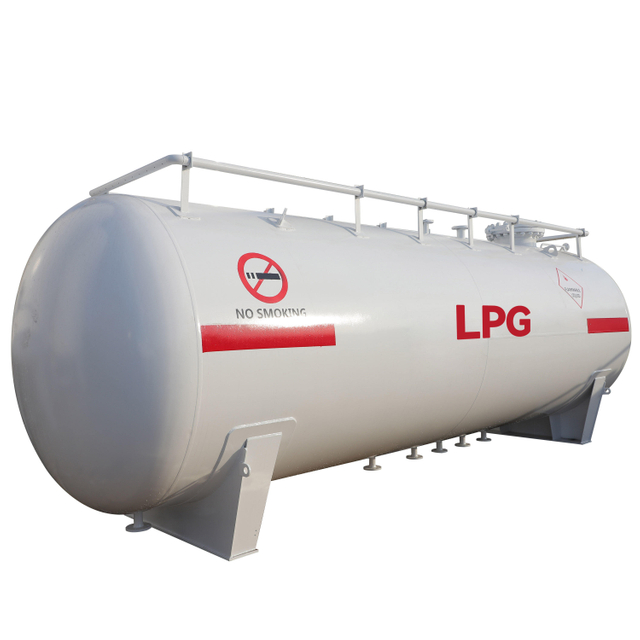
Did you know that underground oil tanks can significantly enhance safety at gas stations? In an industry where fire hazards loom large, choosing the right storage method is crucial. This article explores why underground oil tanks are recommended, highlighting their safety benefits, space efficiency, and environmental considerations. You'll learn how these tanks can improve operations and protect the environment.
Safety Benefits of Underground Oil Tanks
Reduced Risk of Fire and Explosion
Underground oil tanks offer significant safety advantages over their aboveground counterparts. One of the primary benefits is their reduced risk of fire and explosion. Since these tanks are buried, they are less exposed to external threats, such as accidents or natural disasters. This positioning minimizes the likelihood of ignition sources coming into contact with flammable materials.
Statistical data supports this assertion. Studies show that incidents involving underground tanks are rare, with no major underground tank fires reported at gas stations in both domestic and international contexts. The design of these tanks, typically horizontal, also contributes to their safety. When installed underground, they are less likely to ignite, and if a fire does occur, it is generally easier to manage and extinguish.
Statistical Safety Data
Data from various safety studies indicate that underground tanks have a significantly lower incidence of fire-related incidents compared to aboveground tanks. For instance, a review of incidents across several regions revealed that underground tanks account for less than 1% of all fuel-related fires. This stark contrast highlights the effectiveness of underground storage in enhancing safety.
Moreover, indoor oil tanks, which are often used for heating, face much higher risks. These tanks require valves and other accessories that can leak explosive gases. In contrast, underground tanks minimize these risks by reducing the potential for vapor accumulation, which is a common issue in poorly ventilated indoor environments.
Comparison with Aboveground Tanks
When comparing underground tanks to aboveground tanks, the safety benefits become even more pronounced. Aboveground tanks are vulnerable to various hazards, such as vehicle collisions, vandalism, and environmental factors. For example, a vehicle accidentally crashing into an aboveground tank can lead to catastrophic spills or explosions. In contrast, underground tanks are shielded from such external impacts, making them a safer choice for gas stations.
Additionally, the maintenance and monitoring of underground tanks have evolved significantly. Modern underground tanks are equipped with advanced leak detection systems, ensuring that any potential issues are identified early. This proactive approach further enhances safety, as prompt action can prevent environmental contamination and reduce the risk of accidents.
Space Efficiency of Oil Tanks
Advantages of Underground Tanks in Space Utilization
Underground oil tanks provide significant advantages when it comes to space efficiency at gas stations. One of the most compelling benefits is their ability to free up valuable surface area. By placing tanks underground, gas stations can maximize the use of their property. This is particularly crucial in urban areas where land is limited and expensive. The space saved can be utilized for additional parking, convenience store expansions, or landscaping, enhancing the overall customer experience.
Moreover, underground tanks do not require the same safety clearances as aboveground tanks. This means gas stations can design their layouts more flexibly, without the need to allocate large areas for firebreaks or safety zones. As a result, gas stations can optimize their operational efficiency while maintaining compliance with safety regulations.
Impact on Gas Station Design
The integration of underground tanks significantly influences gas station design. With the tanks buried, architects and engineers can create more streamlined and aesthetically pleasing designs. Stations can incorporate modern features, such as larger canopies for fuel pumps or improved convenience store layouts, without compromising safety.
Additionally, the underground installation allows for a cleaner visual landscape. Customers are more likely to appreciate a gas station that appears less cluttered, contributing to a positive brand image. This aesthetic appeal can be a crucial differentiator in a competitive market, where first impressions matter.
Minimizing Footprint with Buried Tanks
The footprint of gas stations can be reduced considerably with underground tanks. Since these tanks can be placed beneath refueling areas and driveways, they occupy minimal surface space. This not only helps in meeting local zoning regulations but also allows for better traffic flow and accessibility.
Moreover, the reduced footprint can lead to lower land acquisition costs. In areas where property prices are soaring, the ability to utilize land efficiently can be a game-changer for gas station owners looking to expand or establish new locations.
Environmental Considerations of Oil Tanks
Regulatory Compliance for Underground Tanks
Gas stations are subject to strict regulatory requirements regarding the storage of fuel and hazardous materials. Underground oil tanks (USTs) must comply with various local, state, and federal regulations designed to protect the environment and public safety. These regulations often include guidelines for installation, operation, maintenance, and monitoring of tanks to prevent leaks and contamination.
For instance, the U.S. Environmental Protection Agency (EPA) has established regulations that require USTs to undergo regular inspections and testing. This includes leak detection systems that monitor for any signs of fuel escaping from the tank. Compliance with these regulations not only protects the environment but also helps gas station owners avoid hefty fines and legal repercussions.
Leak Detection and Prevention
Leak detection is a critical component of underground oil tank management. Advanced technologies, such as electronic monitoring systems and pressure testing, help identify leaks early before they can cause significant environmental damage. These systems continuously monitor the tank's integrity, providing real-time data to operators.
Additionally, double-walled tanks, which feature an inner and outer layer, offer an extra layer of protection. If the inner wall fails, any leaked fuel is contained within the space between the two walls, preventing it from reaching the surrounding soil or groundwater. This design is essential for minimizing the risk of contamination and ensuring compliance with environmental regulations.
Impact on Soil and Groundwater
The environmental impact of leaking underground oil tanks can be severe. If a tank develops a leak, the stored fuel can seep into the soil and potentially contaminate groundwater sources. This contamination poses serious risks to both human health and the environment. Groundwater serves as a primary drinking water source for many communities, and pollutants from leaking tanks can render it unsafe for consumption.
Moreover, the cleanup of contaminated soil and groundwater can be a lengthy and expensive process. Gas station owners may face significant financial liability if leaks occur, leading to costly remediation efforts. Therefore, investing in reliable leak detection and prevention systems is not only a regulatory requirement but also a financially sound decision for gas station operators.
Maintenance and Inspection of Oil Tanks
Challenges of Inspecting Underground Tanks
Inspecting underground oil tanks (USTs) presents unique challenges. Unlike aboveground tanks, which can be visually monitored, USTs are buried and out of sight. This makes it difficult to conduct regular inspections and identify potential issues early. Operators cannot simply walk up to the tank and check for signs of wear, leaks, or damage. Instead, they rely on technology and scheduled maintenance to ensure the tanks remain in good condition.
Accessing underground tanks for maintenance can be labor-intensive and costly. Excavation is often required to reach the tank, which can disrupt operations and pose safety risks. Moreover, the equipment needed for inspection may not be readily available, leading to delays in identifying and resolving issues.
Importance of Regular Maintenance
Regular maintenance is crucial for the longevity and safety of underground oil tanks. Routine checks help identify potential leaks and corrosion before they escalate into significant problems. Maintenance tasks typically include:
Inspecting the tank structure for signs of corrosion or damage
Testing leak detection systems for functionality
Monitoring the integrity of piping and connections
Checking for proper ventilation to prevent vapor buildup
Keeping up with these tasks not only ensures compliance with regulatory requirements but also protects the environment from potential contamination. A well-maintained tank reduces the risk of leaks that could harm soil and groundwater, safeguarding both public health and the surrounding ecosystem.
Technologies for Monitoring Tank Integrity
Advancements in technology have significantly improved the monitoring of underground oil tanks. Modern USTs often come equipped with advanced monitoring systems that provide real-time data on tank conditions. Some of the technologies include:
Electronic Leak Detection Systems: These systems continuously monitor for any signs of leaks, alerting operators immediately if a problem arises.
Pressure Testing: This method evaluates the tank's integrity by measuring its ability to hold pressure without leaking.
Remote Monitoring: Some systems allow operators to monitor tank conditions remotely, reducing the need for frequent physical inspections and enabling quicker responses to potential issues.
These technologies enhance the safety and reliability of underground oil tanks, making it easier for gas station owners to comply with regulations and protect the environment.
Cost Implications of Oil Tanks
Installation Costs of Underground vs Aboveground Tanks
When considering the installation of oil tanks, gas station owners face a critical decision between underground and aboveground options. While underground tanks often have higher initial installation costs, they offer long-term benefits that can outweigh these expenses. The complexity of installing underground tanks, including excavation and compliance with safety regulations, contributes to their higher upfront costs. However, these tanks provide significant advantages in terms of safety, space efficiency, and environmental compliance.
In contrast, aboveground tanks generally have lower installation costs due to simpler setup requirements. They can be installed quickly and without the need for extensive excavation. However, the cost savings at installation may be offset by higher maintenance expenses and potential safety hazards that often arise from their exposure to environmental elements.
Long-term Maintenance Expenses
Maintenance costs are a crucial consideration for gas station owners when evaluating oil tank options. Underground tanks typically require less frequent maintenance than aboveground tanks, as they are protected from environmental factors that can cause wear and tear. However, when maintenance is needed, it can be more challenging and costly due to the need for excavation and specialized equipment to access the tanks.
Aboveground tanks, while easier to inspect and maintain, may incur higher long-term costs. They are more vulnerable to damage from weather, accidents, and vandalism, leading to potential repairs and replacements. Regular inspections and maintenance are essential to prevent leaks and ensure compliance with safety regulations, adding to the overall cost of ownership.
Cost-Benefit Analysis of Using Oil Tanks
Conducting a cost-benefit analysis is essential for gas station owners when deciding between underground and aboveground tanks. While the initial investment for underground tanks may be higher, the long-term benefits, including reduced risk of leaks, lower environmental impact, and compliance with stringent regulations, can lead to significant savings over time.
Underground tanks often enhance a gas station's operational efficiency by maximizing space utilization and improving aesthetics, which can attract more customers. The potential for fewer environmental fines and lower liability costs also adds to the financial advantages of choosing underground tanks.
On the other hand, aboveground tanks may appear more cost-effective initially, but the ongoing maintenance and repair costs can quickly accumulate. Additionally, the increased risk of accidents and environmental contamination can lead to costly legal liabilities.
Conclusion
Underground oil tanks provide significant safety benefits, reducing the risk of fire and explosion. They also enhance space efficiency, allowing gas stations to optimize their layouts. Environmental compliance is crucial, and these tanks minimize contamination risks. Innovations in technology improve monitoring and safety features, making them a smart investment. Gas station owners should consider these advantages when choosing oil tanks.Ecotec offers advanced underground tank solutions, providing exceptional value through safety and efficiency features.
FAQ
Q: What are underground oil tanks?
A: Underground oil tanks are storage containers buried beneath the ground, primarily used for storing fuel at gas stations, offering safety and space efficiency compared to aboveground tanks.
Q: Why are underground oil tanks safer than aboveground tanks?
A: Underground oil tanks significantly reduce the risk of fire and explosion due to their buried position, minimizing exposure to external hazards and ignition sources.
Q: How do I maintain underground oil tanks?
A: Regular maintenance for underground oil tanks includes inspections for corrosion, testing leak detection systems, and monitoring tank integrity to prevent leaks and ensure compliance.
Q: What are the cost implications of installing oil tanks?
A: While underground oil tanks have higher initial installation costs, they often lead to lower long-term maintenance expenses and reduced environmental risks compared to aboveground options.
Zhejiang Ecotec Energy Equipment Co., Ltd. is a professional manufacturer of gas station equipment, can offer customer complete solution from design to after-sales service with good price and quality.