Processing ultra-low temperature fluids creates a highly demanding environment. LNG flows at a freezing -162°C. Liquid nitrogen drops even lower to a staggering -196°C. These absolute temperature extremes stress standard fluid transfer equipment constantly. Traditional fluid transfer methods frequently fail under these severe conditions. Severe thermal shock destroys standard seals rapidly. This mechanical degradation causes dangerous chemical leaks. It triggers massive unplanned plant downtime. It also leads to severe EHS compliance violations. Plant managers battle these structural vulnerabilities daily. They need a better engineering solution.
We will explore a scientifically proven alternative today. Magnetic drive technology offers a highly robust, sealless design. You will learn how it eliminates primary leak paths entirely. It protects facility personnel from lethal asphyxiation and frostbite hazards. It also stabilizes your long-term operational efficiency safely.
Key Takeaways
Zero-Leakage Architecture: Magnetic drive pumps eliminate vulnerable mechanical seals, providing a hermetically sealed containment shell crucial for hazardous and ultra-cold fluids.
EHS & Compliance Alignment: Adopting sealless technology directly supports stringent industrial gas safety frameworks (e.g., AIGA standards) by mitigating vapor cloud and explosion risks.
Total Cost of Ownership (TCO): While initial CapEx may be higher, the elimination of seal support systems and reduced maintenance intervals yield a demonstrably lower TCO.
Operational Predictability: Superior handling of cryogenic conditions prevents cavitation and material embrittlement, ensuring continuous plant operation.
The Business Problem: Why Traditional Mechanical Seals Fail in Cryogenic Environments
Constant shifts between ambient and cryogenic temperatures destroy traditional mechanical seal faces. Elastomers harden and crack under extreme cold. They lose their flexibility completely. Metal components shrink violently during rapid cooldowns. Clearances change rapidly. The mechanical seal faces warp under these shifting tolerances. They lose vital physical contact. Fluid escapes through these new microscopic gaps. This creates a highly dangerous environment.
Localized heat generates at the mechanical seal face during normal operation. The seal faces rub together constantly. This friction transfers heat directly into the cryogenic liquid. The following failure sequence occurs rapidly:
Friction generates localized heat rapidly.
The mechanical seal faces heat the surrounding fluid.
The cryogenic liquid flashes into a gaseous state.
Vapor provides zero lubrication to the rotating faces.
The mechanical seal runs completely dry.
The brittle seal faces shatter under immense thermal stress.
Leaks represent critical safety hazards. They cause far more than simple maintenance delays. Plant safety policies classify them as severe EHS violations. We see three primary exposure risks:
Severe Frostbite: Ultra-cold fluids destroy human tissue instantly upon contact.
Oxygen Displacement: Expanding nitrogen gas suffocates workers silently and rapidly.
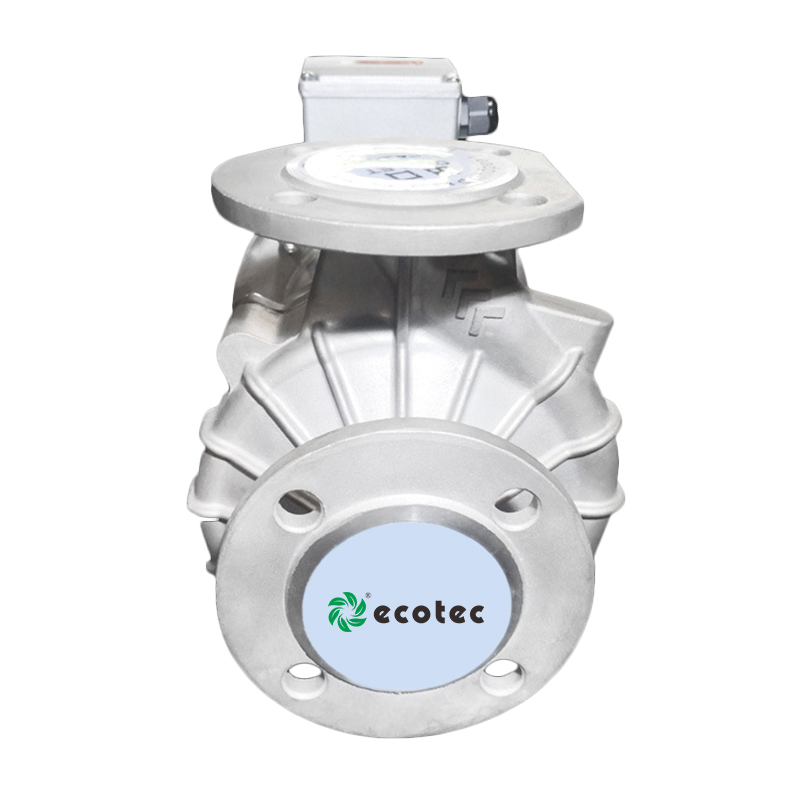
The Sealless Advantage: Upgrading to a Cryogenic Pump,LNG Liquefied Gas Magnetic Pump
Magnetic drive pumps eliminate mechanical seals completely. They utilize a static containment shell instead. This shell isolates the cryogenic fluid entirely. The fluid never contacts the outside atmosphere. Installing a highly reliable Cryogenic Pump changes your facility dynamics entirely. It offers a hermetically sealed barrier. Escaping gases become impossible under normal operation.
Outer and inner magnetic rotors transmit torque effectively. They spin in perfect synchronization. The magnetic forces pass directly through the containment shell. No physical contact occurs between the moving parts. This contactless transmission minimizes internal heat generation significantly. The sensitive liquid remains extremely stable and cold. Upgrading to an advanced LNG Liquefied Gas Magnetic Pump ensures superior fluid integrity.
Traditional engineering approaches merely attempt risk mitigation. Facilities install complex buffer gas panels. They rely heavily on expensive seal support systems. These traditional systems fail frequently. They require constant daily monitoring. A sealless design shifts this paradigm entirely. It eliminates the actual leak path completely. You stop managing dangerous leaks. You remove the hazard entirely from your plant floor.
Core Evaluation Criteria for Decision-Makers
Material Science and Temperature Thresholds
Engineers must assess construction materials rigorously. You need immense structural integrity at absolute extreme limits. Temperatures plunge between -196°C and -253°C easily. Standard carbon steel shatters like glass here. You must specify 316L stainless steel for safety. Specialized high-nickel alloys also perform exceptionally well. They maintain immense strength without any cold embrittlement.
Material Grade
Minimum Safe Temperature
Primary Application
Embrittlement Risk Profile
Standard Carbon Steel
-29°C
Ambient Water / Oil
Extremely High at Cryogenic Levels
304 Stainless Steel
-196°C
Standard Liquid Nitrogen
Low, but vulnerable under stress
316L Stainless Steel
-253°C
Liquid Hydrogen / LNG
Virtually Zero
Specialized Nickel Alloys
-253°C
Extreme High-Pressure Cryogenics
Zero Risk
Cavitation Resistance and NPSH Margins
Cryogenic liquids operate dangerously close to their boiling points. You must evaluate the internal flow paths carefully. Specialized inducer designs capture the liquid smoothly. Low Net Positive Suction Head required (NPSHr) remains strictly non-negotiable. It prevents destructive cavitation effectively. Cavitation bubbles collapse violently upon formation. They destroy metal impellers rapidly. A specialized inducer lowers the NPSHr requirement. This guarantees stable operation.
Industry Standards and Regulatory Compliance
Verify strict alignment against recognized global safety frameworks. The American Petroleum Institute offers the API 685 standard. This critical standard governs sealless pumps exclusively. Ensure full compliance before finalizing your purchase. Check ATEX directives for explosive LNG environments. Follow AIGA safety guidelines meticulously. Full compliance guarantees robust operational safety. It protects your facility against severe regulatory fines.
Implementation Realities: Rollout Risks and Facility Integration
Operators must implement strict thermal stabilization procedures before startup. You must cool the equipment down gradually. Slow pre-cooling protocols prevent thermal shock effectively. Operators typically introduce a small bleed flow first. They monitor external casing temperatures closely. Rushing this critical startup phase causes immediate disaster. Extreme temperature gradients fracture the metal casing violently. Catastrophic casing failures follow immediately. You lose the entire unit. We strongly recommend automated cooldown sequences. They remove fatal human error completely.
External heat ingress ruins entire system efficiency. It causes rapid fluid boil-off internally. You must install vacuum-jacketed piping everywhere. Heavily insulated lines prevent ambient heat transfer completely. Proper insulation mitigates fluid loss significantly. Uninsulated lines gather thick ice rapidly. They compromise structural supports over time.
Magnetic pumps rely heavily on the pumped fluid itself. The liquid lubricates the internal hydrodynamic bearings exclusively. External oil lubrication does not exist here. You must avoid dry-run conditions absolutely. A dry run destroys internal bearings in seconds. Friction melts the components rapidly. Install highly reliable under-load power monitors. They detect sudden flow loss instantly. They shut the motor down safely.
Structuring Your Shortlist: How to Select the Right Vendor
Demand verified performance curves directly from your vendors. Insist on rigorous factory acceptance testing (FAT). The vendor must conduct this testing using actual cryogenic fluids. Liquid nitrogen testing validates actual performance limits perfectly. Water testing provides dangerously inaccurate data. Water behaves differently than ultra-cold liquefied gases. Viscosity and vapor pressure differ massively. Water testing masks severe internal design flaws. Demand authentic extreme-temperature validation.
Evaluate the vendor's local support footprint carefully. You will eventually need specialized replacement parts. Magnetic rotors require precise factory balancing. Internal bearings need exact material specifications. You cannot substitute these parts easily. Local aftermarket support minimizes potential facility downtime. Rapid parts availability keeps your plant running profitably. Check their regional inventory capabilities before signing contracts.
Conclusion
Transitioning to magnetic drive technology secures your facility comprehensively. It acts as a massive investment in plant safety. It ensures strict regulatory compliance effortlessly. It guarantees operational reliability consistently. Critical LNG and liquid nitrogen applications demand absolute perfection. An unexpected shutdown costs entirely too much money. A sudden gas leak threatens human lives directly. These severe risks demand proactive engineering upgrades.
Schedule a detailed engineering consultation today. Request a site-specific NPSH evaluation immediately. Download the technical specification sheets now. Upgrade your outdated fluid handling systems proactively. Protect your personnel and your process effectively.
FAQ
Q: Can a magnetic drive pump handle entrained gas or vapor lock?
A: Standard magnetic designs struggle heavily with entrained gases. Vapor lock occurs when gas accumulates internally. The pump stops moving fluid entirely. You must specify specific internal venting paths. Specialized inducer options handle boil-off gas effectively. They compress the bubbles smoothly. This prevents dry running and maintains continuous flow.
Q: What is the expected maintenance interval for a cryogenic magnetic pump?
A: You can expect realistic timeframes of three to five years. This applies primarily to the internal hydrodynamic bearings. This interval depends entirely on operational cleanliness. Strict adherence to pre-cooling protocols extends this lifespan. Proper daily operation minimizes internal wear significantly.
Q: How does a magnetic pump impact the overall energy efficiency of the cryogenic system?
A: Standard metallic containment shells create notable eddy current losses. These losses generate unwanted internal heat. This heat reduces overall operational efficiency. Modern designs utilize non-metallic or advanced composite shells instead. These specialized materials mitigate heat generation completely. They improve energy efficiency and prevent premature fluid vaporization.
Zhejiang Ecotec Energy Equipment Co., Ltd. is a professional manufacturer of gas station equipment, can offer customer complete solution from design to after-sales service with good price and quality.