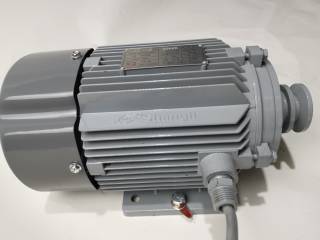
Replacing or specifying a Motor for fluid dispensing systems brings immense operational stakes. An incorrect choice directly leads to costly facility downtime. It creates severe safety hazards and causes immediate regulatory failures. Facility managers and engineers face a strict mandate. You must select a continuous-duty, explosion-proof power source. It must match system flow requirements perfectly. You should never over-specify your equipment needlessly.
We take an objective, engineering-first approach to this selection process. You should focus entirely on verified technical specifications rather than glossy marketing claims. In this technical guide, we break down the core mechanics of dispenser drives. You will learn how to evaluate duty cycles effectively. We help you navigate complex global safety certifications safely.
You must ensure seamless integration with your existing hardware infrastructure. We provide actionable criteria below. These guidelines help you specify the exact equipment required. You will achieve reliable, high-volume operation in dangerous hazardous locations. Proper planning now eliminates catastrophic failures later.
Key Takeaways
Safety First: Fuel dispensing requires strict adherence to hazardous location certifications (e.g., UL, ATEX, Class I Division 1).
Power vs. Demand: Matching horsepower (HP) and torque to the specific fuel pump mechanics prevents premature failure and excessive energy draw.
System Compatibility: The right motor must align with existing fuel station equipment infrastructure, including voltage availability (single vs. three-phase) and mounting footprints.
Defining the Operational Baseline for Fuel Pump Motors
You must first establish the physical baseline of your dispensing architecture. The industry divides equipment into two distinct mechanical categories. You need to understand these differences before comparing specific models.
Suction vs. Submersible Systems
Submersible turbine pumps (STPs) push fluid upward from underground storage tanks. They require specialized, fully enclosed units submerged directly in the fluid. These submerged units utilize the surrounding liquid for cooling. Conversely, suction-based dispensers pull fluid upward from the tank. They utilize internal cabinet drive systems housed safely above ground. You will mostly deal with these above-ground units when retrofitting standard retail cabinets.
Duty Cycle Requirements
Standard industrial applications often use intermittent duty cycles. High-volume retail environments demand something much more robust. Continuous duty (S1) ratings remain absolutely non-negotiable here. Commercial stations experience heavy, back-to-back usage during peak commuting hours. S1 classification ensures the unit runs continuously without overheating. Intermittent DIY or transfer setups easily burn out under these commercial loads. You must verify the S1 designation on the nameplate.
Environmental Realities
Outdoor installations expose internal components to severe operating variables. You must account for these harsh environmental realities.
Temperature Extremes: Freezing winters and blistering summers challenge internal insulation integrity daily.
High Humidity: Coastal or tropical air introduces severe condensation risks inside the metal casing.
Mechanical Vibration: Constant vibration from nearby heavy truck traffic degrades standard bearings over time.
These harsh realities dictate robust build quality. A standard indoor industrial unit will fail rapidly in these outdoor conditions. You need components explicitly designed for structural resilience.
Core Technical Specifications for Evaluation
Selecting the right power source requires exact mathematical alignment. You must match electrical input capabilities with mechanical output demands. Guesswork here leads to severe operational inefficiencies.
Horsepower (HP) and RPM
Standard industry sizing typically ranges from 3/4 HP to 2 HP. The exact requirement depends on your internal pumping mechanics. Flow rate (GPM), operating RPM, and fluid viscosity share a direct mathematical relationship. Higher viscosity liquids demand higher torque at lower speeds. Standard gasoline dispenses efficiently using a standard 1725 RPM unit. Diesel often requires slightly higher torque to maintain flow rates through long hoses.
Electrical Infrastructure
Assess your facility power availability before selecting a unit. We see many buyers purchase equipment they simply cannot wire. Single-phase power remains a necessity for smaller stations. They often lack industrial grid connections. However, three-phase power offers superior longevity and higher efficiency. We highly recommend three-phase units for large commercial truck stops. They handle continuous high-torque demand much better.
Standard Electrical Phase Comparison
| Phase Type | Typical Application | Efficiency Level | Lifespan Expectancy |
| Single-Phase (115V/230V) | Small retail stations, rural sites | Moderate | Standard (Requires capacitor maintenance) |
| Three-Phase (230V/460V) | High-volume truck stops, commercial fleets | Premium (IE3 capable) | Extended (Fewer wearable electrical parts) |
Voltage Ratings and Drop Risks
Standard operating voltages include 115V and 230V for single-phase systems. Long underground conduit runs from the main breaker to the dispenser island create resistance. This resistance causes significant voltage drops. You must calculate this drop carefully. Under-voltage conditions cause the unit to stall. Stalling generates immense heat and destroys stator windings rapidly.
Thermal Protection
Built-in automatic thermal overload protection is mandatory. It actively monitors internal heat generation during operation. It trips the electrical circuit automatically before a catastrophic meltdown occurs. Heavy use easily pushes equipment past safe thermal limits. You should never bypass these overload switches during maintenance.
Mandatory Safety and Compliance Standards
Handling combustible liquids requires uncompromising safety standards. Electrical components generate heat and occasional sparks. You must isolate these ignition sources from explosive vapor mixtures entirely.
Explosion-Proof (EX) Ratings
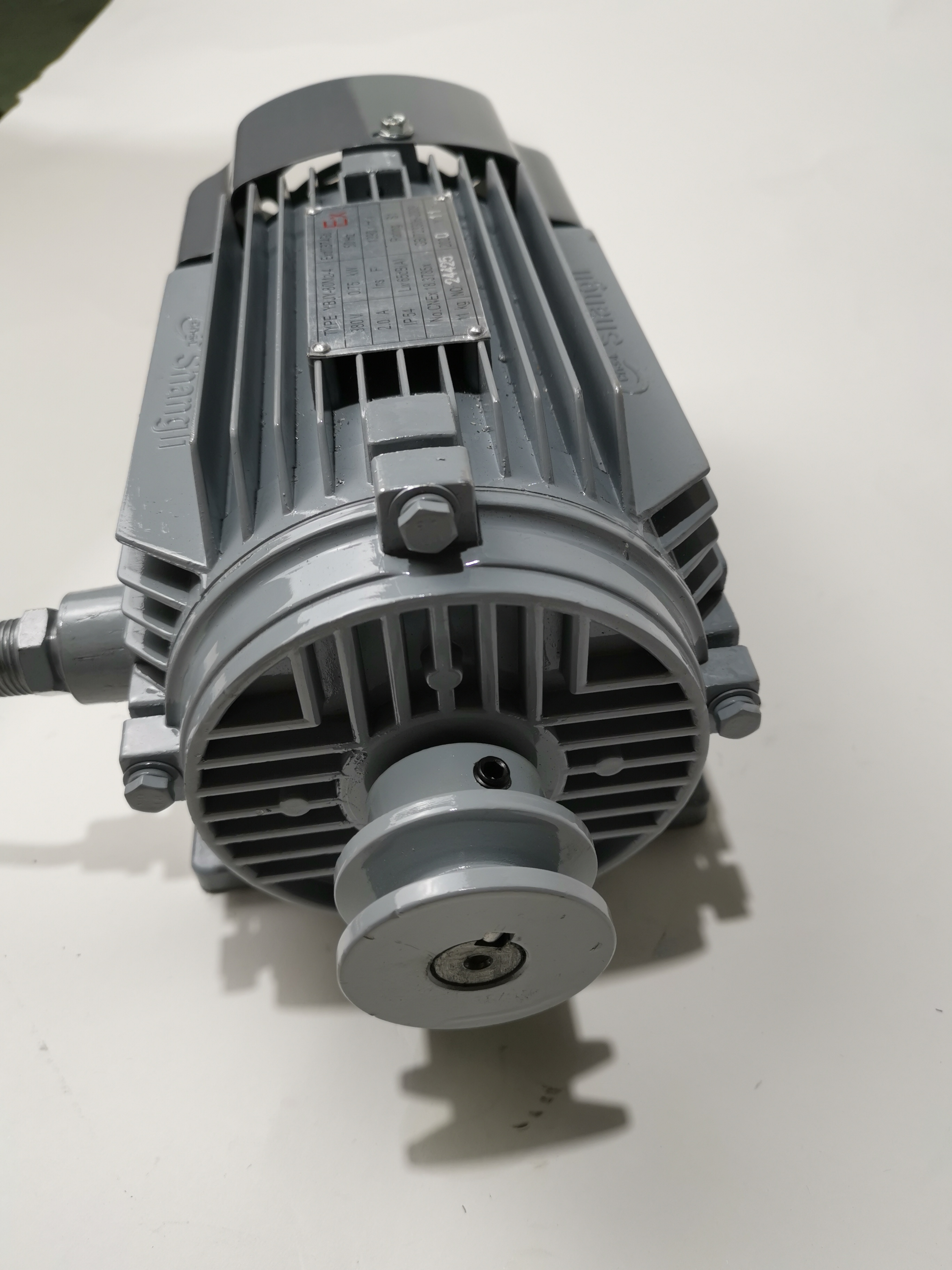
People often misunderstand explosion-proof ratings. These ratings do not mean the enclosure keeps all vapors out. Instead, they indicate the enclosure can contain an internal explosion safely. The heavy cast-iron or aluminum enclosure withstands internal ignition pressure. It utilizes precisely machined flame paths. These paths cool escaping gases below the ignition temperature of outside vapors. It also maintains strict external thermal limits during normal operation.
Global and Regional Certifications
You must verify safety credentials based on your specific geographic location. Installers face strict regulatory inspections before opening a site.
UL/cUL Standards: These represent absolute requirements for North American installations. They govern Class I, Division 1 hazardous locations.
ATEX Directives: These apply strictly across the European Union. They classify equipment for Zone 1 and Zone 2 explosive atmospheres.
IECEx Certification: This serves as the globally accepted standard for international markets outside North America and Europe.
Regional Hazardous Location Certifications Chart
| Region | Primary Standard | Testing Agency | Hazardous Area Focus |
| North America | Class I, Div 1 | UL / CSA | Areas where explosive vapors exist continuously. |
| Europe | ATEX Zone 1 | Notified Bodies | Areas where explosive atmospheres are likely. |
| International | IECEx | IEC | Global harmonization for explosive environments. |
Regulatory Red Flags
Never specify uncertified, low-cost imported units for volatile environments. Failing a compliance audit carries severe financial penalties. Local fire marshals will flag uncertified equipment immediately. This specific violation voids your facility liability insurance instantly. It almost always results in a forced operational shutdown. The upfront savings never justify the catastrophic business risks.
Integration with Fuel Dispenser Accessories and Hardware
A power unit does not operate in isolation. It lives inside a cramped, busy metal cabinet. You must ensure precise mechanical fitment and seamless accessory integration.
Mounting and Mechanical Fit
The petroleum industry relies heavily on standard NEMA frame sizes. The 56C frame represents the most common mechanical footprint. You must choose between rigid base and resilient base mounting options. Rigid bases provide necessary stability for high-torque applications. Resilient bases utilize rubber isolators to dampen mechanical vibration. Reduced vibration significantly lowers ambient noise levels at the island.
Drive Mechanisms
Evaluate exactly how power transfers to your pumping unit. Direct drive couplings offer compact, low-maintenance power transmission. They require perfect shaft alignment during installation. Alternatively, V-belt and pulley systems allow for adjustable speed ratios. They forgive minor misalignments easily. However, V-belts wear out over time. They require regular tensioning and eventual replacement.
Accessory Compatibility
The interior dispenser cabinet contains extremely limited free space. The selected unit must leave adequate clearance for other internal fuel dispenser accessories. These vital components include flow meters, vapor recovery vacuums, and explosion-proof junction boxes. Proper spatial clearance ensures safe wiring routes. It prevents dangerous component friction caused by operating vibrations.
Implementation Risks and Efficiency Considerations
Procuring the right hardware only solves half the puzzle. You must install and maintain it correctly to achieve long-term operational efficiency. Poor execution ruins premium hardware.
Installation Pitfalls
Common electrician errors frequently cripple brand new setups. Improper conduit sealing represents the most dangerous mistake. Technicians must pour special sealing compound (Chico) into conduit fittings. This blocks hazardous vapors from migrating into the main electrical panel. Incorrect wiring phasing on three-phase units causes reverse rotation. Reverse rotation prevents fluid suction entirely. It also damages internal pump vanes rapidly.
Maintenance Realities
Evaluate bearing lifespans and lubrication schedules carefully. You must choose between sealed, maintenance-free bearings and greasable variants. Sealed bearings prevent dirt contamination in dusty environments. They work perfectly for standard retail stations. Greasable bearings last longer but require strict preventative maintenance schedules. Make sure technicians have clear physical accessibility to perform these routine checks.
Energy Efficiency
Energy consumption adds up quickly in continuous-duty applications. Premium efficiency (IE3) models deliver significant long-term operational savings. They consume substantially less grid power per gallon dispensed. They also generate less internal heat. Balancing the slightly higher initial purchase price against these monthly energy savings makes excellent business sense. They simply perform better under continuous 24/7 strain.
Shortlisting Logic and Vendor Selection
You face a saturated market filled with competing claims. You need a structured logic flow to narrow down your procurement options effectively.
OEM Replacements vs. Aftermarket Upgrades
Exact-match OEM replacements guarantee perfect mechanical fitment. They ensure absolute safety compliance automatically. They minimize installation downtime significantly. Certified aftermarket equivalents often provide substantial upfront savings. They can perform just as well. However, you must meticulously verify their hazardous location ratings. Never assume an aftermarket unit meets ATEX or UL standards without proof.
Supplier Vetting Checklist
You should audit potential suppliers rigorously. Ask these critical questions before opening a purchase order:
Do they provide transparent, downloadable datasheets and compliance certificates?
What is their explicit warranty policy for hazardous environment applications?
Do they offer direct engineering technical support for integration troubleshooting?
Can they ship replacement parts quickly during a facility emergency?
Next Steps
You should audit your current dispenser nameplate data right now. Go to the island and open the lower cabinet safely. Note the exact voltage, operating amperage, NEMA frame size, and listed HP. Record the hazardous location classification exactly as printed. Gather this verified data first. You can then request a highly accurate quote from a certified supplier.
Conclusion
Selecting the right drive unit requires a careful technical balance. You must align exact mechanical specifications with non-negotiable safety standards. Understanding the difference between continuous S1 duty and intermittent use prevents premature field failures. Respecting voltage drops and proper phase selection keeps your equipment running smoothly.
Investing in properly specified, certified equipment ensures maximum facility uptime. It eliminates catastrophic compliance risks and protects your personnel. Never compromise on explosion-proof certifications just to save budget upfront. The operational and legal risks remain far too great.
Take action today by auditing your existing station hardware. Consult directly with a technical sales engineer regarding your specific flow requirements. View a certified product catalog or download a full specification checklist to begin your upgrade process confidently.
FAQ
Q: What size motor is typically used in a commercial gas pump?
A: Commercial suction dispensers usually require a 3/4 HP to 1 HP unit. The exact physical size depends heavily on your required fluid flow rate. Higher viscosity liquids like winter diesel might require a 1.5 HP unit to maintain optimal dispensing speeds.
Q: Can I use a standard industrial motor for a fuel dispenser?
A: No. You must use a unit explicitly rated for hazardous locations. It needs a certified explosion-proof enclosure. This heavy cast enclosure contains internal sparks and prevents accidental vapor ignition in the cabinet.
Q: What causes a fuel dispenser motor to burn out prematurely?
A: Several field factors cause premature failure. Clogged system filters increase resistance and force the unit to overwork. Extreme grid voltage fluctuations degrade internal stator windings over time. Bypassing automatic thermal overload switches removes critical heat protection.
Q: How do I know if I need a single-phase or three-phase motor?
A: Your existing electrical panel at the fuel station equipment site dictates this requirement entirely. Three-phase power runs more efficiently but requires specific industrial wiring. Single-phase suits smaller, rural retail setups perfectly.


