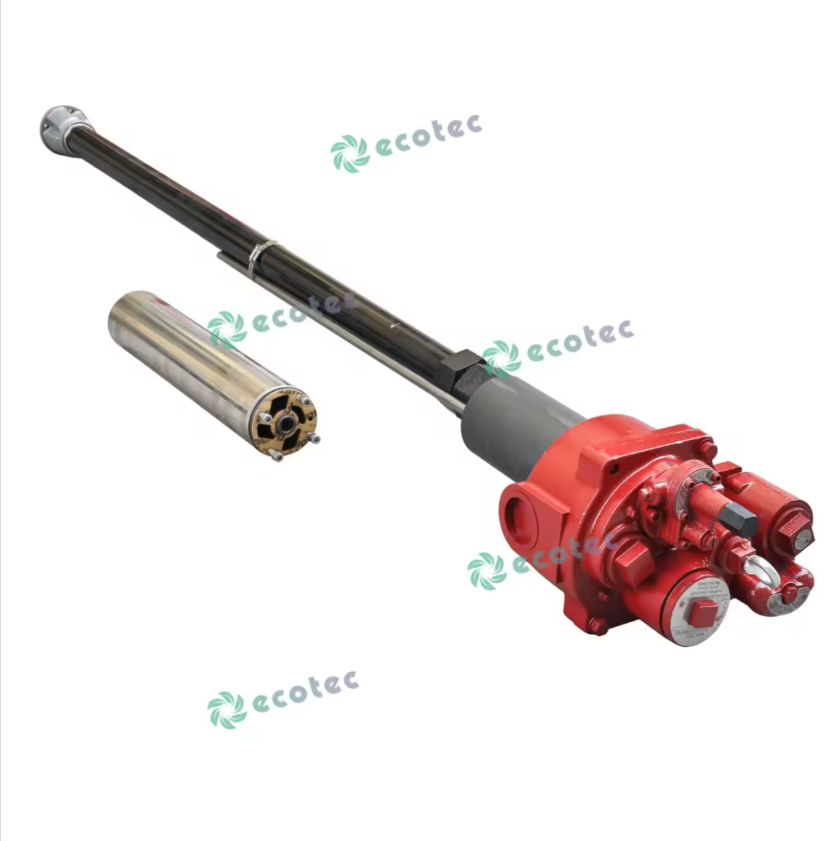
Have you ever wondered why gas stations are upgrading their fuel dispensers? Submersible pump fuel dispensers are becoming the go-to choice for many. In this article, we’ll explore their definition, importance, and how they evolved from traditional self-priming pumps to modern solutions that enhance efficiency and safety.
Why Gas Stations Prefer Submersible Pump Fuel Dispensers
Gas stations are vital to our modern transportation system, and the equipment they use plays a crucial role in efficiency, safety, and cost. Submersible pump fuel dispensers have become the preferred choice for many gas stations, and for good reason. Here are some key factors that explain why gas stations favor these systems.
Efficiency in Fuel Delivery
Submersible pumps excel in delivering fuel quickly and efficiently. Positioned at the bottom of the fuel tank, these pumps push fuel directly to the dispensers. This method eliminates the need for creating a vacuum, which is required in self-priming systems. As a result, fuel flows steadily, minimizing wait times for customers. This efficiency is especially crucial during busy periods when high demand is expected.
Flexibility in Layout and Design
One of the standout features of submersible pumps is their flexibility in design. Unlike self-priming pumps, which have limitations on how far they can draw fuel, submersible pumps can effectively operate over greater distances. This capability allows gas stations to design their layouts without being constrained by the location of the fuel tanks. Whether a station requires multiple dispensers or needs to adapt to changes in space, submersible pumps provide the necessary versatility.
Cost-Effectiveness in Installation and Maintenance
When it comes to installation, submersible pumps offer significant cost savings. They can supply multiple fuel dispensers from a single unit, reducing the need for extensive piping and additional components. This streamlined setup not only cuts construction costs but also simplifies the installation process.
Maintenance is another area where submersible pumps shine. Their design minimizes the number of exposed components, leading to lower failure rates. Routine maintenance is straightforward, often requiring less time and fewer resources than traditional systems. This ease of maintenance translates into reduced operational costs over the life of the pump.
Advantages of Submersible Pump Fuel Dispensers
Submersible pump fuel dispensers have become increasingly popular among gas stations due to their numerous advantages. These systems not only enhance operational efficiency but also contribute to safety and environmental protection. Let’s explore some of the key benefits that make submersible pumps the preferred choice for fuel dispensing.
Elimination of Oil and Gas Leakage Risks
One of the most significant advantages of submersible pumps is their ability to eliminate the risk of oil and gas leaks. Since these pumps operate submerged in the fuel tank, there are no exposed suction lines or joints that can potentially leak. This closed system drastically reduces the chances of leaks, which can lead to environmental pollution and safety hazards. By complying with stringent safety regulations, submersible pumps ensure a safer fueling environment for both customers and gas station employees.
High Reliability and Quick Start-Up
Submersible pumps are known for their reliability and quick start-up capabilities. Positioned at the bottom of the fuel tank, they push fuel directly to the dispensers, eliminating the need to create a vacuum as required by self-priming pumps. This design allows for a steady flow of fuel, ensuring that customers experience minimal wait times during refueling. The quick start-up feature enhances the overall customer experience, making it a crucial factor for busy gas stations.
Reduced Noise Levels During Operation
Another notable benefit of submersible pumps is their quiet operation. Because the pump motor is submerged in fuel, it effectively absorbs operational noise, resulting in a quieter environment above ground. This is particularly advantageous in urban areas where noise regulations may be strict. By reducing noise pollution, submersible pumps contribute to a more pleasant experience for customers and staff alike.
Challenges of Self-Priming Pumps Compared to Submersible Pump Fuel Dispensers
When it comes to fuel dispensing systems, self-priming pumps have been a traditional choice for many gas stations. However, as technology has evolved, the limitations of self-priming pumps have become increasingly apparent. Here, we will explore some of the key challenges associated with self-priming pumps compared to submersible pump fuel dispensers.
Limitations in Suction Range and Layout Flexibility
Self-priming pumps operate based on negative pressure, which creates a significant limitation in their suction range. Typically, these pumps can only draw fuel from a maximum distance of about 50 meters. This restriction can complicate the design of gas station layouts, as the distance between the fuel storage tanks and dispensers must be kept relatively short.
In contrast, submersible pumps are installed directly in the fuel tank, allowing them to push fuel to the dispensers rather than pulling it. This design enables gas stations to be more flexible in their layout and location of dispensers. They can position dispensers further away from tanks, facilitating more creative and efficient designs that can accommodate various site constraints.
Noise and Operational Inefficiencies
Another challenge of self-priming pumps is the noise generated during operation. The farther the suction distance, the louder the noise becomes, which can be disruptive, especially in urban settings where noise regulations may apply. Customers and staff may find the loud operation of self-priming pumps unpleasant, negatively impacting their experience at the station.
On the other hand, submersible pumps operate quietly since the pump motor is submerged in the fuel. This design effectively muffles the noise, creating a more pleasant environment for both customers and employees. The reduced noise levels contribute to a better overall experience at gas stations, making submersible pumps the more favorable option.
Cavitation Issues in High Temperature and Altitude
Cavitation is a phenomenon that occurs when the pressure of a liquid drops below its vapor pressure, leading to the formation of vapor bubbles. In self-priming pumps, cavitation can become a significant issue, particularly in high temperature and altitude conditions. These bubbles can cause damage to the pump components, leading to increased maintenance costs and downtime.
Submersible pumps, however, are less susceptible to cavitation problems. Their design allows for a more stable flow of fuel, minimizing the risk of pressure drops that lead to cavitation. This reliability is crucial for gas stations operating in varying environmental conditions, ensuring consistent performance regardless of temperature or altitude.
Key Features of Submersible Pump Fuel Dispensers
Submersible pump fuel dispensers are becoming the backbone of modern gas stations. Understanding their design, operational principles, and safety features is essential for anyone involved in gas station management or construction. Let’s break down these key aspects.
Design and Construction of Submersible Pumps
Submersible pumps are engineered to operate efficiently while submerged in fuel tanks. Their design consists of two primary components: the pump head and the pump tail.
Pump Head: This part includes the pump cap and pump seat. The pump cap houses various components like the power wiring cavity, capacitor cavity, and check valve. The pump seat, on the other hand, contains the oil pipe inlet and outlet interfaces. This design helps ensure a secure and efficient operation.
Pump Tail: The pump tail comprises the motor and centrifugal pump. The motor is responsible for driving the pump, while the centrifugal pump facilitates the movement of fuel through the system. This integration minimizes the number of external components, which can be prone to wear and tear.
This compact design allows submersible pumps to be installed directly in the fuel tank, reducing the need for extensive piping and external fittings. Moreover, it enhances the overall safety of the system by minimizing potential leak points.
Operational Principles of Submersible Pumps
Submersible pumps operate on a straightforward principle: they push fuel from the tank to the dispensers rather than pulling it. This method eliminates the need for creating a vacuum, which is essential for self-priming pumps.
Positive Pressure Delivery: By utilizing positive pressure, submersible pumps can deliver fuel quickly and consistently. This design ensures that customers experience minimal wait times, which is crucial during peak hours.
Efficient Flow Management: The submersible pump's design allows for steady fuel flow, reducing the likelihood of vapor lock and ensuring that fuel reaches the dispensers without interruptions. This efficiency is particularly beneficial in high-demand situations, where reliability is paramount.
Safety Features and Compliance with Regulations
Safety is a top priority for gas stations, and submersible pumps come equipped with several features that enhance operational safety:
Closed Operation: Since the pump operates submerged in fuel, there are no exposed suction lines, which significantly reduces the risk of leaks. This design helps mitigate environmental hazards and ensures compliance with strict safety regulations.
Leak Detection Systems: Many submersible pumps incorporate advanced leak detection systems that alert operators to potential issues before they escalate. This proactive approach to safety is essential for maintaining compliance with environmental standards.
Durability and Reliability: Submersible pumps are constructed from materials resistant to corrosion and chemical degradation, ensuring they can withstand harsh conditions. This durability contributes to their reliability and longevity, making them a wise investment for gas stations.
Conclusion
Gas stations prefer submersible pump fuel dispensers for their efficiency, flexibility, and cost-effectiveness. These pumps minimize leak risks and enhance safety. Trends in gas station technology favor systems that provide quick fuel delivery while reducing noise levels. Submersible pumps meet these needs effectively. Their reliability and ease of maintenance are crucial for operational success. Investing in submersible pumps, like those offered by Ecotec, ensures gas stations can operate smoothly and meet customer demands.
FAQ
Q: What are submersible pump fuel dispensers?
A: Submersible pump fuel dispensers are systems that push fuel directly from underground tanks to dispensers, offering efficient and reliable fuel delivery.
Q: Why do gas stations prefer submersible pump fuel dispensers?
A: Gas stations favor submersible pump fuel dispensers for their efficiency, flexibility in layout, and cost-effectiveness in installation and maintenance.
Q: How do submersible pump fuel dispensers work?
A: Submersible pump fuel dispensers operate by pushing fuel from the tank using positive pressure, eliminating the need for vacuum creation.
Q: What are the maintenance tips for submersible pump fuel dispensers?
A: Regularly inspect for leaks, clean filter screens, monitor operating conditions, and ensure proper lubrication to maintain submersible pump fuel dispensers efficiently.
Q: Are submersible pump fuel dispensers more cost-effective than traditional pumps?
A: Yes, submersible pump fuel dispensers typically have lower installation and maintenance costs compared to traditional self-priming pumps.
Zhejiang Ecotec Energy Equipment Co., Ltd. is a professional manufacturer of gas station equipment, can offer customer complete solution from design to after-sales service with good price and quality.