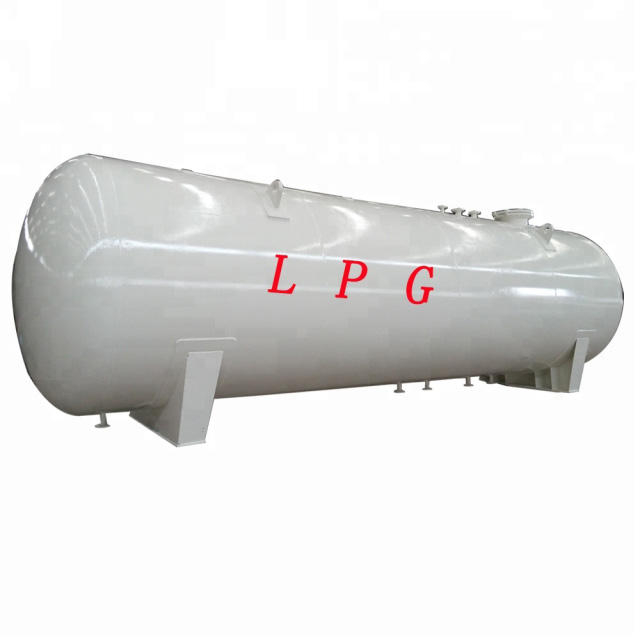
Have you ever considered what happens when water enters a gas station tank? This issue can lead to significant fuel contamination and operational challenges. In this article, we’ll explore the causes of water intrusion, how to identify contamination, and the steps to take when it occurs.
What Causes Water to Enter a Gas Station Tank?
Water can infiltrate gas station tanks through various mechanisms, each presenting unique challenges and implications for fuel quality. Understanding these causes is crucial for effective prevention and management.
Condensation as a Primary Cause
One of the most common ways water enters fuel tanks is through condensation. This occurs when the temperature inside the tank fluctuates, causing moisture in the air to condense into water droplets. Tanks that are not completely full are particularly susceptible to this issue. When air occupies the empty space, humidity can build up, leading to condensation on the tank walls. Over time, this accumulated water can settle at the bottom of the tank, mixing with the fuel and causing contamination.
External Factors: Rain and Flooding
External factors, such as heavy rain or flooding, can also lead to water entering gas station tanks. If the tank's seals or caps are damaged, rainwater can seep in. Additionally, flooding can cause water to infiltrate underground storage tanks through compromised entry points. This is especially concerning for gas stations located in low-lying areas or regions prone to heavy rainfall. Even minor leaks can lead to significant water accumulation if not addressed quickly.
Poor Maintenance and Fuel Quality
Poor maintenance practices can exacerbate water contamination issues in gas station tanks. Inadequate inspections and failure to address leaks can allow water to accumulate unnoticed. Furthermore, fuel quality plays a significant role; fuel sourced from unreliable suppliers may already contain water due to improper storage practices at the supplier's facility. Regular quality checks and maintenance routines are essential to mitigate these risks and ensure the integrity of the fuel stored in the tanks.
Identifying Water Contamination in Gas Station Tanks
Water contamination in gas station tanks can lead to significant operational issues, affecting both fuel quality and engine performance. Identifying the presence of water early is crucial for preventing extensive damage and costly repairs. Here are key signs, methods for testing, and symptoms to watch for regarding water contamination in gas station tanks.
Signs of Water Presence in Fuel
Detecting water in fuel can be challenging, but several signs can indicate its presence:
Visual Clarity: If you notice hazy or cloudy fuel, it may indicate water contamination. Water will often settle at the bottom of the tank, creating a distinct layer.
Rust-Colored Fuel: During fuel filter changes, if you see rust-colored fuel or actual water droplets, this is a clear sign of water contamination. Rust forms from the corrosion of metal components due to prolonged exposure to water.
Engine Performance Issues: If vehicles experience stalling, misfiring, or rough idling, it could be due to water in the fuel. Water disrupts the combustion process, leading to poor engine performance.
Methods for Testing Water Levels
To confirm the presence of water in the fuel, several testing methods can be employed:
Visual Inspection Using a Clear Container:
Obtain a small sample of fuel from the tank using a siphon pump.
Place the sample in a clear glass container and let it sit undisturbed for 10-15 minutes.
Look for separation; water will settle at the bottom as a distinct layer.
Water-Finding Paste:
Purchase water-finding paste from an auto parts store.
Apply it to a clean dipstick or metal rod and insert it into the tank.
Wait for the recommended time, then check for color change, indicating the presence of water.
Fuel Filter Inspection:
Locate and remove the fuel filter, examining its contents.
Look for water droplets or a milky appearance in the fuel, which indicates contamination.
Professional Testing:
Mechanics can perform specialized tests to measure water content in fuel.
This may involve electronic detectors or laboratory analysis for severe cases.
Symptoms of Water Contamination in Engines
If water contaminates the fuel, various symptoms may arise in the engine:
Hard Starting: Water can make it difficult for the engine to start, especially in colder weather.
Decreased Fuel Economy: Water reduces the effective fuel volume, leading to increased fuel consumption.
Engine Misfires: Water disrupts the air-fuel mixture, causing misfires and rough idling.
Check Engine Light: Modern vehicles may trigger a check engine light due to abnormal fuel system operation.
By staying vigilant for these signs and employing appropriate testing methods, gas station operators can effectively identify and address water contamination in their tanks. Early detection is key to maintaining fuel quality and ensuring smooth operations.
Tip: Regularly inspect fuel filters and conduct visual checks for separation in stored fuel to catch water contamination early.
Immediate Actions to Take When Water is Detected in a Gas Station Tank
When water is detected in a gas station tank, immediate action is crucial to mitigate potential damage and prevent further contamination. Here are the essential steps to follow:
1. Suspending Fuel Sales
The first and most critical step is to suspend all fuel sales from the affected tank. This action prevents contaminated fuel from being dispensed to customers, which could lead to engine problems for vehicles and damage to the gas station's reputation. Operators should post clear signs indicating that fuel sales are temporarily halted and inform staff to avoid any sales from the tank until the situation is resolved.
2. Implementing Emergency Response Plans
Once water contamination is confirmed, activate the gas station's emergency response plan. This plan should outline specific procedures for dealing with water contamination, ensuring that all staff are trained and aware of their roles. Key components of the emergency response plan may include:
Communication Protocols: Notify management and relevant regulatory bodies about the contamination.
Customer Notifications: Inform customers about the issue and provide guidance on alternative refueling options.
Documentation: Record the incident details, including the time of detection, actions taken, and any communications made.
3. Securing the Site and Preventing Further Contamination
Securing the site is essential to prevent further contamination and ensure the safety of both employees and customers. Operators should:
Restrict Access: Limit access to the affected area to authorized personnel only.
Implement Containment Measures: Use barriers or absorbent materials to contain any visible water or fuel mixture that may have leaked. This action prevents environmental contamination and complies with safety regulations.
Monitor Weather Conditions: Stay vigilant during adverse weather conditions that may exacerbate the problem, such as heavy rainfall or flooding.
Additional Steps
After securing the site, the next steps typically involve assessing the extent of contamination and developing a plan for remediation. This may include:
Sedimentation: Allowing time for water to settle at the bottom of the tank. This process can take several hours, during which operators can monitor the situation.
Testing: Conducting tests to determine the water level and quality of the remaining fuel.
Extraction: Using pumps or siphons to remove the water and contaminated fuel mixture from the tank.
By taking these immediate actions, gas station operators can minimize the risk of damage to their equipment, protect their customers, and maintain regulatory compliance.
Tip: Always ensure that your emergency response plan is up-to-date and that all staff members are trained on how to act when water contamination is detected in gas station tanks.
Steps for Removing Water from Gas Station Tanks
When water contamination is confirmed in a gas station tank, it’s essential to act promptly and efficiently to remove the water and restore the fuel quality. Below are the critical steps to follow for effective water removal.
Sedimentation Process Explained
The first step in addressing water contamination is allowing the water to settle at the bottom of the tank. This process, known as sedimentation, typically requires a minimum of eight hours. During this time, the water will separate from the fuel, forming a distinct layer at the bottom. It’s important to monitor the tank during this period to ensure no further contamination occurs.
Using Pumps for Water Extraction
Once the water has settled, the next step is to extract it. Operators should use hand pumps or explosion-proof pumps to carefully remove the water layer from the tank. Here’s how to do it:
Prepare the Equipment: Ensure that all pumps are explosion-proof and suitable for handling flammable liquids.
Extract the Water: Begin pumping out the water, ensuring that the pumps are positioned at the lowest point of the tank to capture as much water as possible.
Handle the Mixture Properly: The extracted oil-water mixture must be transported to a designated treatment facility. It cannot be discharged improperly, as this could lead to environmental contamination and regulatory violations.
Laboratory Testing and Quality Assurance
After the water has been extracted, it’s crucial to conduct laboratory testing to assess the quality of the remaining fuel. Here’s a step-by-step guide:
Sample Collection: Use a dipstick or sampling device to take multiple samples from the top, middle, and bottom of the tank. This will provide a comprehensive overview of the fuel quality.
Send for Analysis: Send the samples to a qualified laboratory for testing. The analysis will check for water content, impurities, and the overall quality of the fuel.
Evaluate Results: Based on the laboratory results, determine whether the fuel is suitable for sale. If the fuel quality is compromised, further action may be necessary, such as additional cleaning or filtering.
Additional Steps
If the fuel does not pass quality assurance checks, consider the following:
Transfer Contaminated Fuel: Arrange for a tanker truck to remove any contaminated fuel that failed inspection. Ensure the truck is equipped with the necessary filtering systems.
Clean the Tank: If needed, conduct a thorough cleaning of the tank to eliminate any residual contaminants. This may involve flushing the tank with clean fuel and ensuring that all internal surfaces are free from water and debris.
Maintain Records: Document all actions taken, including water extraction, testing results, and any communications with regulatory bodies. This record will be vital for compliance and future reference.
By following these steps, gas station operators can effectively manage water contamination in their tanks, ensuring the safety and quality of their fuel supply.
Preventive Measures for Gas Station Tanks
Preventing water from entering gas station tanks is critical for maintaining fuel quality and ensuring safe operations. Here are several effective strategies to minimize the risks associated with water contamination.
Regular Maintenance and Inspections
Regular maintenance is essential for identifying and addressing potential issues before they escalate. Operators should implement a routine inspection schedule for their tanks, focusing on:
Tank Seals and Caps: Check for any signs of wear or damage. Ensure that seals are intact and caps fit securely to prevent water ingress from rain or condensation.
Drainage Systems: Inspect drainage systems and sumps for blockages. Ensure they’re functioning correctly to divert water away from the tank area.
Visual Inspections: Conduct visual inspections of the tank, looking for signs of rust, leaks, or any unusual moisture around the tank area.
By performing these inspections regularly, operators can catch issues early and take corrective action.
Installing Water Separators
Water separators are specialized devices designed to remove water from fuel before it enters the tank or reaches the fuel dispensing system. Installing these devices can significantly reduce the risk of water contamination. Key benefits include:
Continuous Monitoring: Many modern water separators feature sensors that alert operators when water is detected, allowing for timely action.
Improved Fuel Quality: By removing water, these separators help maintain the integrity of the fuel, preventing engine performance issues for customers.
Cost-Effective: Investing in water separators can save money in the long run by reducing costly repairs associated with water contamination.
Best Practices for Fuel Storage
Implementing best practices for fuel storage can further enhance prevention efforts. Consider the following:
Keep Tanks Full: Keeping tanks as full as possible reduces the air space where condensation can form. This simple measure can significantly minimize the risk of water accumulation.
Use Quality Fuel: Source fuel from reputable suppliers with good turnover rates. This reduces the likelihood of receiving contaminated fuel.
Install Moisture Sensors: Consider using automated moisture sensors that continuously monitor water levels in tanks. These sensors provide real-time data, allowing for immediate action if water is detected.
Conduct Regular Sampling: Regularly sample fuel from the bottom of the tank to check for the presence of water. This proactive measure can help catch contamination before it affects customers.
By adopting these preventive measures, gas station operators can safeguard their fuel tanks against water contamination, ensuring high-quality fuel delivery and protecting their equipment.
Conclusion
Water can enter gas station tanks through condensation, external factors, and poor maintenance. Proactive management is vital to prevent contamination. Regular monitoring and maintenance of tanks help ensure fuel quality and operational efficiency. By staying vigilant, gas station operators can mitigate risks and protect their investments. Ecotec offers innovative solutions to safeguard tanks, ensuring high-quality fuel delivery and operational integrity. Their products provide significant value by enhancing tank management and preventing contamination issues.
FAQ
Q: What is a gas station tank?
A: A gas station tank is a storage container used to hold fuel, typically located underground, designed to safely store gasoline or diesel for dispensing at gas stations.
Q: How can I detect water in my gas station tank?
A: You can detect water in a gas station tank through visual inspection, using water-finding paste, or by checking fuel filters for signs of contamination.
Q: Why does water enter a gas station tank?
A: Water can enter a gas station tank due to condensation, external factors like rain, or poor maintenance practices.
Q: What are the costs associated with cleaning a gas station tank?
A: Costs for cleaning a gas station tank can vary widely depending on the extent of contamination and required remediation efforts, including labor, equipment, and disposal fees.
Q: What are the benefits of maintaining a gas station tank?
A: Regular maintenance of a gas station tank ensures fuel quality, prevents contamination, reduces repair costs, and enhances customer satisfaction by providing reliable fuel.
Zhejiang Ecotec Energy Equipment Co., Ltd. is a professional manufacturer of gas station equipment, can offer customer complete solution from design to after-sales service with good price and quality.