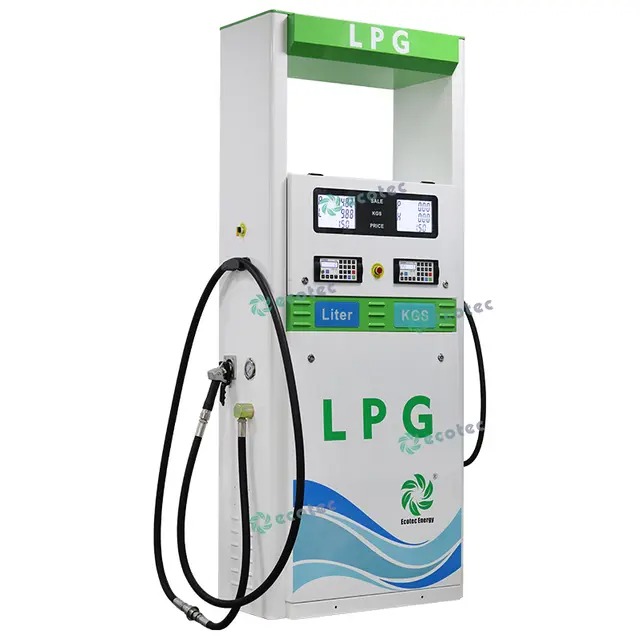
Ever wondered how LPG gas is efficiently stored and transported? LPG gas compressors play a crucial role in this process. These machines increase the pressure of LPG, making it easier to handle and use. In this post, you'll learn about the definition, importance, and various applications of LPG gas compressors across industries.
Understanding LPG Gas Compressors
What is an LPG Gas Compressor?
An LPG gas compressor is a machine designed to increase the pressure of liquefied petroleum gas (LPG), which mainly consists of propane and butane. By compressing LPG, the gas becomes easier to store, transport, and use in various applications. The compressor reduces the volume of LPG gas, raising its pressure to meet the requirements of storage tanks, transportation pipelines, or fuel systems. These compressors are essential in industries where LPG is handled, ensuring safe and efficient gas flow.
How LPG Compressors Work
LPG compressors operate by mechanically compressing the gas. The process typically involves drawing LPG vapor or gas into the compressor, where pistons, screws, or impellers reduce its volume. This volume reduction increases the gas pressure. The compressed gas then flows through discharge valves into storage tanks or pipelines.
During compression, the gas temperature rises due to pressure increase. Most LPG compressors rely on air cooling to manage this temperature. Forced cooling is avoided during unloading because cooling the gas too much can cause it to liquefy prematurely, disrupting the pressure balance necessary for smooth transfer.
Compressors often include safety mechanisms such as pressure relief valves and automatic shutdown systems to prevent overpressure and overheating, reducing risks associated with LPG’s flammability.
Types of LPG Compressors
Several types of compressors are used for LPG, each suited to different operational needs:
Reciprocating Compressors: Use pistons moving back and forth to compress gas. They are common for small to medium capacities and favored for their simplicity and reliability.
Rotary Screw Compressors: Utilize two interlocking screws to compress the gas continuously. These are efficient for larger volumes and industrial applications.
Centrifugal Compressors: Employ high-speed rotating impellers to accelerate and compress gas. They handle very large volumes and are typically used in large-scale industrial plants.
Each type has specific advantages. For example, reciprocating compressors are compact and easy to maintain, while rotary screw compressors offer continuous flow and higher efficiency. Centrifugal compressors excel in high-capacity environments but require more complex maintenance.
Applications of LPG Gas Compressors
LPG gas compressors serve vital roles across various sectors, enabling the safe and efficient handling of liquefied petroleum gas. Their applications span industrial, residential, commercial, and logistical uses, each requiring specific compressor functions and features.
Industrial Uses
In industries, LPG compressors are indispensable for processes requiring pressurized gas. They help move LPG through pipelines, power equipment, and support manufacturing operations. For example, in petrochemical plants, compressors maintain the necessary pressure for LPG to be used as a raw material or fuel.
Reciprocating compressors often handle smaller industrial tasks, offering compactness and reliability.
Rotary screw compressors efficiently manage large volumes in heavy industries like oil refining and chemical production.
Centrifugal compressors serve massive operations such as power plants, providing continuous high-capacity gas flow.
These compressors ensure smooth operations by maintaining steady gas pressure and flow, crucial for industrial safety and productivity.
Residential and Commercial Applications
LPG compressors also play important roles in residential and commercial settings. They regulate LPG pressure for household heating, cooking, and even vehicle fuel systems. In commercial kitchens, for instance, compressors enable a steady LPG supply for cooking appliances, ensuring consistent performance.
In commercial buildings, they support heating systems and backup power generators. Compressors help maintain the right pressure for LPG cylinders used in these environments, ensuring safety and efficiency.
LPG Bottling and Transfer Processes
One of the most critical applications of LPG compressors lies in the bottling and transfer of LPG. The bottling process involves compressing LPG gas to fill cylinders safely and efficiently. This process requires precise pressure control to prevent leaks or accidents.
Bottling: Compressors pressurize LPG vapor, enabling it to fill cylinders through vapor transfer. Safety checks like leak and pressure tests follow to ensure cylinder integrity.
Transfer: Compressors facilitate LPG movement between storage tanks or from tanks to delivery trucks. This transfer maintains pressure differences crucial for smooth flow without causing premature liquefaction.
Unloading compressors, a specialized type, speed up the transfer of LPG from delivery trucks to storage tanks, reducing downtime and enhancing safety.
Key Features of LPG Gas Compressors
LPG gas compressors come packed with features designed to ensure safe, efficient, and customizable operation. These features address the unique challenges of handling liquefied petroleum gas, which is highly flammable and requires careful management.
Safety Features
Safety is the top priority in LPG compressors. Most models include multiple safety mechanisms to prevent accidents:
Pressure Relief Valves: These valves release excess pressure to avoid dangerous overpressure situations.
Automatic Shutdown Systems: In case of overheating, leaks, or abnormal pressure, compressors shut down automatically to prevent hazards.
Temperature Sensors: These monitor the compressor’s temperature to avoid overheating during compression.
Flame Arrestors: Installed to prevent flames from traveling back into the compressor or gas line.
Leak Detection Systems: Some compressors have sensors that detect gas leaks early, triggering alarms or shutdowns.
These safety features help protect operators, equipment, and the environment during LPG compression, bottling, and transfer.
Energy Efficiency
Modern LPG compressors are designed to minimize energy consumption while maintaining performance:
Optimized Compression Cycles: Compressors use efficient piston or screw designs to reduce energy lost during compression.
Variable Speed Drives: Some models adjust motor speed based on demand, saving power during low-use periods.
Improved Sealing: Better seals reduce gas leakage and maintain pressure, improving overall efficiency.
Low Friction Components: These reduce mechanical losses and extend equipment life.
Energy-efficient compressors lower operational costs and reduce environmental impact by consuming less electricity and producing fewer emissions.
Customization Options
LPG compressors come in various sizes and configurations to fit diverse needs:
Capacity Range: From small units for residential or light commercial use to large industrial compressors handling high volumes.
Compressor Types: Options include reciprocating, rotary screw, and centrifugal compressors depending on pressure and flow requirements.
Cooling Methods: Air-cooled or water-cooled systems can be selected based on installation environment.
Control Systems: Basic manual controls or advanced automated systems with remote monitoring.
Mounting Styles: Stationary, skid-mounted, or portable units for different operational setups.
Customization ensures the compressor matches the specific application, whether for bottling LPG cylinders, transferring gas between tanks, or supplying industrial processes.
Types of LPG Gas Compressors
LPG gas compressors come in three main types, each designed to meet specific needs for pressure, volume, and efficiency. Understanding these types helps choose the right compressor for your application.
Reciprocating Compressors
These compressors use pistons moving back and forth inside cylinders to compress gas. The pistons draw in LPG vapor, compress it by reducing volume, then push it out at higher pressure. They are common in small to medium operations because of their simple design and reliability.
Advantages: Compact, easy to maintain, good for low to medium capacity.
Typical Use: Small industrial plants, LPG bottling stations, and residential applications.
Their mechanical simplicity means fewer parts to wear out, making them cost-effective for many businesses.
Rotary Screw Compressors
Rotary screw compressors use two interlocking screws that rotate to compress the gas continuously. As the screws turn, they trap gas between them and push it through the compressor, increasing its pressure steadily.
Advantages: Smooth, continuous flow of gas, highly efficient at larger volumes.
Typical Use: Large industrial facilities, chemical plants, and oil refineries.
These compressors can handle high flow rates with less vibration and noise, improving workplace conditions and reducing maintenance needs.
Centrifugal Compressors
Centrifugal compressors use high-speed rotating impellers to accelerate gas outward, increasing its pressure by converting velocity into pressure in a diffuser. They handle very large volumes of LPG and are ideal for continuous, high-capacity operations.
Advantages: Suitable for very large volumes, high efficiency at steady operation.
Typical Use: Power plants, large petrochemical complexes, and major LPG distribution centers.
Though effective, they require more complex maintenance and higher initial investment, making them best for large-scale industrial use.
Choosing the right compressor depends on your specific needs: volume of LPG, pressure requirements, and operational scale. Reciprocating compressors fit smaller, less demanding tasks. Rotary screw compressors suit medium to large scales needing continuous flow. Centrifugal compressors excel in very large, high-demand environments.
Maintenance and Safety Guidelines
Proper maintenance and safety measures are vital for the reliable operation of LPG gas compressors. Since LPG is highly flammable, handling it requires strict adherence to safety protocols and routine upkeep of equipment.
Regular Inspections
Frequent inspections help identify potential issues early, preventing costly breakdowns or hazardous situations. Key inspection tasks include:
Checking for gas leaks around seals, valves, and connections.
Examining compressor components for wear, corrosion, or damage.
Verifying functionality of safety devices such as pressure relief valves and automatic shutdown systems.
Ensuring proper lubrication of moving parts to reduce friction and wear.
Inspecting cooling systems to prevent overheating during compression cycles.
Scheduling inspections according to manufacturer recommendations and operational intensity keeps compressors in optimal condition. Documenting inspection results supports compliance and facilitates timely repairs.
Operator Training
Well-trained operators are essential for safe and efficient compressor use. Training should cover:
Understanding compressor operation principles and controls.
Recognizing warning signs like unusual noises, vibrations, or pressure fluctuations.
Performing routine maintenance tasks such as filter changes and lubrication.
Executing emergency shutdown procedures in case of leaks, overheating, or other hazards.
Following safety protocols for handling LPG, including use of personal protective equipment (PPE).
Awareness of regulatory requirements and company safety policies.
Regular refresher courses and drills reinforce knowledge and prepare operators for unexpected situations.
Compliance with Regulations
LPG compressors must comply with local, national, and international safety standards. Compliance ensures:
Equipment meets design and performance criteria for safe LPG handling.
Installation and operation follow guidelines minimizing risk to personnel and environment.
Periodic audits and certifications validate ongoing safety and reliability.
Proper documentation of maintenance, inspections, and incidents for accountability.
Operators and maintenance teams should stay updated on regulatory changes and implement necessary adjustments promptly.
Tip: Establish a preventive maintenance schedule combining regular inspections, operator training, and compliance audits to maximize LPG compressor safety and uptime.
Future Trends and Innovations
LPG gas compressors are evolving rapidly, driven by the need for better performance, safety, and environmental care. Several exciting trends and innovations are shaping their future.
Advancements in Compressor Technology
Modern LPG compressors benefit from improved materials and design techniques. Components now last longer and resist wear better, reducing downtime and maintenance costs. New sealing technologies minimize gas leaks, enhancing safety and efficiency. Variable speed drives are becoming common, allowing compressors to adjust their power based on demand. This flexibility saves energy and reduces operational costs.
Digital controls and automation are also transforming compressors. Smart sensors monitor pressure, temperature, and vibration in real time. These sensors enable predictive maintenance, alerting operators before failures occur. Automated systems can optimize compressor performance, balancing load and minimizing energy waste.
Environmental Sustainability
Environmental concerns push manufacturers to design greener compressors. Energy efficiency is a top priority, cutting electricity use and lowering carbon footprints. Many compressors now meet or exceed strict environmental standards, helping companies comply with regulations.
Reducing leaks is another focus. LPG is a potent greenhouse gas, so tighter seals and advanced leak detection systems are crucial. Some compressors incorporate eco-friendly lubricants and cooling systems that minimize environmental impact.
Recycling residual gas during unloading or transfer processes is gaining traction. This reduces waste and improves overall system efficiency.
Smart Technologies in LPG Compression
The integration of smart technologies is revolutionizing LPG compression. Internet of Things (IoT) devices connect compressors to cloud platforms, enabling remote monitoring and control. Operators can track compressor status, receive alerts, and adjust settings from anywhere.
Artificial intelligence (AI) and machine learning analyze operational data to optimize performance and predict maintenance needs. This reduces unexpected downtime and extends equipment life.
Smart compressors also improve safety. They can detect abnormal conditions quickly and trigger automatic shutdowns or alarms, protecting personnel and equipment.
Conclusion
LPG gas compressors are vital machines that enhance the storage and transport of liquefied petroleum gas by increasing pressure. They operate using various mechanisms such as pistons, screws, or impellers. The importance of these compressors spans industrial, residential, and commercial applications, ensuring safe and efficient LPG handling. As technology advances, future developments promise increased efficiency and sustainability. Zhejiang Ecotec Energy Equipment offers innovative LPG compressors with cutting-edge features, delivering exceptional value in safety and performance.
FAQ
Q: What is an LPG Gas Compressor?
A: An LPG Gas Compressor is a device that increases the pressure of liquefied petroleum gas (LPG) for easier storage, transport, and use.
Q: How does an LPG Gas Compressor work?
A: It works by drawing in LPG vapor and compressing it using pistons, screws, or impellers, increasing pressure and facilitating storage or transport.
Q: Why use an LPG Gas Compressor?
A: It ensures safe, efficient handling and transfer of LPG by maintaining required pressure levels for various applications.
Q: What are the benefits of using an LPG Gas Compressor?
A: Benefits include improved safety, efficient gas flow, and reduced storage space due to increased pressure.
Q: How do I troubleshoot an LPG Gas Compressor?
A: Regular inspections for leaks, checking safety devices, and ensuring proper lubrication help troubleshoot common issues.


