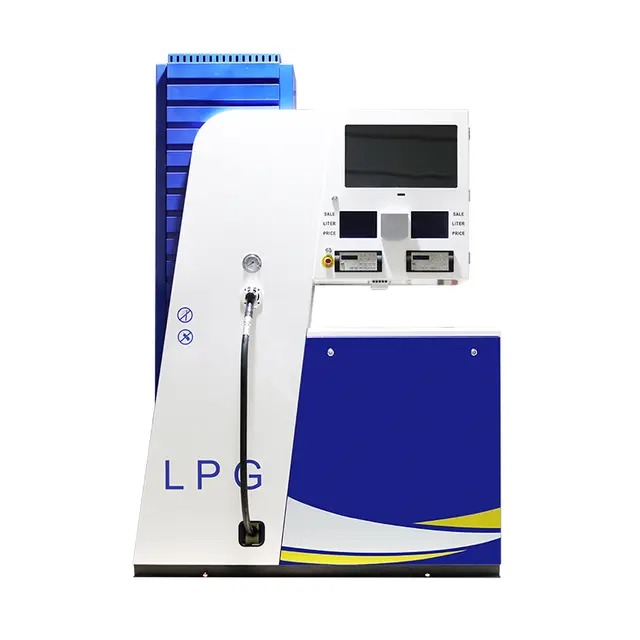
Ever wondered how fuel dispensers efficiently deliver fuel to your vehicle? These machines are crucial in the fueling industry, ensuring safe and accurate transactions. In this post, you'll learn about the components and workings of fuel dispensers, highlighting their importance and functionality.
Initial Setup: Starting the Fuel Dispenser
Starting a fuel dispenser involves a few key steps that set the entire fueling process in motion. It all begins when the user lifts the fuel nozzle from its holder. This simple action triggers an internal switch inside the dispenser. The switch sends a start signal to the dispenser’s computer system, waking it up and preparing it for a new fueling transaction.
The Role of the Fuel Nozzle
The fuel nozzle is more than just a handle to deliver fuel. It acts as the user interface to start the dispenser system. When lifted, it activates the internal switch, signaling the dispenser to reset and clear any previous transaction data. This reset ensures the display shows zero and is ready to measure the new amount of fuel accurately.
Additionally, the nozzle contains safety features like a trigger lock and an automatic shut-off valve. These prevent fuel from flowing unless the nozzle is properly engaged in a vehicle’s fuel tank, reducing spills and hazards.
Activating the Dispenser System
Once the start signal is sent, the dispenser’s computer resets the display panel to clear old readings. It then sends commands to the relay board and electromagnetic valve. The relay board energizes the motor, while the electromagnetic valve opens to allow fuel flow. This coordinated action ensures the dispenser is fully operational and ready to pump fuel.
The motor starts running, driving the gear pump that draws fuel from the underground storage tank. The electromagnetic valve acts as a gatekeeper, controlling fuel flow to prevent leaks or unauthorized dispensing.
Preparing for a New Transaction
Before fuel dispensing begins, the system performs checks to ensure everything is ready. It verifies the motor and pump are working, the electromagnetic valve is open, and the flow meter is reset. The display panel shows zero volume and price, indicating readiness.
Some advanced dispensers also perform self-diagnostics during this phase, checking for leaks or faults. This helps maintain safety and accuracy before fuel starts moving.
Once all checks pass, the dispenser waits for the user to pull the trigger on the nozzle. Pulling the trigger starts the actual fuel flow, and the system begins measuring the volume dispensed in real time.
Tip: Always ensure the fuel nozzle is fully lifted and the trigger is properly engaged before fueling to activate the dispenser system and avoid transaction errors.
Fuel Flow Mechanism
Fuel dispensers rely on a precise mechanical system to move fuel from storage tanks into vehicles. This system centers around the motor and gear pump, which work together to ensure fuel flows smoothly and consistently.
The Motor and Gear Pump Functionality
The motor acts as the power source for the dispenser. When activated, it drives the gear pump through a mechanical linkage such as belts or gears. The gear pump then draws fuel from the underground tank and pressurizes it. This pressurization is crucial because it pushes the fuel through the dispenser’s internal pipes toward the nozzle.
Gear pumps are positive displacement pumps, meaning they move a fixed amount of fuel with each rotation. This feature helps maintain a steady and predictable flow rate, essential for accurate dispensing.
Energy Transfer and Fuel Pressurization
Energy from the motor transfers mechanically to the gear pump, creating the force needed to push fuel through the system. The pump’s gears mesh tightly, trapping fuel between them and the pump casing, then forcing it forward under pressure.
This pressurization overcomes resistance in the dispenser’s piping and the fuel nozzle. Without it, fuel would not flow reliably, especially when filling tanks quickly or dealing with elevation changes.
Ensuring Consistent Fuel Flow
Maintaining consistent fuel flow is vital to avoid errors in measurement and prevent spills. The gear pump’s design helps by delivering fuel at a uniform rate, even if demand changes suddenly.
Additionally, the system includes sensors and feedback loops. These monitor flow rate and pressure, adjusting motor speed or valve positions to keep fuel moving steadily. This real-time control supports both accuracy and safety during fueling.
Oil-Gas Separation Process
Fuel dispensers use an oil-gas separator to improve fuel quality and measurement accuracy. This component plays a crucial role in removing unwanted air and vapors from the fuel before it reaches the flow meter.
Purpose of the Oil-Gas Separator
The oil-gas separator's main job is to ensure only pure liquid fuel passes through. When fuel is pumped from the underground tank, it often contains air bubbles or vapor mixed in. These gases can cause inaccurate volume readings and affect the smooth flow of fuel. The separator traps and removes these gases, venting them safely away from the fuel path.
Removing Air and Vapors
Inside the separator, fuel slows down, allowing air and vapor to rise and separate from the liquid. The heavier liquid fuel settles at the bottom and continues flowing toward the flow meter. Meanwhile, the trapped gas is released through a vent pipe, preventing it from mixing back with the fuel. This process is vital because gas pockets can cause erratic fuel flow and disrupt the dispenser’s operation.
Impact on Fuel Measurement Accuracy
Removing air and vapors improves the precision of fuel dispensing. The flow meter measures the volume of liquid fuel, so any gas present can inflate the reading, leading to overcharging or under-delivery. By ensuring only liquid fuel reaches the meter, the oil-gas separator helps maintain correct fuel quantities and fair pricing.
The separator also protects dispenser components from damage caused by gas bubbles, which can cause cavitation or wear in pumps and valves. This extends equipment life and reduces maintenance costs.
Tip: Regularly inspect and maintain the oil-gas separator to prevent gas buildup, ensuring accurate fuel measurement and prolonging dispenser lifespan.
Flow Meter: Measuring and Counting Fuel
The flow meter plays a crucial role in fuel dispensers. It measures how much fuel passes through, ensuring accuracy and fairness in every transaction. Without it, you wouldn't know how much fuel you pumped or how much to pay.
How the Flow Meter Works
Most fuel dispensers use a positive displacement flow meter, often a piston-type design. Inside the meter, several pistons move as fuel flows through. Each piston stroke moves a small, fixed volume of fuel. When the pistons turn, they rotate a shaft connected to a mechanical or electronic counter.
This counter records the total fuel volume passing through. Because each piston stroke equals a known volume, the meter can count fuel precisely. The design prevents errors caused by fuel speed or pressure changes, making it highly reliable.
Ensuring Accurate Dispensing
Accuracy is key in fuel dispensing. The flow meter must deliver exact readings to avoid overcharging or shortchanging customers. To achieve this, manufacturers calibrate flow meters carefully and use materials that resist wear and corrosion.
Sensors inside the dispenser continuously monitor the flow meter’s performance. If the system detects irregularities, it can alert the operator or even stop the fuel flow to prevent mistakes. Regular maintenance and calibration checks are essential to keep the meter functioning correctly.
Real-time Data Monitoring
Modern fuel dispensers integrate flow meters with digital systems. These systems collect real-time data on fuel volume, flow rate, and transaction details. The dispenser’s computer uses this data to update the display instantly, showing the exact amount of fuel dispensed and the total price.
This real-time feedback helps users track fueling progress and ensures transparency. It also allows station operators to monitor fuel usage remotely, detect leaks or theft, and optimize inventory management.

Dispensing Fuel: From Meter to Nozzle
Role of the Electromagnetic Valve
After the flow meter measures the fuel volume, the fuel reaches the electromagnetic valve. This valve acts like a gatekeeper, controlling whether fuel can flow toward the nozzle. It only opens when the dispenser system receives the proper signals, ensuring fuel moves safely and only during authorized transactions.
The valve uses an electric coil to create a magnetic field, which moves a plunger inside. When energized, the plunger shifts, opening the valve and allowing fuel to pass. When power cuts off, the valve closes automatically, stopping fuel flow immediately. This quick response is crucial for preventing leaks or spills if something goes wrong.
Safety Features in Fuel Dispensing
Safety is a top priority for fuel dispensers. The electromagnetic valve is just one of several features designed to protect users and the environment during fueling.
Automatic Shut-off: The valve shuts off fuel flow instantly if the system detects a fault or emergency.
Trigger Control: Fuel only flows when the nozzle trigger is pulled, preventing accidental dispensing.
Pressure Sensors: These monitor fuel pressure, helping detect blockages or leaks and triggering shutdowns if needed.
Overfill Prevention: The system can stop dispensing once the vehicle’s tank is full, reducing spill risks.
Together, these safety features create multiple layers of protection, making fueling safer for everyone.
Design of Anti-Static Hoses and Nozzles
Fuel hoses and nozzles are designed to reduce static electricity buildup, a potential fire hazard. Anti-static materials and grounding wires inside the hoses safely dissipate static charges as fuel flows.
The nozzle itself often includes:
Grounding Connections: These ensure any static electricity safely travels to the ground.
Automatic Shut-off Valves: These stop fuel flow when the tank is full or if the nozzle is removed.
Ergonomic Design: Easy to handle and control, reducing user fatigue and errors.
Anti-static hoses and nozzles help prevent sparks during fueling, protecting users and property from fire risks.
Additional Safety and Monitoring Features
Fuel dispensers come equipped with several critical safety and monitoring features. These systems help protect users, prevent accidents, and maintain smooth operation.
Automatic Shut-off Valves
One of the most important safety components is the automatic shut-off valve. Located inside the fuel nozzle, this valve senses when the vehicle’s fuel tank is full. It uses a small venturi tube and pressure sensor to detect fuel backup in the tank. Once the tank reaches capacity, the valve closes automatically, stopping fuel flow immediately. This prevents overfilling, fuel spills, and potential fire hazards.
Automatic shut-off valves also activate if the nozzle is removed from the vehicle during fueling. This quick response reduces the risk of fuel leakage on the ground or around the dispenser.
Leak Detection and Overload Protection
Fuel dispensers include leak detection systems to identify any fuel leaks within the dispenser or underground pipes. Sensors monitor pressure changes or unusual flow patterns. If a leak is detected, the system alerts the operator and can shut down the dispenser to prevent environmental contamination or safety risks.
Overload protection safeguards the motor and pump from damage caused by excessive current or mechanical stress. Circuit breakers or electronic controllers monitor electrical loads and stop the motor if an overload occurs. This protects equipment longevity and prevents costly repairs.
Remote Monitoring Systems
Modern fuel dispensers often feature remote monitoring capabilities. These systems connect dispensers to a central control center via wired or wireless networks. Operators can track fuel flow, transaction data, and dispenser status in real time.
Remote monitoring helps detect faults early, schedule maintenance proactively, and prevent downtime. It also enables fuel station managers to optimize fuel inventory, reduce theft, and comply with regulatory reporting requirements.
Tip: Integrate regular testing and calibration of safety valves and leak detection sensors into maintenance schedules to ensure reliable protection and compliance.
Conclusion:
Fuel dispensers ensure precise operation with components like flow meters and electromagnetic valves, safeguarding against spills and inaccuracies. Modern dispensers feature advanced technologies such as leak detection and remote monitoring, enhancing safety and operational efficiency. Future trends focus on integrating smarter systems for better inventory management and environmental protection. Zhejiang Ecotec Energy Equipment offers innovative dispensers that combine reliability with cutting-edge technology, providing exceptional value and service in the fueling industry.
FAQ
Q: What is a fuel dispenser?
A: A fuel dispenser is a machine at a gas station used to pump fuel into vehicles, measuring the amount dispensed and calculating the cost.
Q: How does a fuel dispenser start?
A: A fuel dispenser starts when the user lifts the fuel nozzle, triggering an internal switch that activates the dispenser's computer system for a new transaction.
Q: Why is the flow meter important in a fuel dispenser?
A: The flow meter in a fuel dispenser measures the precise volume of fuel dispensed, ensuring accurate transactions and fair pricing.
Q: How does a fuel dispenser ensure safety during fueling?
A: Fuel dispensers use safety features like automatic shut-off valves, pressure sensors, and anti-static hoses to prevent spills, leaks, and static electricity hazards.


