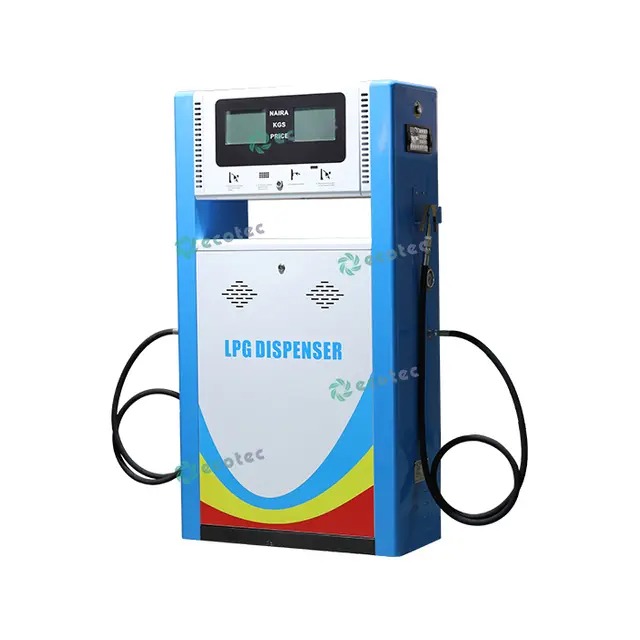
Ever wondered what makes a gas station tick smoothly? Fuel dispensers are crucial in modern gas stations, ensuring efficient service. In this post, you'll learn about their vital functions and benefits, enhancing customer experience and operational efficiency.
Convenience for Customers
How Fuel Dispensers Enhance Customer Experience
Fuel dispensers play a vital role in making the refueling process smooth and hassle-free for customers. They allow drivers to quickly fill their tanks without stepping out of their vehicles or interacting with complicated equipment. Modern dispensers often feature easy-to-read digital displays and intuitive controls, helping customers understand fuel grades and prices instantly.
Many fuel dispensers now include user-friendly interfaces, such as touchscreens or alphanumeric keypads, enabling customers to select fuel types or payment methods conveniently. Some even support contactless payments, reducing the need for cash or card handling. This ease of use boosts customer satisfaction, encouraging repeat visits and loyalty.
Additionally, fuel dispensers often have clear, visible pricing and promotional messages. This transparency builds trust and helps customers make informed decisions quickly. When customers feel confident and comfortable, their overall experience improves significantly.
The Role of Fuel Dispensers in Reducing Wait Times
Fuel dispensers are designed to serve multiple vehicles efficiently, minimizing queues and wait times. Advanced models support faster flow rates, meaning customers spend less time pumping fuel. Some dispensers feature multiple hoses, allowing stations to serve more vehicles simultaneously.
Automation also plays a key role. Integrated systems can process payments and start fueling automatically, speeding up transactions. This reduces congestion during peak hours and improves station throughput.
Moreover, fuel dispensers equipped with real-time monitoring can alert staff about maintenance needs or malfunctions. Quick service reduces downtime, ensuring more pumps remain operational. This reliability keeps lines moving smoothly and prevents customer frustration.
In busy locations, efficient fuel dispensers contribute directly to higher customer turnover and increased sales. Customers appreciate quick service, and stations benefit from optimized operations.
Tip: Invest in fuel dispensers with fast flow rates and intuitive payment options to boost customer satisfaction and reduce wait times at your gas station.
Accurate Fuel Dispensing
Technological Advancements in Fuel Dispensing
Fuel dispensers have evolved significantly thanks to technology. Modern dispensers use advanced meters and sensors to ensure every drop of fuel is measured accurately. These meters are often electronic and digital, replacing older mechanical systems that could wear down and cause errors.
Some dispensers now include smart technology that automatically calibrates itself. This reduces human error and maintenance needs. They can detect flow rate changes and adjust accordingly, ensuring consistent fuel delivery regardless of temperature or pressure variations.
Additionally, fuel dispensers integrate with forecourt automation systems. This allows real-time communication between pumps and central control systems. Stations can monitor fuel usage instantly, detect leaks, and even prevent fraud by identifying unusual dispensing patterns.
Digital displays show precise fuel amounts and costs, helping customers trust the pump. Some dispensers also use RFID or barcode scanning to verify vehicle types or payment methods, further improving accuracy and convenience.
Ensuring Precision in Fuel Measurement
Precision in fuel measurement is crucial for both customers and station owners. Customers expect to pay only for the fuel they receive. Station owners want to avoid losses caused by inaccurate meters or theft.
Fuel dispensers use multi-piston meters or turbine flow meters that provide high repeatability and accuracy, often within ±0.2%. These meters are built to withstand harsh conditions and maintain calibration over time.
Regular calibration checks and compliance with industry standards, such as MID (Measuring Instruments Directive) in Europe, guarantee accuracy. Many dispensers have self-diagnostic features that alert operators when recalibration or maintenance is needed.
Accurate dispensing also helps avoid disputes with customers and regulatory penalties. It builds trust and loyalty, essential for business success. Moreover, precise fuel measurement supports inventory management and financial reporting, enabling better business decisions.
Safety and Environmental Compliance
Safety Features of Modern Fuel Dispensers
Fuel dispensers today come packed with safety features designed to protect customers, employees, and the environment. One key feature is the automatic shut-off valve. It stops fuel flow immediately when a tank is full, preventing spills that can cause fires or environmental damage. Overfill prevention devices add another layer of security by sensing when tanks reach capacity and halting the fuel supply.
Many dispensers also include emergency stop buttons that allow quick shutdown in case of accidents or malfunctions. Breakaway couplings are common too; they disconnect hoses safely if a vehicle drives away with the nozzle still attached, preventing hose damage and fuel leaks.
Advanced leak detection systems monitor fuel lines and pumps continuously. If a leak occurs, alarms notify station staff instantly, allowing rapid response to avoid hazards. Some dispensers have vapor recovery systems that capture fuel vapors during dispensing, reducing harmful emissions and improving air quality around the station.
Furthermore, modern dispensers are built to meet rigorous electrical safety standards. Explosion-proof components minimize risks in flammable environments. This ensures the dispenser operates safely even under challenging conditions.
Environmental Standards and Fuel Dispenser Compliance
Fuel dispensers must comply with strict environmental regulations to reduce pollution and protect public health. Most countries enforce standards limiting emissions of volatile organic compounds (VOCs) during fuel transfer. Vapor recovery systems integrated into dispensers capture these vapors, preventing them from escaping into the atmosphere.
Dispenser designs also focus on preventing soil and groundwater contamination. Double-walled hoses and containment sumps catch leaks before they reach the environment. Stations often install sensors that detect leaks early, ensuring quick repairs.
Compliance with international standards like ATEX in Europe guarantees dispensers are safe in explosive atmospheres. Calibration and accuracy standards such as MID ensure fuel measurement is precise, which indirectly supports environmental goals by minimizing fuel waste.
Regular inspections and certifications are mandatory in many regions. These checks verify that dispensers maintain their safety and environmental features over time. Operators must keep detailed records to demonstrate ongoing compliance.
Investing in dispensers that meet or exceed these standards helps gas stations avoid fines, legal issues, and reputational damage. It also shows commitment to sustainability, which customers increasingly value.
Increased Efficiency and Productivity
Streamlining Operations with Advanced Fuel Dispensers
Fuel dispensers today are designed to boost efficiency at gas stations. Advanced models come equipped with features that simplify and speed up the fueling process. For example, many dispensers offer multiple hoses, enabling several customers to refuel simultaneously. This reduces congestion and helps stations serve more vehicles during busy periods.
Automation plays a major role in streamlining operations. Modern dispensers can integrate with payment systems, allowing customers to pay directly at the pump using cards, mobile wallets, or contactless methods. This eliminates the need for cashier interaction and speeds up transactions. Some dispensers also support loyalty programs or fuel discounts automatically, enhancing customer satisfaction while reducing manual workload.
Real-time monitoring and diagnostics are other key efficiency boosters. These dispensers can alert staff about maintenance needs or malfunctions early, preventing unexpected downtime. Quick repairs keep pumps operational, maintaining steady service flow. Additionally, some systems can track fuel inventory automatically, helping stations manage stock levels without manual checks.
The modular design of many dispensers simplifies installation and repairs. Components can be swapped quickly without shutting down the entire unit, minimizing service interruptions. This flexibility allows stations to adapt to changing needs or upgrade equipment easily.
Impact on Gas Station Revenue and Cost Reduction
Efficiency improvements from advanced fuel dispensers directly affect a gas station’s bottom line. Faster fueling and payment processes mean more customers served per hour, increasing total sales volume. Reduced wait times also encourage repeat business, as customers prefer stations where they can refuel quickly.
Automation cuts labor costs by reducing the need for staff to handle payments or monitor pumps constantly. Staff can focus on customer service or other operational tasks, improving overall productivity. Early fault detection lowers repair expenses by preventing major breakdowns.
Accurate fuel measurement, combined with efficient dispensing, minimizes fuel loss and theft. This protects revenue and ensures inventory tracking is precise. Some dispensers even provide detailed sales analytics, helping station owners identify peak hours, popular fuel types, or promotional impacts. This data supports smarter business decisions and marketing strategies.
Moreover, energy-efficient components in modern dispensers reduce electricity consumption. Over time, these savings contribute to lower operating costs. Durable materials and corrosion-resistant frames extend dispenser lifespan, reducing replacement frequency and capital expenses.
In summary, investing in advanced fuel dispensers leads to smoother operations, higher throughput, and cost savings. These benefits combine to enhance profitability and competitive advantage for gas stations.
Tip: Choose fuel dispensers featuring automation, real-time diagnostics, and modular design to maximize operational efficiency and boost your gas station’s revenue while cutting costs.
Branding and Marketing Opportunities
Customizing Fuel Dispensers for Brand Recognition
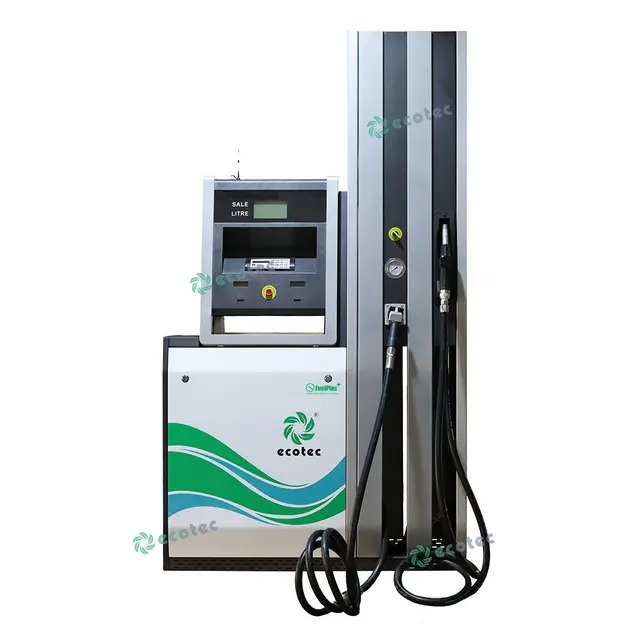
Fuel dispensers offer a unique chance to showcase your gas station’s brand right at the point of sale. Customizing dispensers with your logo, colors, and design elements helps create a strong visual identity that customers instantly recognize. When customers see familiar branding on the pumps, it builds trust and reinforces your station’s reputation.
Many modern dispensers come with customizable panels or digital screens. These can be tailored to display your brand’s colors, slogans, or mascots. Using consistent branding across all dispensers creates a professional and cohesive look that sets your station apart from competitors. It also helps attract new customers who associate your brand with quality and reliability.
Besides visual customization, some dispensers allow audio branding or interactive features. For example, branded sounds or voice prompts can enhance the customer experience and make the fueling process more engaging. This kind of sensory branding deepens customer connection and loyalty.
Using Fuel Dispensers for Promotions and Offers
Fuel dispensers serve as powerful marketing tools beyond branding. They provide direct access to customers at a key moment—when they decide how much fuel to buy. Leveraging dispenser displays for promotions or special offers can influence purchasing behavior effectively.
Digital screens on fuel dispensers can show real-time promotions such as discounts, loyalty rewards, or bundled deals. For example, a message might advertise a discount on car washes or snacks inside the station’s convenience store. These timely offers encourage customers to spend more and explore additional services.
Many dispensers support dynamic content, so promotions can be updated instantly to match marketing campaigns or seasonal events. This flexibility makes it easy to test different offers and see which ones drive sales best.
Additionally, fuel dispensers can integrate with loyalty programs. Customers can see their points or rewards status right on the pump, motivating repeat visits. This seamless integration between fueling and rewards builds long-term relationships.
Using dispensers for marketing also reduces reliance on traditional advertising methods, cutting costs while reaching customers directly. It’s a smart way to maximize the value of your existing equipment.
Data Collection and Analysis
Utilizing Fuel Dispenser Technology for Business Insights
Fuel dispensers today are more than just pumps; they’re smart devices gathering valuable data. They track fuel sales, types dispensed, transaction times, and payment methods. This data helps gas station owners understand customer behavior and preferences.
For example, analyzing which fuel grades sell most during certain hours lets you adjust inventory and pricing strategies. You can identify peak times and staff accordingly to improve service. Real-time sales data also helps detect unusual patterns that might signal theft or equipment issues.
Many dispensers integrate with forecourt management systems, collecting data centrally for easy access. This integration supports seamless reporting and quick decision-making. You can generate detailed reports on fuel consumption, revenue, and operational efficiency without manual effort.
Moreover, data from dispensers can feed into customer loyalty programs. Tracking repeat visits and purchase amounts enables personalized offers, boosting retention. Understanding customer trends also guides marketing campaigns more effectively.
Optimizing Fuel Delivery with Data Analytics
Data collected by fuel dispensers isn’t just for sales tracking; it optimizes fuel delivery schedules too. By analyzing consumption trends, stations can predict when to reorder fuel, preventing shortages or overstock.
For instance, if diesel sales spike on weekends, delivery can be timed just before to ensure availability. This avoids emergency orders, which often cost more and disrupt operations. Efficient delivery planning reduces storage costs and minimizes fuel degradation risks.
Advanced analytics can also monitor dispenser performance and maintenance needs. Predictive maintenance based on usage data helps avoid breakdowns and costly downtime. Stations can schedule service during low-traffic periods, maintaining smooth operations.
Furthermore, data-driven insights help optimize pricing strategies. By studying competitor prices and sales volumes, stations can adjust fuel prices dynamically to stay competitive and maximize profits.
Incorporating data analytics into fuel management leads to smarter inventory control, improved customer satisfaction, and higher profitability. It transforms fuel dispensers into powerful tools for business growth.
Tip: Leverage fuel dispenser data and analytics to forecast fuel demand accurately, schedule timely deliveries, and tailor marketing efforts for increased profitability and operational efficiency.
Conclusion
Fuel dispensers enhance customer experience by providing convenience and efficiency, reducing wait times, and ensuring accurate fuel dispensing. Their safety features and environmental compliance are crucial for modern operations. As technology advances, fuel dispensers will continue to evolve, offering smarter data collection and analysis capabilities. Zhejiang Ecotec Energy Equipment offers innovative dispensers that maximize operational efficiency and customer satisfaction. Their products are designed for durability, accuracy, and ease of use, providing significant value to gas station operators.
FAQ
Q: What is a Fuel Dispenser?
A: A Fuel Dispenser is a device at gas stations used to pump fuel into vehicles, featuring advanced technology for accurate measurement and efficient service.
Q: How do Fuel Dispensers enhance customer experience?
A: Fuel Dispensers improve customer experience by offering quick, user-friendly refueling with features like digital displays, contactless payments, and clear pricing.
Q: Why are Fuel Dispensers important for gas station efficiency?
A: Fuel Dispensers increase efficiency by reducing wait times, supporting multiple vehicles simultaneously, and integrating with automated payment systems.
Q: What safety features do modern Fuel Dispensers have?
A: Modern Fuel Dispensers include automatic shut-off valves, leak detection systems, and vapor recovery to ensure safety and environmental compliance.


