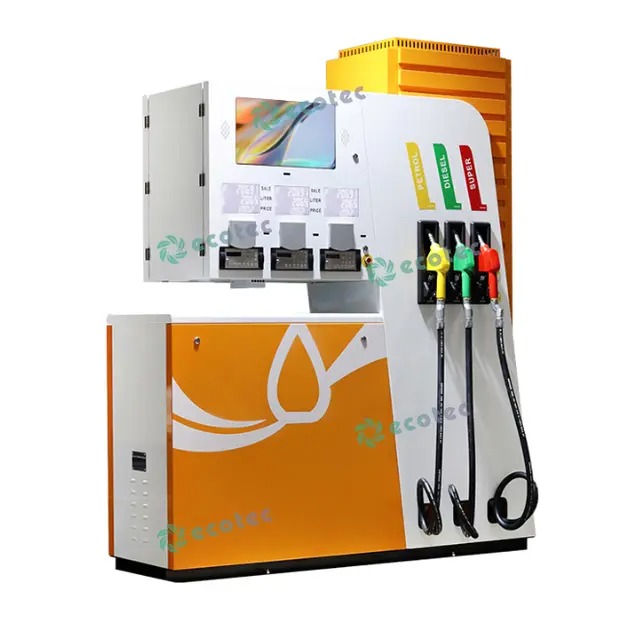
Ever wonder how liquefied petroleum gas (LPG) is efficiently stored and transported? The answer lies in the LPG gas compressor. This essential device plays a critical role across industries by compressing LPG, making it easier to handle and use. In this post, you'll learn what an LPG gas compressor is and why it's vital in various sectors.
Understanding LPG Gas Compressor
Definition and Working Principles
An LPG gas compressor is a mechanical device designed to increase the pressure of liquefied petroleum gas (LPG). LPG mainly consists of propane and butane, which exist as gases at normal temperature and pressure but turn into liquid when compressed or cooled. The compressor raises the pressure of LPG vapor, making it easier to store, transport, or use in various processes.
The working principle is straightforward: the compressor uses mechanical energy to reduce the volume of LPG gas, increasing its pressure. This compression often raises the gas temperature, so cooling systems are necessary to keep the LPG from liquefying inside the compressor, which could damage the equipment. Compressors may also help vaporize liquid LPG for use by extracting or circulating gas.
Types of LPG Compressors
LPG compressors come in several types, each suited for specific applications:
Reciprocating Compressors: These use pistons moving back and forth inside cylinders to compress the gas. They can handle high pressures and offer precise control. They are common in LPG filling stations and storage facilities. However, they have many moving parts and require regular maintenance.
Rotary Screw Compressors: These use two interlocking screws that rotate to compress the gas continuously. They operate smoothly with less vibration and noise and need less maintenance. They are ideal for continuous and stable gas supply, commonly used in industrial LPG systems.
Centrifugal Compressors: These use high-speed rotating impellers to increase gas pressure through centrifugal force. They handle large volumes of gas efficiently and are used in big processing plants or storage stations. While compact and smooth-running, their efficiency can drop under partial loads.
Liquid Ring Compressors: These use a rotating liquid ring inside the compression chamber to compress gas. They are good for gases containing liquids or particles and produce cooler exhaust gas. Sometimes used in special LPG processes.
Each type has unique advantages. For example, reciprocating compressors are best for high-pressure needs, rotary screws for steady flow, and centrifugal for large volume. Choosing the right type depends on the specific requirements of pressure, flow rate, and application environment.
Advantages of LPG Gas Compressor
Efficiency in storage and transportation
LPG gas compressors play a vital role in making LPG storage and transportation highly efficient. LPG, in its gaseous state, occupies a large volume. Compressors increase pressure, turning gas into liquid, which takes up much less space. This liquefaction allows for compact storage in tanks and cylinders, reducing the size and cost of storage facilities.
When transporting LPG, compressors help by pressurizing the gas to keep it in liquid form. This means trucks, ships, and pipelines can carry more energy in less space, lowering transportation costs significantly. For example, one liter of liquid LPG can produce about 250 liters of gas at normal conditions. Without compressors, transporting LPG as gas would be impractical and expensive.
Moreover, compressors improve the loading and unloading processes. They create the pressure differences needed to move LPG between containers safely and quickly. This speeds up operations at filling stations and terminals, reducing downtime and labor costs. Efficient compression also minimizes LPG losses during transfer, preserving product quality and quantity.
Role in reducing environmental impact
LPG compressors contribute to environmental protection in several ways. By enabling the efficient liquefaction and transport of LPG, they reduce the need for excessive fuel consumption during distribution. This means fewer greenhouse gas emissions compared to less efficient methods.
Additionally, compressors support the recovery and recycling of LPG vapors that would otherwise escape into the atmosphere. Vapor recovery systems use compressors to capture and compress these gases, preventing air pollution and reducing waste. This is especially important in refineries, chemical plants, and LPG filling stations, where vapor losses can be significant.
Advanced compressors also incorporate energy-saving technologies such as variable frequency drives (VFDs), which adjust compressor speed based on demand. This reduces electricity use and carbon footprint. Heat generated during compression can be recycled for other processes, further enhancing energy efficiency.
By maintaining stable pressure and flow, compressors ensure LPG burns cleaner in industrial and domestic applications. This helps lower emissions of harmful pollutants like carbon monoxide and particulate matter, supporting cleaner air quality.
Applications of LPG Gas Compressor
LPG gas compressors have a wide range of applications across various sectors. Their ability to efficiently compress and pressurize liquefied petroleum gas makes them essential in industrial, domestic, and vehicle fueling contexts.
Industrial Applications
In industries like petrochemical, oil and gas, and manufacturing, LPG compressors play a crucial role. They help maintain consistent gas pressure for processes such as heating, fuel supply, and chemical reactions. For example, in petrochemical plants, LPG acts as a feedstock, and compressors ensure steady delivery to reactors. In oil and gas fields, compressors assist in recovering associated gas and pressurizing LPG for transport or storage. Manufacturing units use LPG compressors to supply fuel for boilers and kilns, ensuring smooth and efficient operations.
Domestic Applications
At the domestic level, LPG is commonly used for cooking and heating. Compressors ensure a steady supply of LPG to households by transferring gas from large storage tanks to smaller cylinders safely and efficiently. This steady supply prevents interruptions and maintains consistent pressure, making cooking and heating reliable. LPG compressors also facilitate the safe filling of residential cylinders at distribution centers, speeding up the process while minimizing gas loss and leakage.
Vehicle Fueling Stations
LPG is an eco-friendly alternative fuel for vehicles. At LPG fueling stations, compressors pressurize LPG vapor from storage tanks to fill vehicle fuel tanks quickly and safely. They create the necessary pressure difference to transfer LPG in liquid form, speeding up refueling and reducing vapor loss. Additionally, some compressors recover vapor generated during refueling, improving safety and reducing emissions. This application supports the growing adoption of LPG-powered vehicles, which produce fewer emissions than gasoline or diesel engines.
Choosing the Right LPG Gas Compressor
Selecting the right LPG gas compressor is crucial for ensuring efficient, safe, and cost-effective operation. Several key factors must be considered to match the compressor to your specific needs.
Capacity and Flow Rate Considerations
The compressor must handle the required volume of LPG gas reliably. Capacity refers to how much gas the compressor can process per unit time, usually measured in cubic meters per minute (m³/min). Flow rate requirements vary depending on the application—industrial plants may need large volumes continuously, while smaller domestic or vehicle fueling stations require lower flow rates.
Choosing a compressor with insufficient capacity can lead to operational bottlenecks, while oversizing increases costs and energy consumption. Consider peak demand periods and ensure the compressor can operate efficiently across the expected load range. Variable capacity compressors or those equipped with variable frequency drives (VFDs) offer flexibility by adjusting output based on real-time demand.
Energy Efficiency and Environmental Factors
Energy consumption is a significant cost driver in compressor operation. Selecting an energy-efficient compressor reduces electricity use and lowers operating expenses. Look for models featuring energy-saving technologies like VFDs, which adjust motor speed to match load, minimizing wasted power.
Additionally, compressors designed to recover and reuse heat generated during compression can improve overall system efficiency. Pay attention to environmental factors such as noise levels and emissions. Low-noise compressors improve workplace conditions, especially near residential areas or offices.
Environmental regulations may require compressors to have minimal leakage and vapor recovery systems to prevent LPG emissions. Choosing compressors with advanced sealing technologies helps reduce leaks, protecting both the environment and workplace safety.
Safety Features and Maintenance
Safety is paramount when handling LPG due to its flammability and explosive potential. The right compressor must include robust safety features such as:
Pressure Relief Valves: Prevent overpressure situations by releasing excess gas safely.
Leak Detection Systems: Alert operators to any LPG leaks immediately.
Emergency Shutdown Mechanisms: Automatically stop operation during faults or dangerous conditions.
Explosion-Proof Design: Electrical components and motors should meet explosion-proof standards to prevent ignition.
Maintenance accessibility is another vital consideration. Compressors with modular designs and easy access to components reduce downtime during servicing. Regular maintenance schedules, including lubrication, seal inspection, and valve checks, extend equipment life and maintain safety.
Choosing compressors from reputable manufacturers with strong after-sales support ensures access to spare parts and technical assistance. Training operators on proper use and emergency procedures further enhances safety.
Tip: When selecting an LPG compressor, prioritize models with variable capacity control, energy-efficient features, and comprehensive safety systems to optimize performance and reduce operating risks.

Maintenance and Safety Measures
Importance of Regular Maintenance
Regular maintenance keeps LPG gas compressors running smoothly and safely. Over time, parts wear out, seals may leak, and performance can drop. Routine checks and servicing help catch issues early, preventing costly breakdowns and dangerous failures. Maintenance tasks include inspecting seals, lubricating moving parts, cleaning filters, and checking pressure and temperature sensors. Following the manufacturer’s recommended schedule ensures the compressor stays efficient and reliable.
Neglecting maintenance risks leaks or mechanical failures that could lead to fires or explosions because LPG is highly flammable. Well-maintained compressors also run more efficiently, saving energy and lowering operating costs. For example, worn piston rings can reduce compression efficiency, causing the motor to work harder and consume more power. Replacing these parts on time keeps the compressor in top condition.
Safety Precautions for Handling LPG
Handling LPG requires strict safety measures due to its flammability and potential health hazards. Operators should always wear appropriate personal protective equipment (PPE), including gloves, safety glasses, and flame-resistant clothing. Proper ventilation in compressor rooms and storage areas prevents gas buildup, reducing explosion risk.
It’s vital to avoid open flames, sparks, or smoking near LPG equipment. Static electricity can ignite LPG vapors, so grounding and bonding of equipment are necessary. Leak detection systems must be installed and regularly tested to alert personnel immediately if LPG escapes. Emergency shutdown systems should be in place to quickly stop compressor operation during leaks or other dangerous events.
Training employees on LPG handling protocols, emergency response, and equipment operation is essential. Regular drills prepare teams to respond effectively to gas leaks, fires, or mechanical failures. Clear signage and access to fire extinguishers and first aid kits enhance workplace safety.
Future Trends in LPG Gas Compressor Technology
The technology behind LPG gas compressors is evolving fast. These advancements focus on making compressors more efficient, smarter, and eco-friendly.
Advancements in Efficiency
Modern LPG compressors are designed to save energy and operate more efficiently. One key technology is Variable Frequency Drives (VFDs). VFDs adjust the motor speed based on the demand for LPG, avoiding energy waste during low usage. This can reduce energy consumption by up to 30%, which cuts costs and environmental impact.
Engineers are also optimizing compressor parts using computer simulations. This helps reduce internal friction and improves gas flow, making compressors work smoother and consume less power. New materials, like special coatings and polymers, lower wear and tear, extending compressor life and maintaining efficiency.
Heat recovery systems are another trend. Compressors generate heat during operation, which can be captured and reused in other processes. This cascading use of energy further improves overall system efficiency.
Smart Monitoring Systems
Smart technology is transforming how compressors are controlled and maintained. Sensors now monitor temperature, pressure, vibration, and other key parameters in real time. This data feeds into intelligent control systems that automatically adjust compressor operation for optimal performance.
Predictive maintenance is a major benefit. Using machine learning, these systems analyze data trends to predict failures before they happen. This reduces downtime and repair costs. Operators can also monitor compressors remotely via cloud platforms, enabling faster response to issues and better overall management.
Automation also improves safety. Systems can automatically shut down compressors during abnormal conditions, preventing accidents and equipment damage.
Sustainable Practices
Sustainability is becoming central in LPG compressor development. Manufacturers focus on reducing emissions and leakage. Advanced sealing technologies, such as dry gas seals and magnetic seals, minimize gas leaks, protecting the environment and improving safety.
Noise and vibration reduction techniques are also important, especially near residential areas. These improvements create a better working environment and help meet stricter regulations.
There is growing interest in integrating compressors with renewable energy sources like solar or wind power. This reduces the carbon footprint of LPG compression and supports greener energy systems.
Modular and compact designs make installation easier and reduce space requirements. Using corrosion-resistant materials extends equipment life, decreasing waste and replacement frequency.
Conclusion
LPG gas compressors are crucial for efficient storage and transportation, reducing volume and costs. They enhance environmental protection by minimizing emissions and supporting vapor recovery. Future advancements focus on energy efficiency and smart monitoring. Companies like Zhejiang Ecotec Energy Equipment offer innovative LPG compressors that provide significant value through advanced features and reliable performance, ensuring safety and operational excellence in various applications.
FAQ
Q: What is an LPG Gas Compressor?
A: An LPG Gas Compressor is a device that increases the pressure of liquefied petroleum gas, aiding in storage, transportation, and usage by compressing the gas into a liquid form.
Q: How does an LPG Gas Compressor benefit transportation?
A: LPG Gas Compressors pressurize LPG into liquid form, allowing for more efficient storage and transport, reducing space and costs.
Q: Why is regular maintenance important for LPG Gas Compressors?
A: Regular maintenance ensures efficiency, prevents leaks, and avoids failures, crucial for safe LPG handling due to its flammability.


