
Views: 0 Author: Site Editor Publish Time: 2026-10-18 Origin: Site


A nozzle boot serves as much more than a simple resting place for your dispensing equipment. It acts as a critical interface protecting high-value components from daily abuse. Furthermore, this essential housing reliably triggers dispenser activation while preventing hazardous fuel spills. Petroleum operators and fleet managers constantly deal with harsh operational realities. Frequent drops, aggressive impacts, and severe weather quickly degrade substandard boots. Such degradation directly leads to a damaged fuel nozzle and triggers severe compliance violations.
This guide provides a comprehensive technical framework for evaluating and selecting the right equipment. We analyze material durability, precise dispenser compatibility, and specific application environments. You will learn how to match equipment perfectly to your station’s unique demands. By understanding these mechanical nuances, you can safeguard your forecourt assets effectively. We aim to help you keep operations running smoothly while maximizing equipment lifespan.
Material Dictates Lifespan: Cast aluminum outlasts heavy-duty plastics in high-volume settings, offsetting its higher initial cost through reduced replacement frequency.
Switch Integration is Critical: A compatible boot must seamlessly engage the dispenser’s micro-switch to ensure safe pump activation and deactivation.
Application Specificity Matters: Commercial retail stations require different ergonomic and regulatory standards compared to rugged industrial or agricultural fuel setups.
Proactive Maintenance Reduces Costs: Regular inspection of the boot prevents costly damage to the fuel nozzle and adjacent fuel hose assemblies.
Substandard equipment quietly drains your revenue over time. A cracked or malfunctioning nozzle boot initiates a chain reaction of costly equipment failures. When you ignore minor wear, major components suffer almost immediately. Operators often view the boot as a passive piece of plastic or metal. However, it functions as a highly active safety restraint. Failing to secure this restraint properly exposes your entire dispensing system to severe mechanical stress.
Poor fitment causes users to drop the nozzle accidentally. These heavy impacts result in bent spouts and damaged automatic shut-off sensors. The sudden physical stress also compromises vital connections on the fuel hose. A loose boot allows the hose to hang at unnatural angles. This improper hanging adds immense strain to the swivel joints and breakaway valves. You face expensive repairs when these interconnected parts inevitably fail.
Safety risks escalate quickly when you deploy degraded equipment. A failing boot cannot secure the dispensing hardware properly. This looseness leads directly to dangerous fuel drips on your forecourt. It also allows undetected vapor leaks to escape into the atmosphere. Furthermore, a poor physical connection prevents proper static electricity grounding. Static buildup presents a massive fire hazard during fueling operations. Regulators will issue heavy fines if they discover compromised equipment during routine inspections.
Consider the immediate business impact of damaged equipment. Out-of-order pumps directly reduce your daily fuel throughput. Customers drive away when they see broken dispensers or bagged nozzles. You lose immediate revenue and permanently damage your brand reputation. Fixing a broken switch or replacing a snapped holder takes time. You must wait for parts to arrive and dispatch maintenance crews. This downtime costs significantly more than investing in high-quality housing upfront.
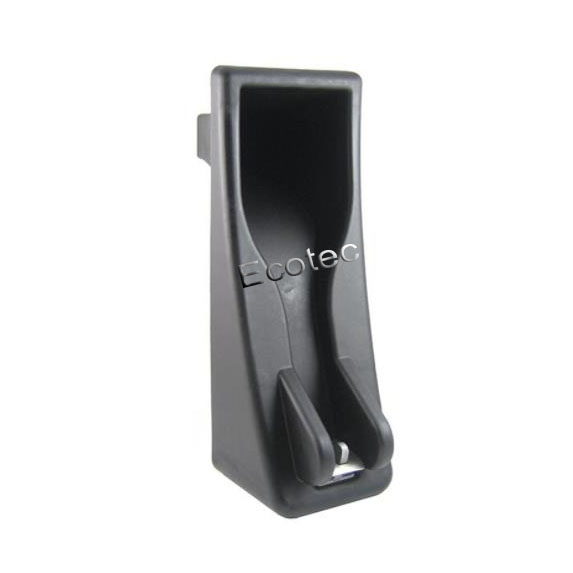
Selecting the right hardware requires careful technical evaluation. You cannot simply buy the cheapest option available. We must examine material properties, mechanical switch interactions, and exact dimensional sizing.
Manufacturers typically build these components from two main materials. They use either die-cast aluminum or UV-stabilized heavy-duty polymers. Each material offers distinct advantages depending on your regional climate.
Die-cast aluminum provides exceptional impact resistance. It survives aggressive mishandling by frustrated drivers. Aluminum will not shatter during freezing winter conditions. However, heavy impacts can cause metal fatigue over several years. UV-stabilized polymers offer excellent resistance to harsh sunlight. They prevent surface scratching on your expensive nozzles. Unfortunately, cheaper plastics often warp in extreme desert heat. They can also become highly brittle and crack in sub-zero temperatures.
Table 1: Material Comparison for Nozzle Boots
| Material Type | Impact Resistance | Temperature Tolerance | Best Use Case |
|---|---|---|---|
| Die-Cast Aluminum | Very High | Excellent in freezing conditions | High-volume truck stops |
| Heavy-Duty Polymer | Moderate | Good in moderate climates | Standard retail stations |
| UV-Stabilized Plastic | Low to Moderate | Prone to warping in extreme heat | Low-volume agricultural setups |
The interaction between the housing and the dispenser is mechanically critical. You must understand how these parts communicate. The boot physically engages the internal micro-switch or flapper mechanism. Lifting the nozzle releases the switch to start the pump. Replacing the nozzle depresses the switch to terminate the transaction safely.
Incorrect tolerances create massive operational headaches. A poorly fitted boot might fail to depress the switch fully. This failure leaves the pump active, creating a severe spill hazard. Conversely, a tight boot might trigger false starts. The pump controller receives confusing signals, leading to system errors. You must ensure the lifting lever mechanism aligns perfectly with your specific dispenser model.
Universal fit remains a persistent industry myth. You cannot expect one size to accommodate every dispensing profile perfectly. Standard flow profiles require vastly different dimensions than high-flow diesel setups. A high-flow spout is thicker and heavier. It requires a deeper cradle and stronger retaining clips. If you force a large spout into a small housing, you will break the auto shut-off mechanism. Always measure your existing hardware before ordering replacements. Match the housing dimensions exactly to your specific equipment profiles.
Your operating environment dictates your equipment needs completely. A busy highway station requires different features than a remote farm tank. We must categorize these environments to make informed purchasing decisions.
Commercial Retail Gas Stations: Retail environments demand a balance of durability and aesthetics. You must focus on ergonomics for everyday consumers. Customers appreciate smooth, easy-to-use equipment. Aesthetic longevity also matters greatly here. Faded or cracked plastics make your station look neglected. Furthermore, you must ensure strict compliance with current retail dispensing standards. High-frequency usage means these parts endure hundreds of cycles daily.
Industrial and Fleet Terminals: Fleet terminals present a much harsher environment. Professional drivers prioritize speed over gentle handling. You must focus entirely on ruggedness here. These sites utilize heavier high-flow nozzles. The housing must support this extra weight without sagging. Additionally, industrial sites expose equipment to harsh chemicals and heavy physical impacts. Die-cast aluminum usually performs best in these aggressive settings.
Agricultural and Mobile Transfer Tanks: Agricultural setups face unique environmental challenges. These sites suffer from extreme weather exposure year-round. Dust ingress presents a massive problem for internal switches. Mobile transfer tanks also generate intense vibrations during transit. You must select specialized fuel dispenser accessories designed to withstand constant shaking. The housing needs heavy-duty latches to secure the equipment tightly while driving across rough terrain.
Regulatory compliance is non-negotiable in the petroleum industry. Operating uncertified equipment exposes you to immense legal liability. You must understand the baseline standards governing your region.
Baseline industry standards dictate the safe housing of dispensing equipment. In North America, Underwriters Laboratories (UL) sets the primary testing criteria. In Europe, the ATEX directive governs equipment used in explosive atmospheres. These organizations subject parts to rigorous drop tests and flammability assessments. They ensure the plastics will not easily ignite. They verify the metals will not spark dangerously upon impact. Always look for the official certification stamps on the product body.
Static electricity represents an invisible but deadly threat. The nozzle boot plays a surprisingly vital role in static dissipation. It helps maintain the continuous grounding path. This path travels from the nozzle, through the housing, and into the grounded dispenser panel. If you install an improperly coated or isolated boot, you break this vital circuit. A broken grounding path allows static charges to accumulate on the driver or the equipment. A single spark can ignite fumes instantly.
Never rely solely on verbal vendor claims regarding material compliance. Sales representatives might promise universal compatibility and complete safety. You must demand hard evidence. Advise your procurement team to request official manufacturer specification sheets. Review the exact alloy compositions or polymer grades. Check the certification testing reports. This evidence-oriented approach protects your business from catastrophic liability.
Proper installation and routine maintenance determine the actual lifespan of your equipment. Even the highest-quality aluminum housing will fail if installed incorrectly. We need a systematic approach to ongoing care.
Retrofitting a new unit onto an existing dispenser panel requires mechanical precision. You cannot simply force bolts into misaligned holes. Outline the exact steps before beginning the installation. First, disconnect all power to the dispenser to ensure safety. Next, carefully align the new bolt patterns with the existing panel layout. If the holes do not match, do not drill into the dispenser indiscriminately. You risk damaging sensitive internal switch wiring or vapor recovery lines. Use appropriate adapter plates if necessary. Finally, test the mechanical lever action several times before restoring power.
You must implement a transparent, verifiable maintenance checklist. Do not wait for equipment to break before inspecting it. Train your station attendants to perform quick daily checks.
Check for Micro-Cracks: Inspect plastic bodies for spiderweb cracks near the mounting bolts.
Test Switch Engagement: Listen for the distinct "click" of the internal micro-switch when lifting the lever.
Clean Debris: Remove dirt, ice, or insect nests from the cradle to ensure proper seating.
Verify Tightness: Gently wiggle the housing to ensure the mounting bolts remain securely fastened.
Establish clear threshold criteria for mandatory replacement. You must avoid catastrophic failure during active fueling. Replace aluminum units immediately if you spot visible metal fatigue or deep stress fractures. Replace polymer units if they show severe sun-bleaching or warping. Pay close attention to the mechanical switch mechanism. If the lifting lever loses its spring tension, it will fail to deactivate the pump reliably. Swap out the entire assembly the moment you notice sloppy lever action.
The nozzle boot functions as an active safety component, not just a passive accessory. It protects your critical dispensing investments while ensuring a safe environment for your customers. Substandard hardware directly leads to bent spouts, damaged hoses, and dangerous fuel spills.
We advise operators to audit their current dispenser setups immediately. Track the historical failure rates of your current equipment. If you notice frequent replacements, prioritize material upgrades for your high-traffic pumps. Upgrading to die-cast aluminum often solves recurring breakage issues at busy truck stops.
Take proactive action today to secure your forecourt. Consult your dispenser manufacturer's exact compatibility charts. Reach out to a certified parts distributor with your specific fuel nozzle and pump model numbers. By demanding exact-match replacements, you guarantee optimal switch actuation, eliminate false starts, and dramatically improve overall station safety.
A: No, universal models are a dangerous myth. They often require physical modification during installation. Modifying the housing frequently compromises the delicate micro-switch engagement. This leads to pump activation failures or dangerous fuel spills. We strongly recommend purchasing OEM units or exact-match aftermarket boots designed specifically for your dispenser model.
A: It depends entirely on your environment. Die-cast aluminum offers superior impact resistance, making it essential for heavy commercial and industrial use. Conversely, high-grade UV-stabilized plastics prevent scratching the nozzle spout. They are highly cost-effective and perform exceptionally well for standard, lower-volume retail stations.
A: A loose or broken boot cannot hold the equipment securely. This failure forces the hose to bear excessive weight. The hose hangs at an unnatural, stressed angle. This constant tension accelerates severe wear on the hose swivel, the breakaway valve, and critical threaded fittings.
A: You likely have a failure in the mechanical communication. Troubleshoot the physical connection between the lifting mechanism and the internal dispenser switch. Worn, bent, or heavily degraded boot components are the primary culprits. They fail to release the switch fully, keeping the pump inactive.


