
Views: 0 Author: Site Editor Publish Time: 2026-10-15 Origin: Site


Pinpointing the exact fuel hose specification marks the critical final step in finalizing your fluid transfer system. You simply cannot afford to overlook these details. Selecting incorrect specifications routinely causes severe pressure drops and dangerous flow restrictions. In worst-case scenarios, it leads to catastrophic material degradation. Modern fuels contain aggressive additives. They easily destroy improper lining materials. Operators frequently suffer unexpected system failures. They often underestimate the complex chemical makeup of their dispensed fluids.
This guide solves those exact problems. Our objective is to provide a concrete, criteria-driven framework for your next project. You will learn how to properly evaluate and select the correct fuel hose. We base this framework on specific flow requirements, physical length restrictions, and non-negotiable chemical compatibility. By understanding these foundational principles, you guarantee peak efficiency. You also ensure optimal safety for your entire equipment infrastructure.
Inner Diameter (ID) dictates flow capacity: Undersizing causes fuel starvation and pump cavitation; oversizing adds unnecessary weight and cost.
Length impacts pressure: Longer hose runs require specific pressure-drop calculations to maintain system efficiency at the delivery point.
Material compatibility is non-negotiable: Modern fuel blends (like E85 or biodiesel) require specific synthetic linings (e.g., PTFE or specialized NBR) to prevent permeation and breakdown.
Hardware integration defines safety: A hose must perfectly integrate with the required coupling and swivel, breakaway valves, and the final fuel nozzle to ensure compliance and prevent leaks.
Environmental factors dictate your outer physical requirements completely. Temperature extremes harden standard rubber quickly. Routing bends introduce mechanical stress continuously. Exposure to abrasives tears through outer jackets over time. You must acknowledge these harsh realities early in the planning phase. A rugged operating environment demands a highly reinforced exterior layer. Ignoring the physical environment guarantees premature equipment failure.
Incorrect selection produces immediate, visible symptoms across your setup. You must monitor your equipment for these common failure modes:
Vapor Lock: Ambient heat boils the fluid prematurely. It traps stubborn gas bubbles inside the line.
Hose Weeping: Microscopic permeation occurs through the outer wall. You will smell fuel before you see it.
Interior Flaking: Degraded lining breaks off into the fluid stream. These rigid flakes clog downstream filters rapidly.
System pressure drops unexpectedly when these failures occur. You face expensive, immediate repairs if you ignore these critical warnings.
You cannot rely on unverified manufacturer claims for safety. Industry certifications guarantee vital baseline safety metrics. Look for the SAE J30 standard for automotive applications. Seek UL330 certification for commercial dispensing operations. These rigorous regulatory frameworks require strict physical testing. They confirm maximum burst pressure limits and extreme chemical resistance. Certified products protect your business from catastrophic liability and environmental fines.
You must match the inner diameter directly to your pump. The pump output determines your primary baseline requirement. An undersized ID restricts the fluid path aggressively. The pump struggles against this artificial resistance. It draws excess amperage and overheats quickly. Over time, you face premature pump failure.
Velocity and volume share a highly delicate relationship. High volume demands a larger internal cavity. However, fuel velocity drops if the ID becomes too large. Low velocity allows dangerous particulates to settle inside the line. These settled particles create stubborn blockages over time. You need a balanced ID to maintain steady fluid velocity. This balance ensures optimal performance at peak demand.
Navigating standard sizes requires precise attention to detail. Fractional sizes use standard inches universally. You will often see common sizes like 3/8-inch or 1/2-inch. Performance industries use the AN sizing convention instead. The AN system uses a dash followed by a specific number. This number represents sixteenths of an inch. An AN -8 hose equals 8/16, or a 1/2-inch ID.
| AN Size | Fractional ID (Inches) | Typical Flow Capacity (GPH) |
|---|---|---|
| AN -6 | 3/8" | Up to 350 |
| AN -8 | 1/2" | Up to 700 |
| AN -10 | 5/8" | Up to 1,000 |
Fluid friction against the inner wall decreases terminal pressure. Longer runs generate significantly more friction. This physical resistance slows the fluid down continuously. You lose valuable pressure before the fluid reaches its final destination. Engineers calculate this pressure drop beforehand. They adjust the surrounding system parameters accordingly.
Bend radii heavily influence your layout constraints. Shorter routing runs are always better for system efficiency. However, physical obstacles often require tight bends. Tight kinks cause immediate flow restrictions. They also weaken the structural integrity of the outer wall. Always respect the manufacturer’s minimum bend radius guidelines strictly.
Exceptionally long routing requirements demand strategic physical adjustments. You must increase the hose diameter to compensate for the distance. A larger diameter reduces internal friction significantly. It restores the terminal pressure at the final delivery point. This crucial adjustment keeps your downstream equipment running smoothly.
Follow these standard steps when calculating system dimensions:
Identify the absolute maximum output of your system pump.
Calculate the required fluid velocity to prevent particulate settling.
Measure the total physical routing distance between all components.
Factor in the required bend radii for your specific installation space.
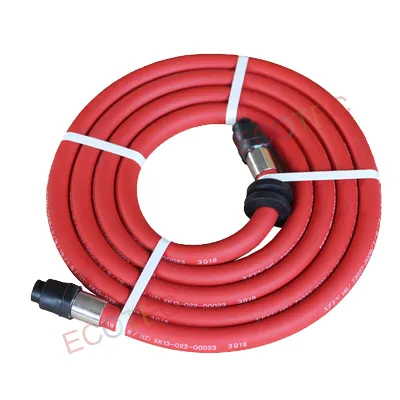
Traditional hydrocarbon transfer requires durable, specific materials. Nitrile (NBR) and Neoprene dominate standard applications. These compounds handle non-blended gasoline easily. They also resist degradation from standard diesel fuels. NBR provides excellent flexibility during cold weather installations. However, these traditional rubbers fail rapidly when exposed to modern synthetic blends.
High-alcohol fuels degrade standard rubber aggressively. Ethanol strips the essential protective oils inside standard rubber linings. This chemical process causes the material to dry out completely. The hose will eventually collapse or leak fuel. Permeation creates strong fuel odors around your equipment.
Teflon (PTFE) lined hoses provide the ultimate industry solution. PTFE remains completely immune to harsh aggressive fuels. It prevents all chemical permeation inherently. This immunity eliminates dangerous fuel odors entirely. PTFE offers lower physical flexibility than traditional rubber. You must plan your routing paths carefully to accommodate this stiffness.
Biodiesel introduces entirely different chemical challenges. Certain biodiesel blends contain highly corrosive biological esters. These esters attack standard synthetic rubber quickly. You must utilize fluoroelastomer materials for these specific applications. FKM or Viton linings handle biodiesel seamlessly. They prevent the internal swelling caused by biological esters. This protection ensures long-term reliability for heavy-duty commercial fleets.
| Lining Material | Compatible Fuels | Primary Advantages | Common Limitations |
|---|---|---|---|
| Nitrile (NBR) | Standard Gasoline, Diesel | Highly flexible, cost-effective | Degrades quickly from high ethanol |
| PTFE (Teflon) | E85, Methanol, Race Fuels | Zero permeation, chemical immunity | Stiff routing, requires specific fittings |
| Fluoroelastomer (FKM/Viton) | Biodiesel (B20-B100) | Resists corrosive biological esters | Higher upfront material expense |
You must evaluate compatibility between lining materials and metallic fittings. Crimped fittings provide permanent, highly secure seals. They withstand extreme operational pressures safely. Reusable fittings allow for convenient field repairs. Thread types matter immensely during the installation process. Straight threads require O-rings for proper fluid sealing. Tapered threads crush together physically to form the seal. Mixing these thread types guarantees dangerous fluid leaks.
Your setup relies heavily on specific hardware additions. Twisting actions destroy internal wire braids quickly. You prevent this physical damage proactively. Install a reliable coupling and swivel at the main connection point. This precise hardware reduces material stress significantly. It also improves user ergonomics during daily dispensing operations.
Drive-off incidents present massive safety hazards globally. Vehicles sometimes pull away while still connected physically. You mitigate this severe risk seamlessly. Integrate an inline breakaway into your main line. This dry-break valve instantly stops fluid flow during sudden tension spikes. It ensures complete site safety under extreme mechanical conditions.
Final delivery relies entirely on the terminal nozzle assembly. The hose’s flow rating must align properly. You ensure weight and pressure limits are appropriately matched to the selected fuel nozzle. This matching guarantees smooth, seamless dispensing. It prevents overwhelming the delicate internal nozzle mechanisms during peak flow.
Cheaper materials often seem appealing initially. Uncertified rubber compounds save money upfront. However, they cost significantly more in recurring maintenance. These inferior materials fail prematurely under standard stress. Early replacement cycles consume your operational budget quickly. Unexpected downtime halts your operations entirely. You must prioritize long-term durability over immediate savings. High-quality materials prevent unexpected operational disruptions. They keep your business running smoothly year after year.
Routing different materials presents unique physical challenges. Stiff PTFE hoses resist tight corners stubbornly. They require precise planning during the installation phase. Flexible rubber offers easier routing through complex physical spaces. However, rubber lacks the extreme chemical resistance of PTFE entirely. You must factor installation labor into your final decision. Complex installations require highly skilled technicians. These specific labor hours add to your initial project expenses.
Selecting the right supplier ensures continuous reliability. You must look for specific vendor qualifications. Demand traceable material data sheets from every supplier. These official documents verify the exact chemical composition. Review their warranty terms clearly before purchasing anything. Ask for physical pressure-testing verification directly. Reliable vendors test their products rigorously. They stand behind their manufacturing processes completely.
Selection requires a careful, continuous balance. You need the proper internal diameter for optimal fluid flow. You must choose the right lining material for extreme chemical resistance. Finally, you integrate specific safety hardware for overall system integrity. Each factor relies heavily on the others. Missing just one element compromises the entire fluid transfer network.
Take immediate action before purchasing your equipment. First, calculate your exact maximum flow requirements accurately. Second, verify the specific chemical blends of your intended fuels. Third, map out your physical routing paths carefully. Shortlist specific models based on these hard numbers. Finally, request detailed quotes from fully certified suppliers to guarantee safety.
A: An undersized diameter restricts fluid flow significantly. This creates severe strain on your system. Your pump works harder to push fluid. This effort often leads to pump cavitation. Eventually, the restriction causes complete fuel starvation at the delivery point. Equipment performance drops immediately under load.
A: No. Standard rubber degrades quickly when exposed to high-alcohol fuels. Ethanol strips the protective oils inside standard rubber. This process causes the material to dry out. The hose will eventually collapse or leak. You must use PTFE or highly rated CPE materials for E85.
A: Industry guidelines recommend replacing commercial hoses every one to three years. Usage cycles and environmental conditions dictate the exact timeline. You should inspect the exterior weekly. Look for cracking, weeping, or abnormal stiffness. High UV exposure accelerates degradation significantly.
A: Yes. Regulatory and safety standards mandate these components in commercial environments. A swivel reduces physical stress on the assembly. The breakaway prevents catastrophic spills during drive-off incidents. These hardware pieces protect your infrastructure from severe mechanical damage.


